




The Decade of Curated Minimalism
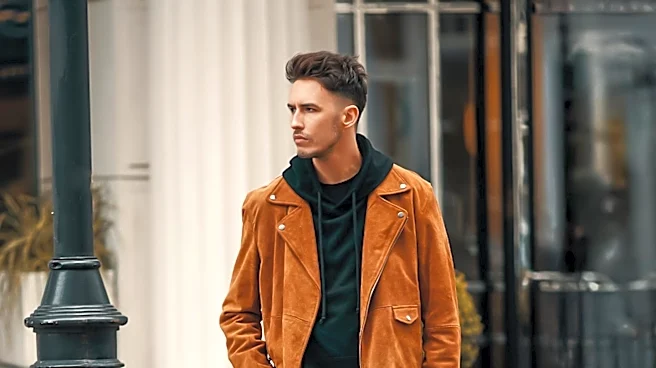
To understand Emily Cooper’s riot of color and pattern, you first have to remember the 2010s. It was the era of millennial pink, the direct-to-consumer brand, and the perfectly curated Instagram grid. Fashion was defined by a kind of tasteful restraint.
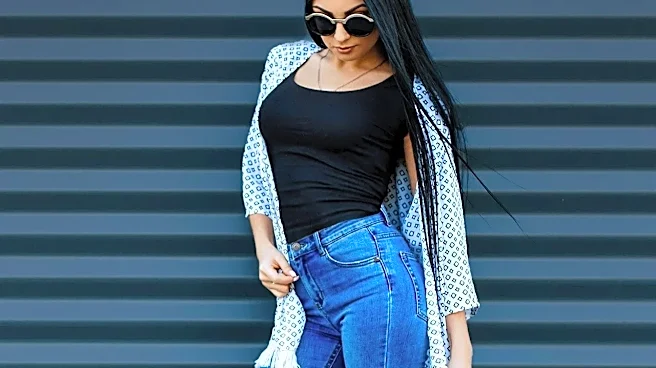
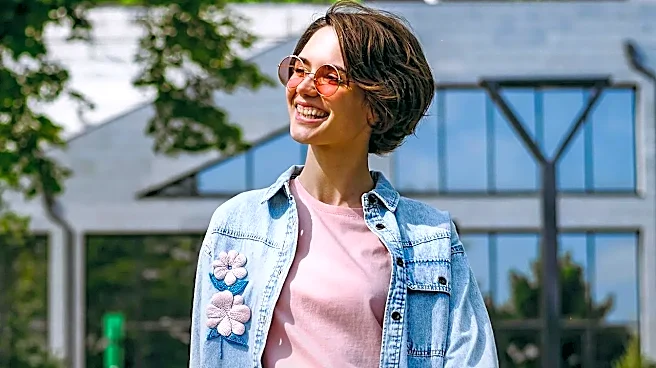
Think skinny jeans, simple ankle boots, muted color palettes, and the rise of “normcore,” a trend that embraced the comfort of the mundane. Athleisure made it acceptable to wear workout gear everywhere, further prioritizing function over flourish. It was a look optimized for the digital age: clean, photogenic, and easily replicable. This aesthetic of less-is-more dominated, from our closets to our living rooms, creating a visual language of sophisticated, understated cool that was beautiful but also, for some, a bit boring.
Enter Emily: A Maximalist Explosion
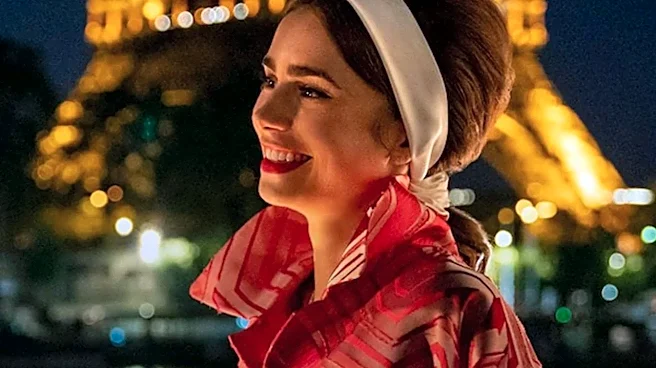
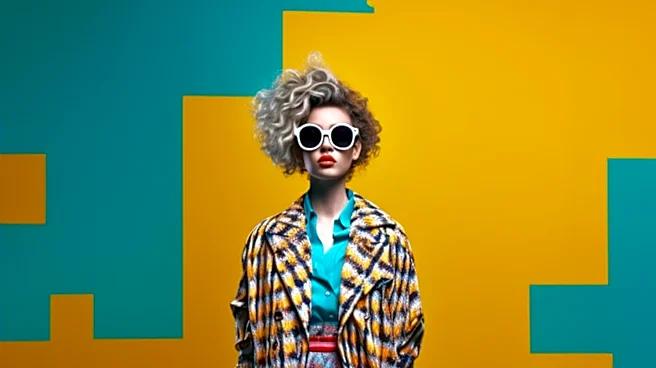
Then came Emily, a character whose wardrobe seemed to exist in a different universe. Clashing prints, neon colors, bold accessories, and a flagrant disregard for the rule that you should take one thing off before leaving the house became her signature. Her style is pure maximalism, an aesthetic built on the philosophy of "more is more." This wasn't just a quirky character trait; it was a visual declaration of war on the quiet luxury and sameness of the previous decade. Where the 2010s whispered, Emily shouted. Her arrival in Paris, dressed in bright, optimistic, and unapologetically American outfits, immediately set her apart from the chic, understated black-clad Parisians. This contrast was the show's central visual thesis: a clash of cultures, yes, but also a clash of fashion philosophies.
A Deliberate Rejection of ‘Good Taste’
The masterminds behind this vibrant chaos were legendary costume designer Patricia Field (of 'Sex and the City' fame) and Marylin Fitoussi. Their approach was intentional. Fitoussi has gone on record with a motto that perfectly captures the show's spirit: “Too much good taste is boring.” They aimed to give people the freedom to mix polka dots with stripes, to throw colors together, and to have fun with clothes again. Field, for her part, has often spoken about creating “happy clothes” and using color to catch the eye. They saw Emily's wardrobe as a reflection of her optimistic, and perhaps naive, American personality. While her French colleagues embodied a timeless, minimalist elegance, Emily represented a joyful, if sometimes clumsy, expressiveness that had been missing from mainstream style. The clothes weren't just clothes; they were an extension of her character's refusal to blend in.
Color, Chaos, and Character
From a bright yellow blazer paired with a matching skirt and a checked bucket hat to a voluminous red tulle dress, Emily’s outfits are designed to be memorable and, at times, polarizing. The style is intentionally eclectic and theatrical, sometimes referencing fashion history, like the homages to Audrey Hepburn, but always with a modern, over-the-top twist. This approach directly counters the 2010s trend of building a capsule wardrobe with versatile, neutral basics. Emily’s closet is the opposite of a capsule; it's an overflowing treasure chest where every piece is a statement. By embracing what some critics called 'ringarde' or basic, the show’s creators argued that fashion should be about personality and self-expression, not just adhering to a set of approved, tasteful rules. It was a defense of individual, albeit loud, style in a world that had become visually homogenous.