


Casting Characters, Not People
The first step in crafting a reality show isn't turning on the cameras; it's the casting. Producers aren't looking for a random cross-section of America. They are casting for specific, pre-determined roles: the villain, the sweetheart, the strategist,
the comic relief. According to industry insiders, these archetypes are often decided before filming even begins. The goal is to assemble a group of personalities guaranteed to clash, connect, and create the friction necessary for drama. Casting calls often seek “hot, single servers” or “unique couples,” pre-screening for people who fit a desired narrative mold. This isn't about finding real people; it's about finding characters who will reliably perform their assigned part in the unscripted play.
The Invisible Hand of the Story Producer
On set, the narrative is guided by story producers. While reality TV doesn’t have a word-for-word script, it absolutely has a story it needs to tell. Story producers are tasked with making that story happen. Their job is to identify and develop storylines, prepare interview questions designed to elicit specific emotions, and sometimes even set up scenarios to drive the plot forward. A producer might ask a cast member, “Don’t you think it’s unfair that she won?” or “How did it feel when he said that about you?” These leading questions aren't just for information; they are tools to provoke a reaction and build a narrative arc. The story producer is essentially the show's writer, but their script is assembled from the raw material of real people's lives and emotions.
Manufacturing Truth in the Edit Bay
The most significant 'creative' work happens in post-production. Editors and story producers sift through hundreds of hours of footage to construct a 42-minute episode. Here, timelines are compressed, and context is often the first casualty. A reaction shot of someone rolling their eyes could have been from a completely different conversation, but edited in, it creates instant conflict. The most notorious technique is known as “frankenbiting.” This involves stitching together words and phrases from separate sentences or interviews to create a new sentence that was never actually spoken. While sometimes used to make a person's rambling comments more concise, it's also a powerful tool to manufacture drama out of whole cloth. Combined with strategic music and pacing, editors can make anyone a hero or a villain, regardless of what truly happened.
The Emmy Paradox
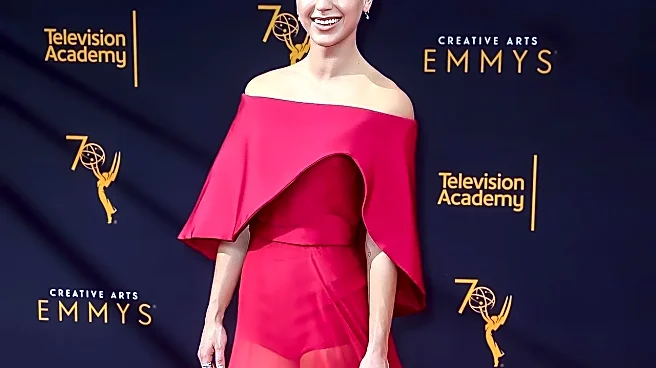
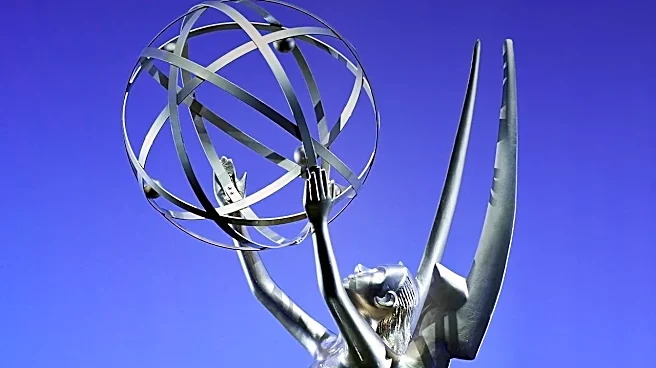
This brings us back to the Emmys. When a show wins for Outstanding Unstructured Reality Program or Outstanding Directing for a Reality Program, the Television Academy isn't rewarding the show for being the most “real.” Instead, it’s recognizing the immense skill it takes to shape chaos into a coherent, compelling, and dramatic story. The awards for editing, casting, and hosting all point to the same thing: an appreciation for the complex production machine that makes these shows so addictive. It's a creative art precisely because it is so heavily crafted. The final product may not be an authentic representation of events, but the process to create that illusion is an art form in itself.