


The Mod Look We Remember
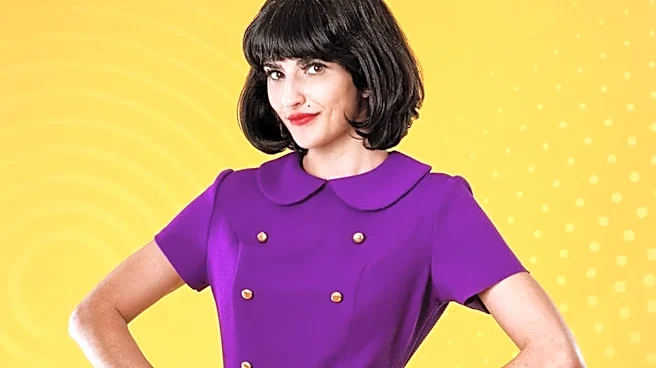
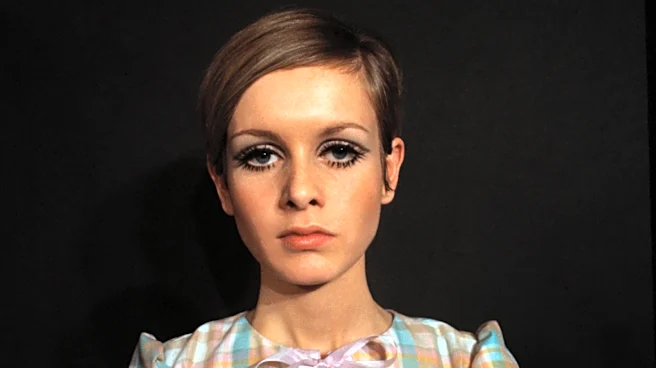
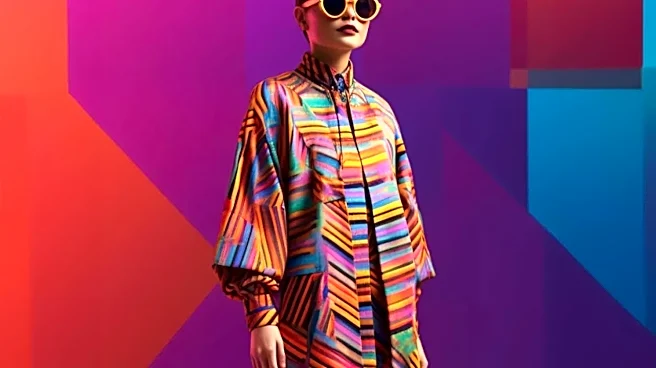
When we think of Mod, we see the '60s exploding in a riot of color and youthful energy. This is the look of Mary Quant's playful, A-line mini-dresses, bold geometric patterns, and PVC raincoats. It’s Twiggy's wide-eyed androgyny and the 'Youthquake' that
sent hemlines soaring and traditions tumbling. This version of Mod, centered around Carnaby Street and televised on shows like Ready Steady Go!, was bright, loud, and quintessentially pop. It was a fashion movement born from commercial success and media amplification, one that rejected the stuffy formalities of the previous generation in favor of a look that was accessible, experimental, and fun.
The Original Continental Code
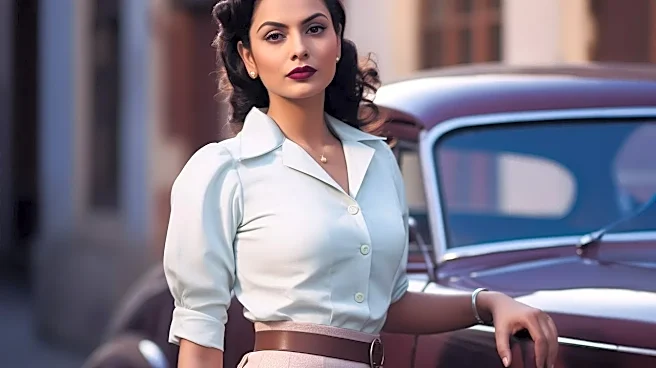
But before the pop explosion, there was a different kind of Mod. The original 'Modernists' of the late 1950s were a small group of working-class men obsessed with something entirely different: sophistication. They rejected the rock-and-roll culture of the Teddy Boys, looking instead to continental Europe for inspiration. Their style was sharp, tailored, and aspirational. They coveted slim-fitting Italian suits with narrow lapels, rode sleek Vespa or Lambretta scooters, and listened to modern jazz. This look wasn't about being playful; it was about appearing worldly, sharp, and upwardly mobile—a deliberate parody of the consumer society they inhabited.
The Surprising Ivy League Influence
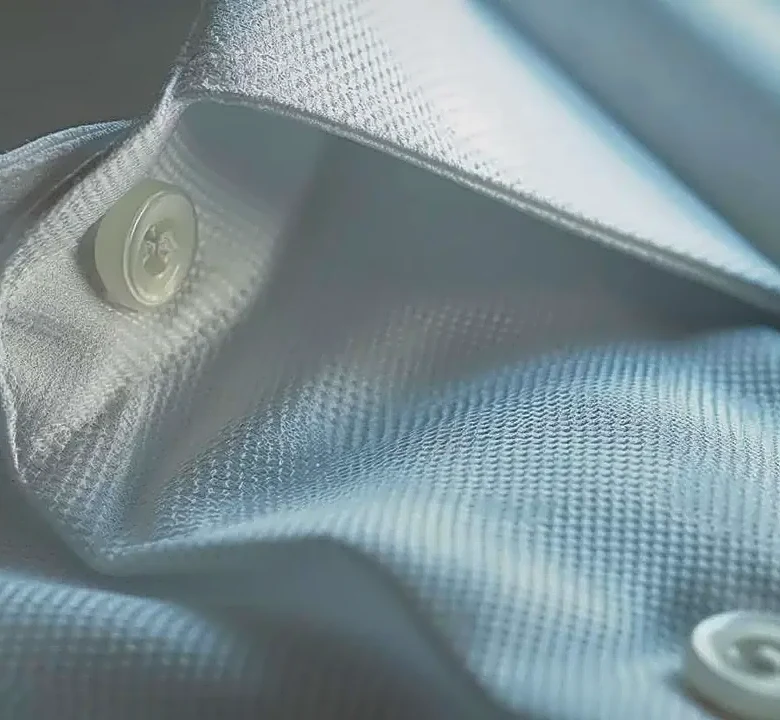
Perhaps the most significant—and surprising—alternative to the pop-art Mod look was the style borrowed from America's elite East Coast universities. The 'Ivy League Look' became a key influence on these early Mods. They watched American jazz musicians like Miles Davis tour Britain and coveted their button-down Oxford shirts from brands like Brooks Brothers, their slim chino pants, and their casual loafers. This style was the antithesis of the later psychedelic prints and plastic jewelry. It was about understated quality: cashmere jumpers, thin ties, and desert boots. This was the “completely different” look that almost defined the subculture—a look rooted in a quiet, masculine coolness that was more about subtle details than loud statements.
How Pop Culture Took Over
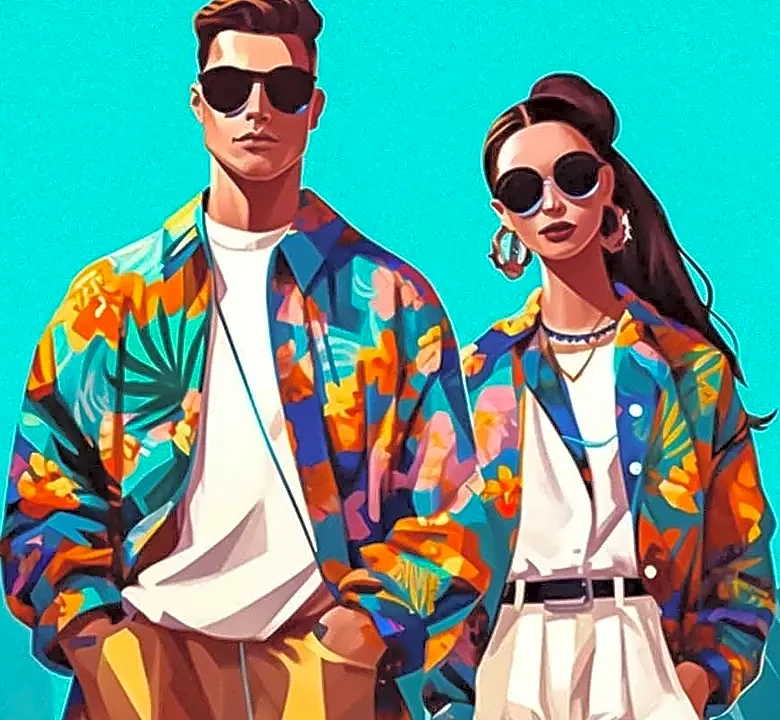
So what changed? In a word: commercialization. As the Mod subculture grew, it became impossible for it to remain a small, detail-obsessed clique. Designers like Mary Quant and John Stephen saw the immense potential in marketing a youth-centric look. Quant, inspired by the Mods' clean outlines but wanting to create 'relaxed clothes,' began designing the simple, wearable shift dresses and miniskirts that would define the era. As British bands like The Who and The Small Faces gained global fame, their look was broadcast to the world, becoming synonymous with Mod style. The original, detail-oriented, and largely masculine style was overtaken by a more accessible, androgynous, and brightly colored fashion that could be mass-produced and sold to a generation hungry for change.