



The One-Man Wrecking Crew
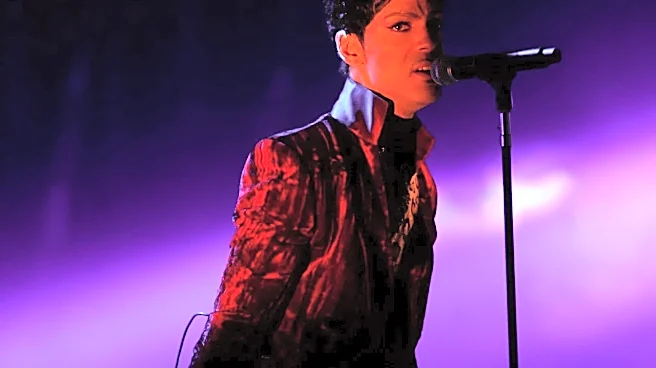
From the very beginning, Prince wasn't just an artist; he was a self-contained musical universe. His 1978 debut album, For You, famously credits him for producing, arranging, composing, and performing all 27 instruments. This wasn't a gimmick. It was a declaration
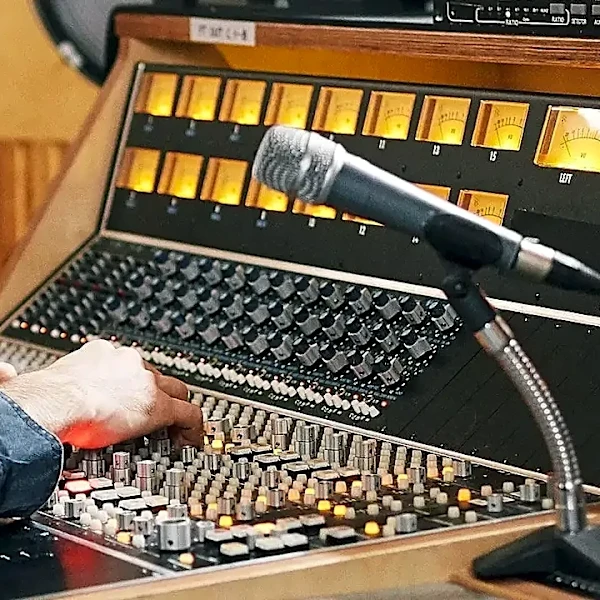
of independence and a working method he would maintain for most of his career. By the early 1980s, he had honed this singular approach into the revolutionary “Minneapolis Sound”—a blend of funk, new wave, rock, and soul that was entirely his own. He preferred working with a tight-knit circle of trusted engineers and musicians, like David Z, who helped him record the demos that landed his Warner Bros. deal and later engineered parts of Purple Rain. The producer Prince consistently picked, trusted, and fought for was, fundamentally, himself.
A Label's Nervous Bet
As Prince’s star ascended with albums like 1999, executives at Warner Bros. grew increasingly anxious. They recognized his genius but were spooked by his prolific output and unconventional, often risqué, sound. The label wanted to position him for a massive mainstream breakthrough, and in their minds, that required a seasoned, commercially proven producer to polish his raw edges. The producer he had wasn't a person they could fire; it was his entire method of creating music entirely on his own terms. Their fear was that Prince, left to his own devices, was too experimental and too risky for pop radio. They wanted a hit-maker who could guarantee a return on their investment. The conflict wasn't just about one album; it was about control over his entire artistic identity.
The Producer They Wanted
Warner Bros. had a specific kind of producer in mind: someone like Ted Templeman. Templeman was a giant in the industry, the house producer responsible for crafting monster hits for acts like The Doobie Brothers and Van Halen. He represented the pinnacle of slick, powerful, radio-friendly rock production. In his autobiography, Templeman recounts a meeting where he suggested to Prince that Quincy Jones—fresh off the world-conquering success of Michael Jackson's Thriller—would be the perfect person to produce his next record. Prince’s reaction was explosive. According to Templeman, the artist “sprang out of his seat” and became “unglued,” screaming that he produced himself. The suggestion, however well-intentioned, was a deep insult to an artist whose entire identity was built on self-reliance.
Winning the War for Control
Prince's defiance wasn't just a single outburst; it was a career-long campaign for artistic sovereignty. While the label pushed for outside producers, Prince pushed back harder, delivering Purple Rain—an album largely self-produced with his band, The Revolution—that became a cultural phenomenon and one of the best-selling albums of all time. The film's success was another victory, made on his terms after the studio initially expressed deep reluctance. This battle over production was a prelude to his more public war with Warner Bros. in the 1990s, when he famously changed his name to a symbol and wrote “SLAVE” on his cheek to protest his contract and lack of ownership over his master recordings. By refusing to cede control in the studio early on, he set a precedent. The producer the label tried to replace was Prince's own singular vision, and by picking himself, he ensured his legacy would be his and his alone.