




The Comfort in Chaos
Universal's Halloween Horror Nights has perfected the art of the jump scare, a sensory assault that relies on overwhelming noise and sudden movements. Guests navigate dark corridors while actors, armed with everything from buzzing chainsaws to guttural
growls, leap from hidden corners. The soundtrack is a carefully orchestrated cacophony of shrieks, musical stings, and environmental noise designed to keep your adrenaline spiked. There's a strange comfort in this formula. You know the scares are coming. The loud noise is a cue for your fear, a predictable trigger in an unpredictable environment. It's a shared, communal experience of being startled. But true, lasting dread often creeps in when the noise stops.
The Psychological Power of Silence
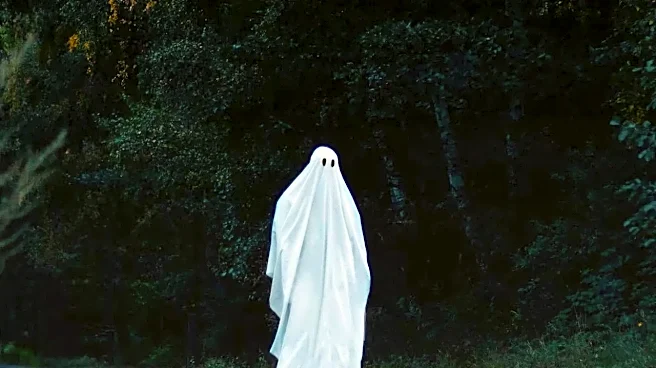
Horror isn't just about what you see and hear; it's about what you don't. Our brains are wired to use sound to orient ourselves and identify threats. When that sense is taken away, we feel vulnerable. Complete silence in a place where you expect noise forces your brain to work overtime, filling the void with its own worst fears. Think of the most effective atmospheric horror films; the tension builds not from constant monster attacks, but from the unnerving stillness in between. A silent haunted house forces you to focus on every flicker of light, every shadow in the corner. Every creak of a floorboard under your own feet would become a potential threat. The anticipation of the scare becomes far more potent than the scare itself.
Reading Your Own Fear
This is where subtitles become more than just an accessibility tool; they become a narrative device. Instead of hearing a monster's growl, a subtitle on a small, flickering screen ahead of you might read, '[Something heavy drags itself across the floor above you.]' Or more chillingly, '[A wet, ragged breath just behind your left ear.]' The text would force your imagination to paint a far more terrifying picture than any animatronic could. The creators could even play with the text itself—making it glitch, appear in frantic bursts, or use descriptive, unsettling language, like the 'squelching wetly' subtitles that made 'Stranger Things' famous. This method puts the source of the fear directly inside your own head, personalizing it.
A New, Inclusive Kind of Terror
Beyond the creative potential, a silent, subtitled house would be inherently more inclusive. While some haunts offer ASL interpreters on select nights or have accessible routes, a house designed from the ground up to be experienced without sound would offer a new paradigm. It would provide a uniquely terrifying experience for deaf and hard-of-hearing guests, putting them on the same footing as everyone else. But it's not just about accessibility. For veteran HHN fans who feel they've seen it all, it offers a completely fresh, psychological challenge. It would be a cerebral horror experience, a stark contrast to the visceral, loud mazes next door. It wouldn't replace the classic HHN chaos, but it would complement it by offering a different flavor of fear—one that’s quieter, deeper, and follows you home.