





The Art of the Un-Cluttered Layer
American layering often brings to mind bulky sweaters piled under even bulkier coats to survive the cold. But Danish layering is a different art form. Born from a need to navigate unpredictable weather, it’s a masterclass in functionality and minimalist
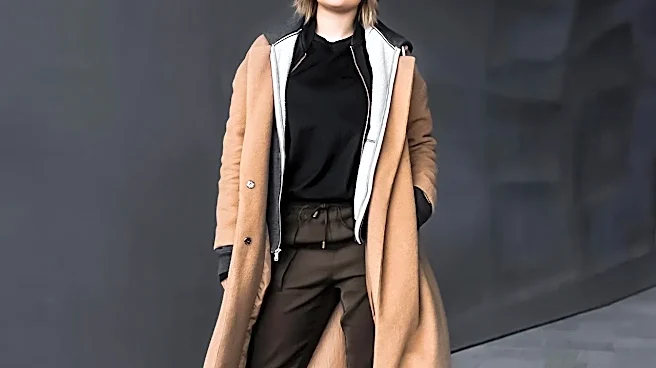
elegance. The goal isn't just to add warmth, but to create a dynamic, visually interesting silhouette without looking weighed down. It’s about combining high-quality basics—a thin base layer, a crisp shirt, a well-cut blazer, and a timeless coat—in a way that feels intentional and relaxed. The key is that each layer is chosen for its simple lines and ability to work in harmony, avoiding unnecessary bulk or busy patterns.
Defining Negative Space in Style
In art and design, negative space is the area around and between the subjects of an image. In fashion, it’s the exact same concept. It’s the void, the emptiness that gives shape and definition to what you’re actually wearing. Think of the sliver of wrist that appears when you push up your sweater sleeves, the neckline that frames your collarbone, or the flash of ankle between your cropped trousers and sneakers. This isn’t dead space; it’s an active ingredient. It’s the visual pause that allows an outfit to breathe, preventing it from becoming a monolithic block of fabric. For Danes, these intentional gaps are just as important as the clothes themselves.
A Masterclass in Proportion
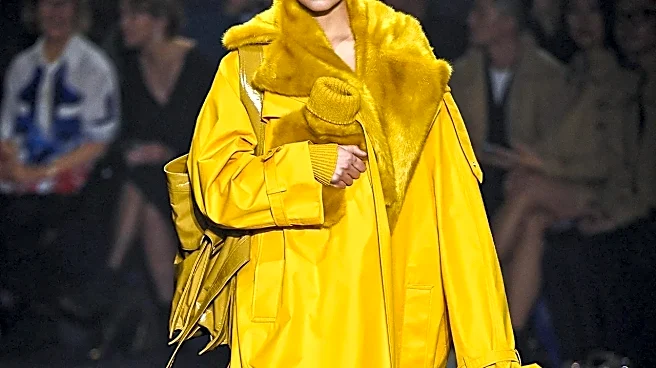
Negative space is the ultimate tool for playing with proportion. An oversized coat paired with straight-leg jeans only works because of the space it creates around the body, suggesting a shape rather than clinging to it. That seemingly casual roll of a sleeve isn't just for comfort; it breaks up the long line of the arm, introduces a focal point, and adds a sense of effortless polish. The same goes for layering a dress over trousers or jeans, a common sight in Copenhagen. The space where the dress ends and the trousers begin creates a new, interesting proportion that feels both creative and considered. It’s a deliberate choice that adds structure and prevents the look from feeling sloppy.
More Than Just Skin and Bone
While showing a bit of skin is one way to create negative space, the concept is much broader. It also applies to the space between fabric and the body. A flowy skirt, a wide-leg pant, or an A-line coat all use volume to create negative space within the silhouette itself. The air between the garment and you is part of the look. This is also where texture comes in. Layering a chunky knit over a smooth silk slip or a crisp cotton shirt under a wool blazer creates contrast. That textural difference functions like negative space, helping the eye distinguish between layers and appreciate each piece individually, adding depth and sophistication to an otherwise simple, neutral palette.
How to Make It Work for You
You don't need a trip to Denmark to master this principle. Start small. Push up your sleeves and let your wrists show. Opt for a straight-leg or wide-leg jean instead of a skinny fit to create space around your legs. Try leaving your coat unbuttoned over a simple tee and trousers to create a strong vertical line of negative space down the center of your body. When layering, stick to a neutral color palette of black, beige, grey, and white; this allows the shapes and the spaces between them to become the main focus, rather than competing colors. Finally, resist the urge to add one more accessory. Often, the most powerful statement is the empty space where a necklace or scarf could have been.