




From a Single Sentence to a Blueprint
It often starts with a simple line in a script: “They fight on the bridge.” But turning that sentence into a compelling, believable, and safe sequence is a monumental task. The stunt coordinator, a role increasingly recognized by the Emmys for its creative
importance, is brought in early. They collaborate with the director and writers to break down the story a scene needs to tell. Is the fight desperate and clumsy, or is it the work of two highly trained assassins? The answer dictates every choice that follows. This initial phase involves conceptualizing the choreography, identifying potential hazards, and beginning the complex process of risk assessment. Stunt professionals emphasize that while their job is to take calculated risks for their art, the planning process is what makes those risks manageable. They are, in essence, architects of action, designing a blueprint for controlled chaos.
The Digital Rehearsal
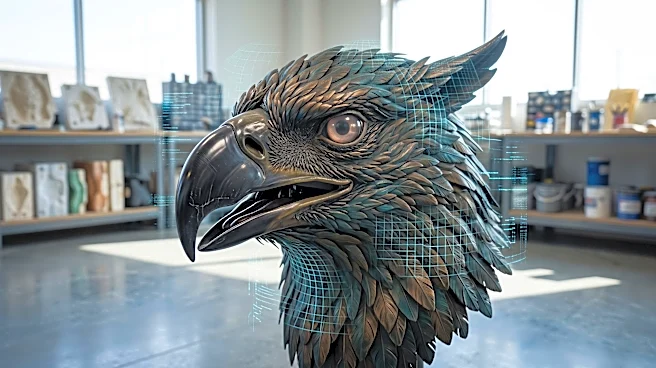
Before anyone throws a punch or leaps from a building, the entire sequence is built and refined in a digital environment. This process is called pre-visualization, or "pre-vis." Using animation software, the stunt team creates a detailed, 3D version of the sequence. This digital rehearsal allows the director, cinematographer, and stunt coordinator to experiment with camera angles, pacing, and the flow of movement without putting any performers at risk. It’s a crucial step for ironing out problems that would be incredibly costly or dangerous to discover on set. For a complex wire-work scene, like a character flying, the pre-vis can map the exact trajectory and speed needed from the rigging equipment. This technical planning ensures that when the cameras finally roll, every department knows the precise dance they need to perform.
The Grueling Art of Practice
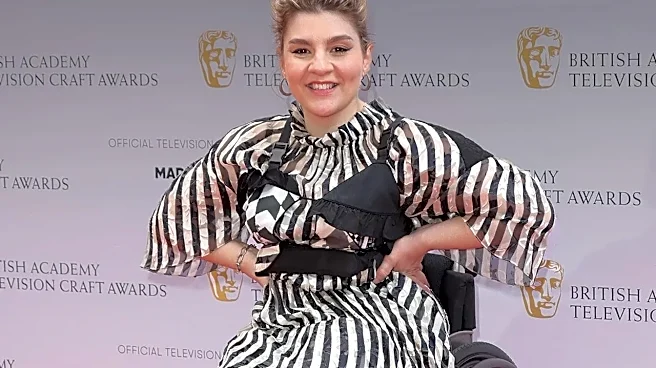
With the digital blueprint set, the physical work begins. Stunt performers and, often, the actors themselves, can spend weeks or even months in intense training. Stunt performer Jahnel Curfman, a multi-time Emmy nominee for her work on shows like Stranger Things, comes from a background in gymnastics and dance, highlighting the athleticism required. Performers learn intricate fight choreography, practice harness and wire work, and master specialized skills demanded by the script, from high-speed driving to martial arts. This isn't just about getting the moves right; it's about building muscle memory so the performance is second nature. The goal is to make the action look raw and spontaneous, but that illusion is only possible through relentless, repetitive, and highly disciplined practice. This dedication is why many in the industry consider stunt professionals to be athletes as much as artists.
A Symphony of Controlled Chaos
A shoot day for a major stunt is a masterclass in collaboration. The stunt coordinator acts as the conductor of an orchestra that includes dozens of people from different departments. The special effects team rigs explosions and breakaway props, the camera department operates in tight, choreographed movements around the action, and the props team ensures every item is safe to use. The performers, who have rehearsed for months, must now execute their moves perfectly, often in just a few takes, while contending with the pressure and adrenaline of a live set. For a show like The Boys or Fallout, both nominated for 2026 stunt Emmys, a sequence might involve coordinating practical effects, digital enhancements, and intense physical performances all at once. What the audience sees as a moment of brutal chaos is, in reality, one of the most meticulously planned and controlled events in television production.