






The Technological Marvels
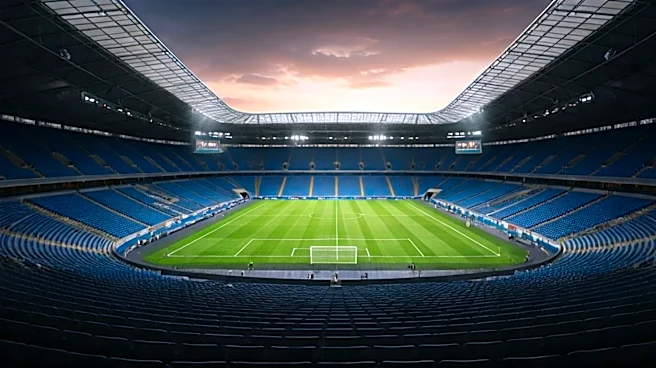
Los Angeles' SoFi Stadium and Atlanta's Mercedes-Benz Stadium are architectural head-turners that redefine the fan experience. SoFi, considered the most expensive stadium ever built, is an indoor-outdoor masterpiece thanks to a translucent roof that provides
the feel of open air while shielding fans from the elements. Its defining feature is the 1,000-ton, 360-degree “Infinity Screen,” a colossal 4K video board that ensures no one misses a replay. For the World Cup, the venue underwent major structural changes to accommodate a wider soccer pitch, which involved removing corner seating sections and elevating the entire field. Meanwhile, Atlanta's stadium is famous for its retractable roof that opens and closes like a camera aperture. It also boasts a 360-degree halo video board and holds a LEED Platinum certification, making it one of the most sustainable venues in professional sports.
The Indoor Giants and the Great Grass Switch
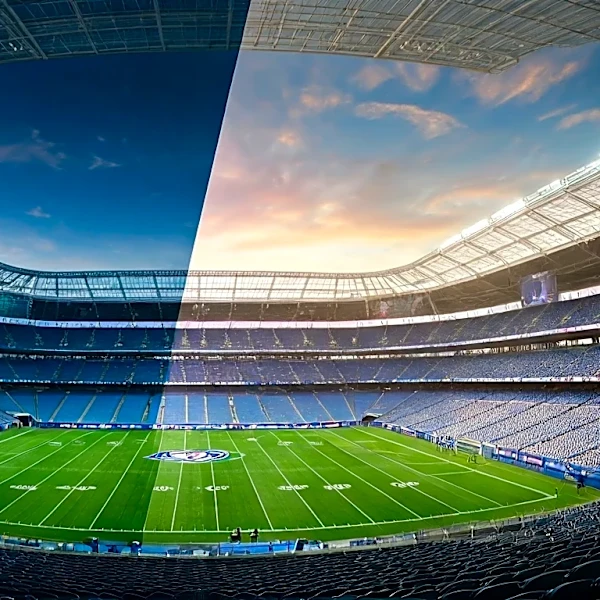
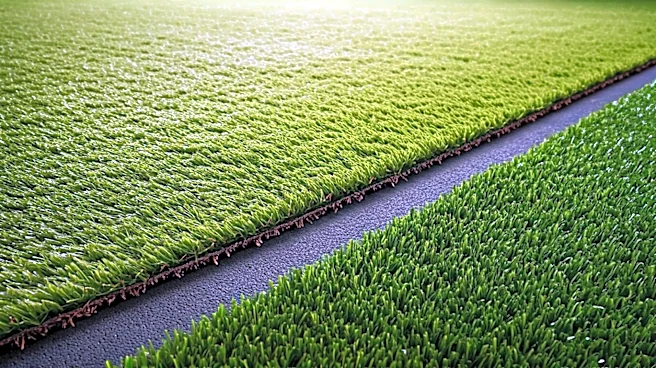
Hosting World Cup games in state-of-the-art NFL stadiums like AT&T Stadium in Arlington and NRG Stadium in Houston presented a massive challenge: FIFA mandates natural grass, and these are indoor, artificial turf venues. The solution has been a feat of engineering. AT&T Stadium, which will host nine matches, had its field level raised and widened to meet FIFA's pitch dimensions. A sophisticated, custom-grown grass surface was then installed, complete with complex irrigation, ventilation, and even ceiling-mounted grow-light systems to mimic sunlight and keep the pitch in perfect condition. This unprecedented effort to grow and maintain world-class grass inside climate-controlled domes is one of the tournament's biggest behind-the-scenes stories.
The Historic Icon, Reborn
No stadium in the world is as steeped in World Cup history as Mexico City's Estadio Azteca. It's the only venue to have hosted two previous finals (1970 and 1986) and witnessed iconic moments from Pelé and Diego Maradona. Now, it makes history again as the first stadium to host matches in three separate World Cups. To prepare, the legendary arena underwent a massive renovation to modernize without losing its soul. The project included upgrades to the roof, new digital screens, expanded hospitality areas, and improved Wi-Fi and accessibility, ensuring the grand dame of soccer is ready for its third act on the global stage. Playing at an altitude of over 7,000 feet, the Azteca will offer a unique challenge to players and an unforgettable pilgrimage for fans.
The Stage for the Final
While other stadiums boast futuristic roofs and billion-dollar price tags, MetLife Stadium in East Rutherford, New Jersey, gets the ultimate prize: hosting the World Cup final. The open-air home of the NFL's Giants and Jets, its transformation has been extensive. Like other NFL venues, its artificial turf was replaced with a meticulously prepared natural grass pitch, a six-year project to perfect the temporary surface. The stadium's open design is actually an advantage for growing grass compared to indoor venues. But the real test is logistical: scaling up everything from transportation to security to handle the single most-watched sporting event on the planet. The venue has been temporarily rebranded as "New York New Jersey Stadium" for the tournament, per FIFA rules.
The Sustainable Champions
A major storyline for the 2026 tournament is its focus on sustainability, largely achieved by using existing stadiums instead of building new ones, a stark contrast to previous World Cups. This decision alone drastically reduced the event's carbon footprint related to construction. Many of the host venues have leaned into green initiatives. Thirteen of the 16 stadiums have achieved LEED certification for sustainable building standards. Atlanta's Mercedes-Benz Stadium is a leader with its massive solar panel array and rainwater capture system. Other venues like Seattle's Lumen Field divert more than 90% of their waste from landfills through robust recycling and composting programs. These efforts make the venues themselves key players in FIFA's goal of hosting a more environmentally conscious tournament.