
The Old Guard of Game Day
The tradition of painting one's face for sport is as old as competition itself, a direct descendant of the 'war paint' used by ancient warriors to intimidate foes and signify tribal allegiance. For modern sports fans, this translated into a simple, visceral
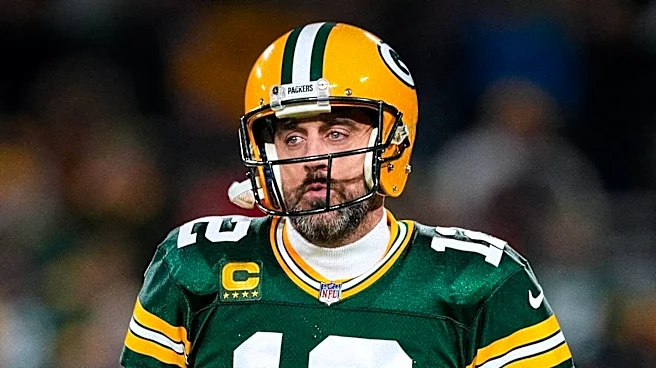
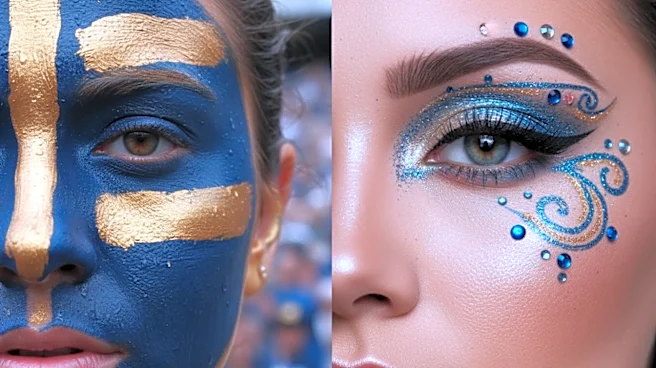
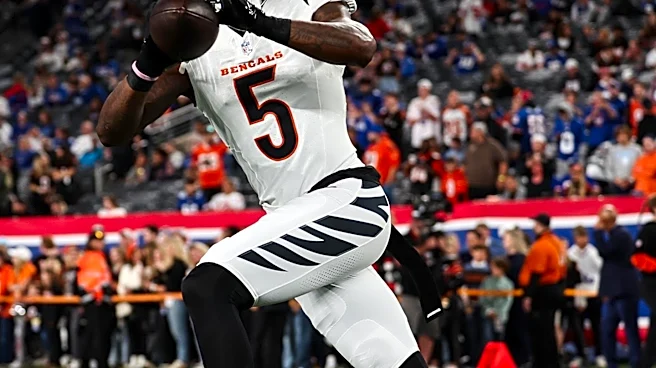
language of loyalty. Think of the die-hard football fan, chest bare in freezing weather, face covered in a thick mask of team colors. It was about raw, unapologetic affiliation. The tools were basic: greasy sticks of paint, maybe some burnt cork for eye black in the early days. The application was messy, the look was aggressive, and the message was clear: I am one of them, and we are here to win. This expression of fandom was often coded as masculine, a primal display of belonging that was more about the collective than individual creativity.
From War Paint to Winged Eyeliner
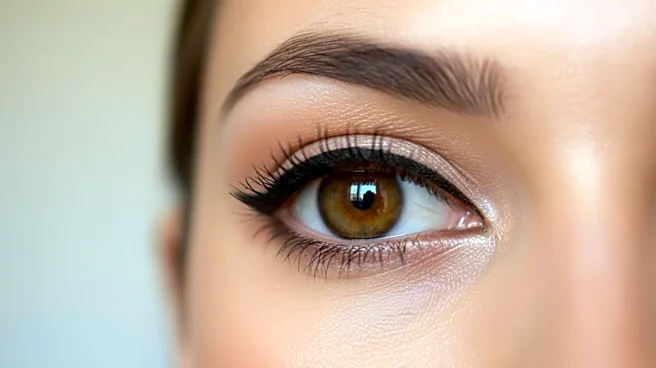
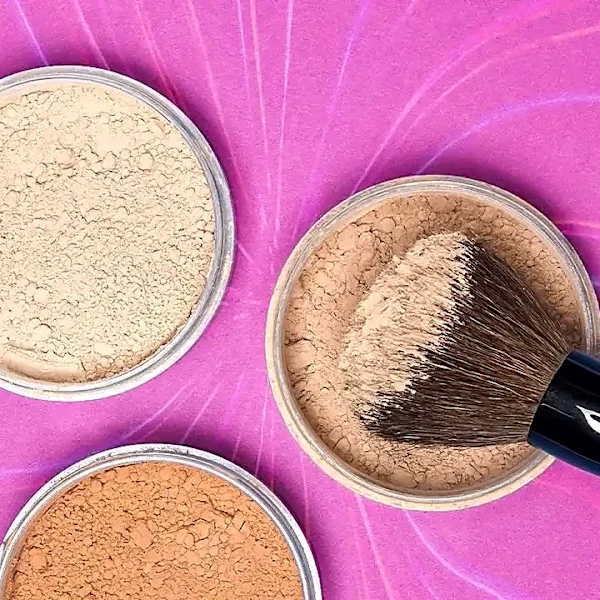
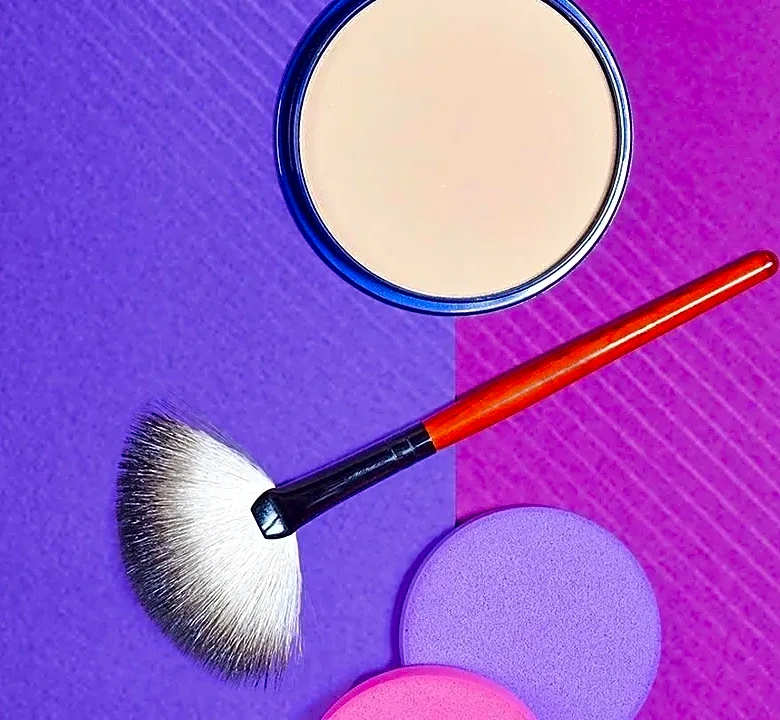
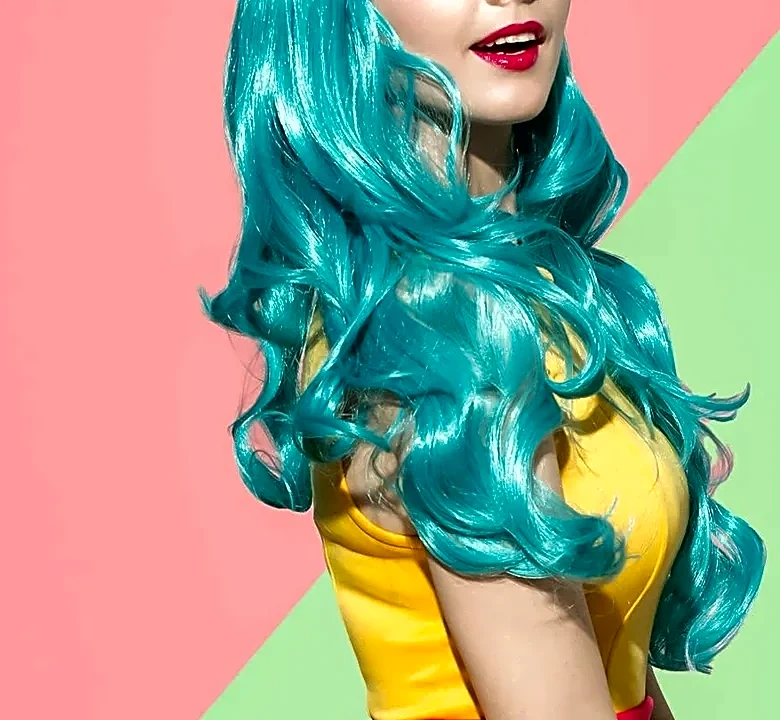
Today, a new aesthetic is taking over the stands and screens. Where face paint was broad and crude, modern fan makeup is precise and personal. It’s less about slathering on color and more about integrating team spirit into established beauty routines. This new look involves sharp, winged eyeliner in a team’s navy blue, a cut-crease eyeshadow look blending varsity orange and white, or carefully placed face gems that shimmer under stadium lights. It’s not just about color, but about technique. Fans are using high-quality primers, long-wear foundations, and setting sprays to ensure their look lasts from the tailgate to the final whistle. This is fandom expressed through the language of beauty, where a logo might be subtly incorporated as a beauty mark or a player's number artfully drawn with liquid liner.
The Social Media Playbook
This evolution isn’t happening in a vacuum; it’s being driven by social media. Platforms like TikTok and Instagram are filled with “Get Ready With Me for Game Day” (GRWM) videos where fans, predominantly women, share their entire process. These tutorials democratize the look, offering step-by-step instructions on how to achieve the perfect team-spirited smoky eye. This digital fan culture creates a new kind of community, one based on shared creative expression. It’s also created a new kind of influencer: the fan who is as skilled with a makeup brush as they are knowledgeable about their team's stats. This digital stage allows the fan look itself to become a piece of content, celebrated and shared long after the game is over.
A New Generation of Fans
The shift from paint to makeup also reflects a broader change in who a sports fan is. The growth in viewership for women's sports and the increasing engagement of younger, more diverse audiences means fandom is no longer a monolithic culture. These new fans bring their own cultural languages into the stadium, and for many, that includes fashion and beauty. For this demographic, being a fan isn't just about watching the game; it’s a full-day social event. The outfit, the friends, and the look are all part of the experience. Makeup is a tool of self-expression and confidence, challenging outdated notions that femininity and serious sports knowledge are mutually exclusive.
The Business of Fandom Beauty
Brands are taking notice. While teams have long sold jerseys and hats, the beauty industry is now tapping into this market. Major cosmetics companies like e.l.f. and M.A.C have curated “Game Day Picks” on their websites. In a landmark 2023 move, Rihanna's Fenty Beauty launched a limited-edition NFL-partnered collection for the Super Bowl, featuring products in football-themed packaging. More recently, athletes themselves are entering the space, with WNBA star Lexie Hull co-founding a performance makeup brand, Forta, designed to withstand sweat and last through a game. This commercialization marks the official arrival of fan makeup as a legitimate and lucrative category of fan expression, moving it from a niche trend to a mainstream market.