



A Uniform for the Wedding Tribe
At its core, the bridesmaid dress is a uniform. Like a sports team's jersey, its primary job is to create a distinct, unified group. This visual cohesion isn’t just for show; it serves a deep psychological purpose. Studies on the psychology of uniforms
show that dressing alike fosters a sense of shared identity and belonging. On a chaotic wedding day, this instantly signals who belongs to the bride’s inner circle, distinguishing them from the rest of the guests. This sense of unity reinforces the bridesmaids' collective role as the bride’s key supporters. By creating a visual team, the dresses reduce social guesswork and subtly manage group dynamics, allowing the focus to remain on the celebration rather than on individual fashion statements.
For the Photos, Not the Closet
A wedding is a live event, but its memory is preserved in photographs. The bridesmaid dress is a crucial piece of aesthetic stagecraft designed to create a timeless, balanced backdrop for the bride. A bride's gown is the intended centerpiece, and uniform bridesmaid attire ensures it stands out. The matching colors and styles create a pleasing, intentional palette that prevents any one attendant’s outfit from clashing or pulling focus. This is why the common complaint, "I'll never wear it again," misses the point. The dress isn't meant for the bridesmaid's future social life; it's a functional costume designed for a single, highly photographed performance, ensuring the wedding album looks cohesive for decades to come.
An Ancient Tradition of Protection
The matching bridesmaid tradition has surprisingly dark and superstitious origins. In Ancient Rome, the law required ten witnesses at a wedding, and they dressed identically to the bride and groom. The purpose was to act as decoys, confusing evil spirits or even real-life threats like jealous ex-suitors who might try to harm the happy couple. This practice of creating a band of lookalikes for protection existed in other cultures as well, including in ancient China where bridesmaids would help protect the bride from bandits during her journey to the groom's village. While we no longer worry about demonic wedding crashers, the symbolic echo of a protective, unified front remains embedded in the tradition.
From Victorian White to Modern Hues
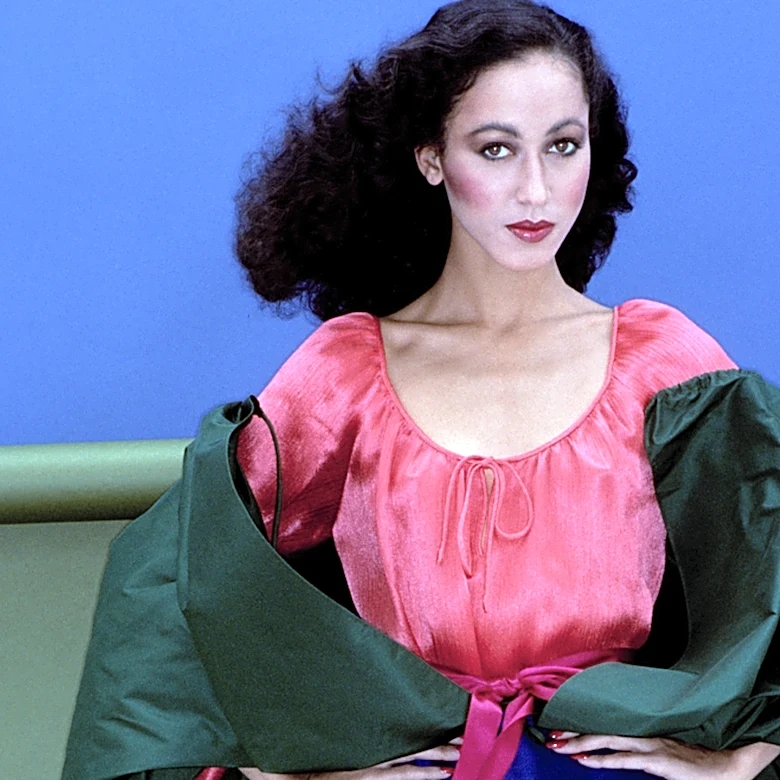
The look of the bridesmaid dress has shifted dramatically over time. Following Queen Victoria’s wedding in 1840, where she and her attendants all wore white, all-white bridal parties became the fashion. By the late 19th century, color started to appear, and through the 20th century, bridesmaid dresses became a mirror of contemporary fashion, from the dropped waists of the 1920s to the minimalist styles of the 1990s. The infamous puffy-sleeved, satin creations of the 1980s are a testament to how strongly the tradition locks into its era, for better or worse. This evolution shows that while the function of the dress is constant, its form is always a reflection of its time.
A Tradition That's Finally Evolving
Today, the rigid tradition is finally becoming more flexible. The modern approach favors coordination over strict matching, a trend that acknowledges the common complaints of cost and unflattering fits. Many brides now opt for a mix-and-match approach: bridesmaids are asked to wear the same color but can choose different dress styles that suit their body types and personal tastes. Fabrics like satin and crepe are popular, and color palettes have expanded to include rich jewel tones and soft, earthy shades like sage green. This evolution keeps the spirit of a unified bridal party alive while offering a level of personalization and comfort that was once unthinkable.