


The Practicality of All-Day Elegance
First, let's be practical. Royal Ascot is not a two-hour cocktail party. It’s a marathon of socializing, standing, and navigating crowds, often on grass. A dress with immense volume—think layers of stiff tulle or a heavy, structured skirt—becomes a liability.
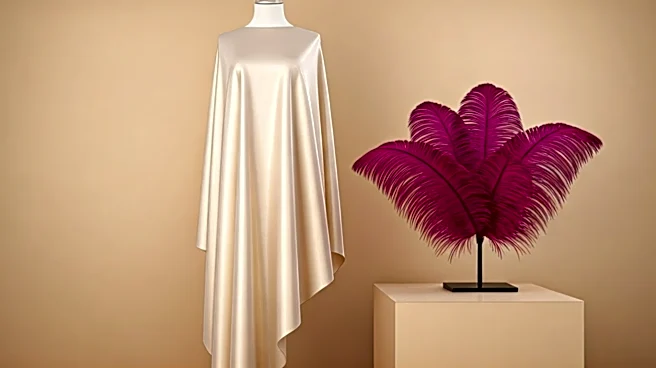
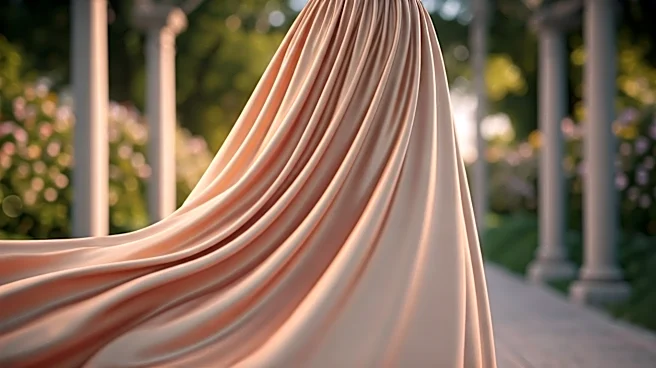
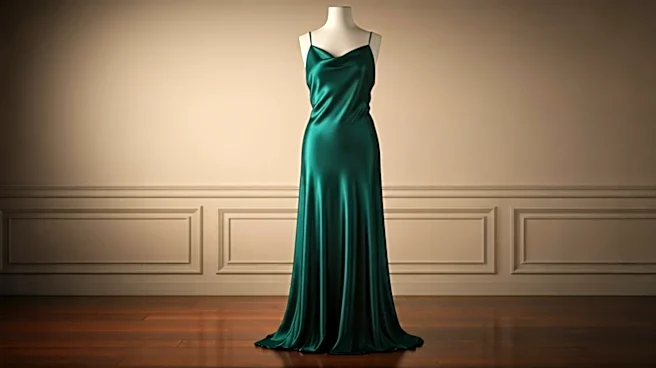
It’s cumbersome to walk in, a nightmare to sit in gracefully, and a potential hazard in a gust of wind. Dresses that prioritize movement, however, work with the wearer. Lightweight silks, flowing crepes, and delicate chiffons glide rather than barge. They allow for natural, unrestricted motion, ensuring the wearer looks just as poised and comfortable at the end of the day as she did upon arrival. This is the difference between a dress that is worn and a dress that is endured.
Winning the Photography Test
In an era of constant documentation, a dress must pass the photography test from every conceivable angle. Voluminous gowns are often designed for a single, perfect pose. From the front, they might look dramatic and regal. But from the side, or in a candid shot while walking, that same volume can create a boxy, unflattering silhouette. A dress with beautiful movement, by contrast, is photogenic in motion. The gentle sway of a pleated skirt, the soft drape of a bishop sleeve, or the flutter of a midi-hemline creates dynamic, elegant lines that look stunning in still photos and videos alike. It ensures the focus remains on the person’s grace, not on an unwieldy garment that happens to be attached to them. Look to figures like the Princess of Wales, whose Ascot choices often involve polka-dot Alessandra Rich dresses or flowing Elie Saab gowns that are a masterclass in this principle.
A Modern Take on Formality
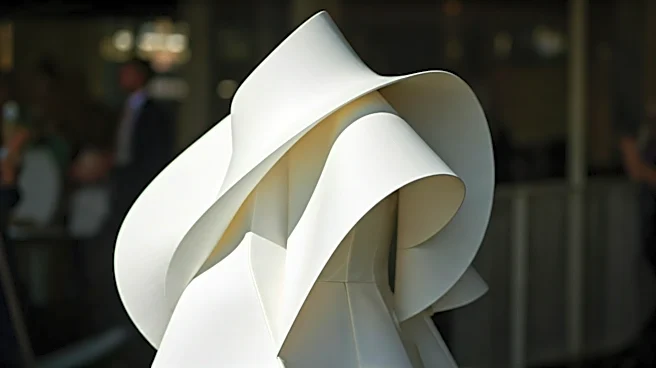
There's also a shifting definition of what looks sophisticated. While a giant ballgown has its place, for a daytime formal event, excessive volume can feel dated or even costume-like. It can suggest effort, while the modern ideal of elegance leans toward an effortless confidence. A dress that moves beautifully speaks to this ideal. It implies that the wearer is comfortable in her own skin and doesn’t need architectural scaffolding to make a statement. The statement is in the quality of the fabric, the precision of the cut, and the way the garment interacts with her body. This less-is-more approach to volume separates true style from mere spectacle. It’s the difference between looking like you’re attending a formal event and looking like you *belong* at one.
Working Smarter Within the Dress Code
The famous Royal Ascot dress code is notoriously strict, particularly in the Royal Enclosure. Hemlines must fall to the knee or longer, and straps must be at least one inch wide. These rules can easily lead to outfits that feel frumpy or restrictive. This is where movement becomes a powerful tool for expression. Instead of relying on a short hemline or a plunging neckline for impact (both forbidden), designers and attendees use fluidity. A long, knife-pleated skirt offers modesty while creating incredible visual interest as it moves. A dress with soft, draped sleeves fulfills the shoulder-coverage rule while adding a touch of romance and softness. By choosing movement over volume, attendees can adhere to every letter of the law while still looking chic, fashionable, and entirely themselves.