



The Real 'Hidden Detail': It's Structure
The most significant shift in choosing outerwear in your 40s isn't about finding a magical new style, but in prioritizing structure. This is the true 'hidden detail.' It’s the difference between a jacket that just covers you and one that completes your look.
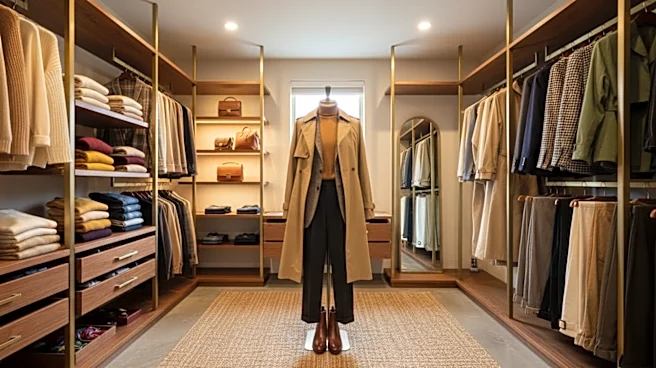
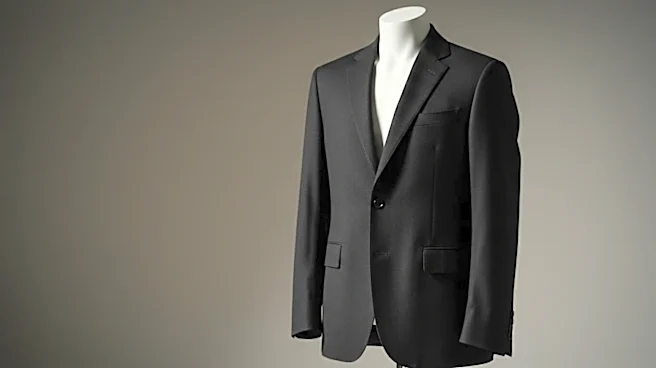
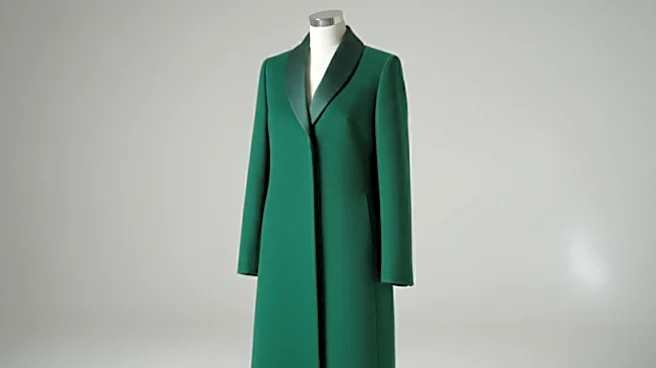
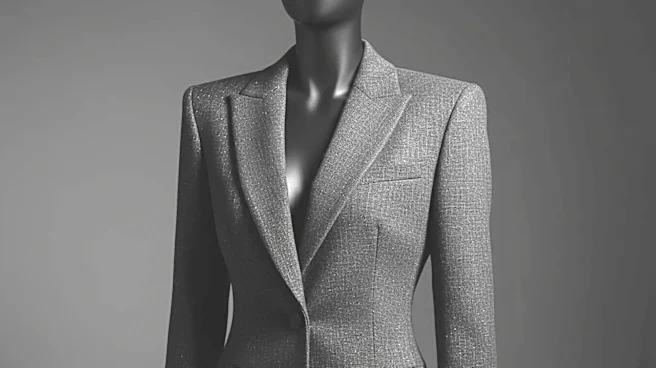
Structure doesn’t mean stiff or uncomfortable. It means a coat with intention in its lines—a sharp shoulder, a defined waist, or a crisp lapel. A well-tailored wool coat, a classic trench with a belted waist, or a peacoat with its strong double-breasted shape all use structure to create a polished silhouette. This shifts the focus from simply staying warm to making the coat an integral part of the outfit, creating a look that feels confident and put-together.
Fabric Is a Silent Communicator
A coat's structure is only as good as the material it's made from. High-quality fabrics like wool, cashmere blends, and dense cotton gabardine hold their shape and drape beautifully, making even simple designs look more luxurious. A premium wool coat offers warmth without excessive bulk, creating a clean, architectural line. These materials don't just feel better; they look better, absorbing light softly rather than creating a cheap-looking shine. This focus on quality fabric is a hallmark of the 'quiet luxury' movement—where the value is in the material and craftsmanship, not a logo. An investment in a good fabric is an investment in a coat that will maintain its shape and elegance for years.
Mastering Proportions and Length
The way a coat’s length interacts with the clothes underneath is a detail that signals true style-savviness. A well-chosen length can elongate your entire frame. For example, a long, tailored coat creates a powerful vertical line, making you appear taller and leaner. If you opt for a shorter jacket, one that hits at the hip can work wonders for defining your shape, especially when paired with high-waisted trousers. The key is balance. A belted wrap coat can create a flattering hourglass silhouette, but it's crucial that the fabric has enough weight to drape correctly. The goal is to ensure the coat harmonizes with your body and your outfit, not overwhelm them.
Beyond Neutrals: The Power of Color and Hardware
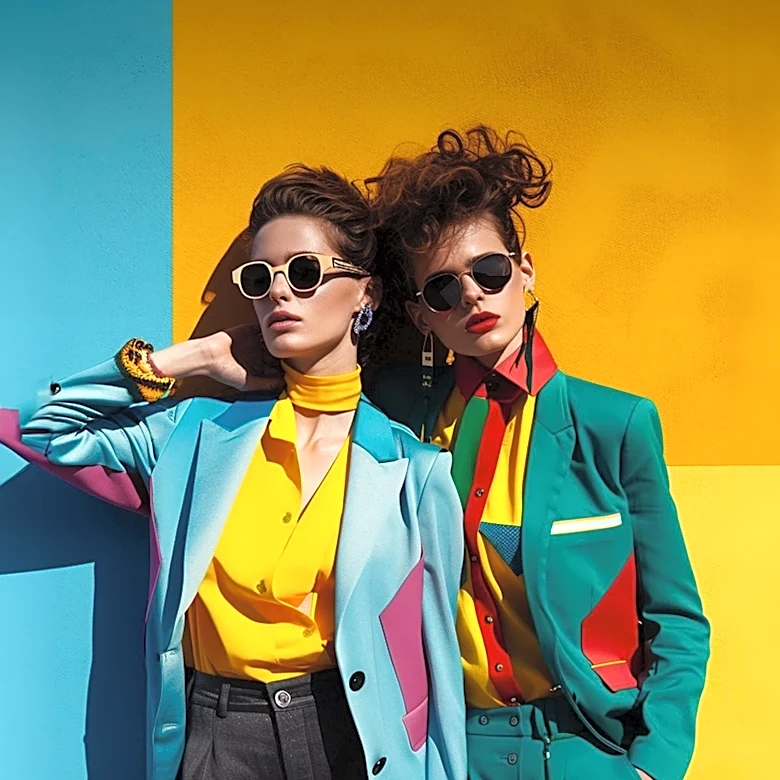
While timeless neutrals like camel, navy, and charcoal are foolproof choices, a coat in a rich, flattering color can be transformative. A beautiful jewel tone like emerald or burgundy can make a simple outfit of jeans and a sweater feel special and intentional. It becomes the focal point of your look. Similarly, pay attention to the hardware. The right buttons, a well-crafted zipper, or a unique buckle can elevate a coat from basic to statement. These details are a sign of quality and thoughtful design. A coat with clean, minimal hardware often looks more expensive and timeless than one with overly trendy or flashy elements.
The Final Touch: How You Wear It
Ultimately, the most important detail is personal style. A great coat is a canvas. Pushing up the sleeves of a blazer, popping the collar of a trench, or tying the belt of a wrap coat in a new way are all small gestures that make the piece your own. It’s about wearing the coat with confidence, not letting it wear you. These finishing touches show that you’re not just wearing an item of clothing for function; you’re expressing a point of view. A coat stops being just outerwear and becomes a signature piece when it feels like a natural extension of your personal style.