
The End of a Transformative Era
Just days before the Spring/Summer 2027 show, news broke that Glenn Martens would be stepping down from Diesel, concluding a remarkable six-year tenure. The Belgian designer took the helm in 2020, inheriting a brand known for its 90s and Y2K heyday but
which had since faded from the center of the fashion conversation. Martens was tasked with a monumental challenge: to make Diesel culturally relevant again. By all accounts, he succeeded spectacularly, injecting a jolt of experimental energy and irreverence that captivated a new generation. His departure marks the end of a pivotal chapter, making this final show not just a presentation of new clothes, but a curtain call for the man who brought Diesel back.
Decoding the Denim Language
At the heart of Martens’ revitalization project has been his “denim-first fashion language.” This wasn't about simply making great jeans; it was about deconstructing and reimagining the very fabric itself. Under his direction, denim was treated less like a textile and more like a sculptural medium. He introduced a dictionary of innovative techniques that have become his signature. There was the devoré or “disintegrating” effect, where denim appears to be artfully eating itself away. He used resin coatings and boiling treatments to bake permanent creases and twisted shapes into jackets and jeans, freezing the chaos of a night out into the garment itself. Other pieces featured trompe l'oeil effects, with materials like velvet or jersey printed and manipulated to perfectly mimic the look of distressed denim, blurring the lines between hard and soft, real and illusion.
Fashion as Public Spectacle
Beyond the clothes, Martens understood that modern brand-building requires creating cultural moments. He turned Diesel’s runway shows into massive, democratic events that broke down the industry’s velvet ropes. For Spring/Summer 2023, he staged the show in front of a public audience of nearly 5,000 people. The following season, he hosted a free rave for 7,000 guests. These weren’t just marketing stunts; they were a declaration of the brand’s ethos: inclusive, energetic, and a little bit wild. By inviting the public into the spectacle—whether it was set against a mountain of 200,000 condom boxes to promote safe sex or an urban scavenger hunt for looks from the collection—Martens ensured that Diesel was a brand to be experienced, not just worn.
The Final Bow in Milan
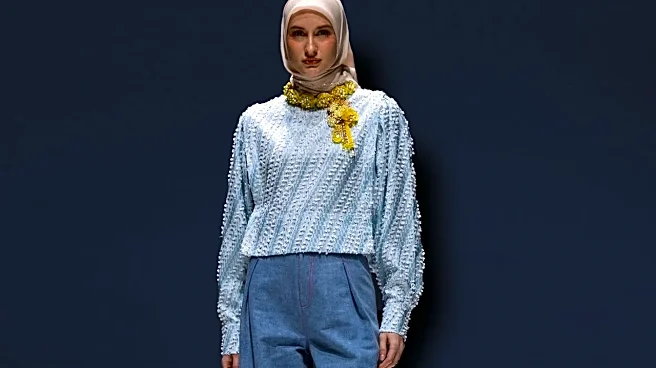
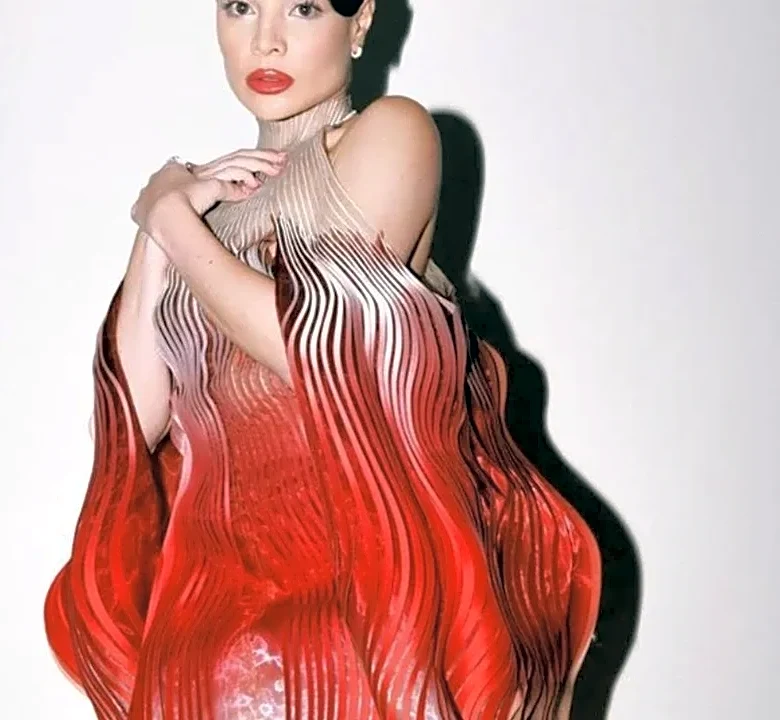
This final collection at Milan Fashion Week serves as Martens' closing statement. While each season brought new surprises, the core elements of his vision are on full display: a mastery of denim manipulation, a playful disregard for convention, and an undercurrent of raw, unapologetic confidence. The pieces are recognizably Martens' Diesel—at once wearable and wildly experimental. His work has consistently been praised for its ability to push creative boundaries without becoming unapproachable. As Diesel founder Renzo Rosso stated, Martens succeeded in bringing the brand “back to the centre of the global fashion conversation.” This last collection is the exclamation point on that achievement, a final, powerful expression of a fashion language that has redefined a global brand.