






The Impossible Weight of Perfection
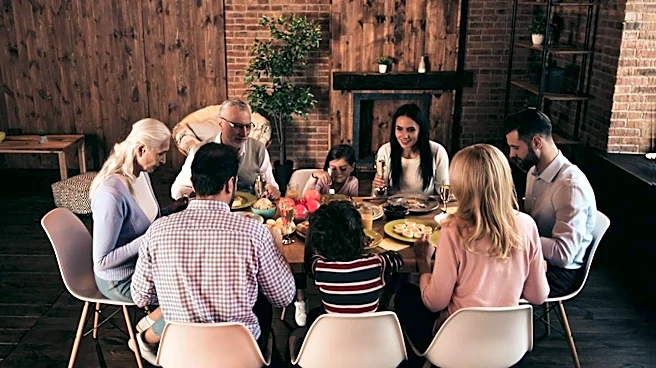
Media, advertisements, and even our own nostalgia create an idealized image of Thanksgiving. We picture perfect harmony, laughter, and heartwarming moments, but reality rarely matches this script. This gap between expectation and reality is a primary
source of stress. The pressure to create a 'perfect' day—from the meal to the mood—can make interactions feel more loaded than usual. When a family member makes a slightly critical comment or a conversation veers off-script, the disappointment feels sharper because it shatters that fragile, perfect image we were all straining to uphold. This strain is a huge reason why many people, as many as 89% according to one survey, perceive the holidays as a source of stress.
The Time Machine to Your Childhood Bedroom
There's a psychological phenomenon called regression, and the holidays are a prime catalyst for it. Simply returning to your childhood home can be enough to trigger it. The environment where you first learned your emotional habits can reactivate old patterns automatically. Suddenly, a competent adult can revert to feeling like a moody teenager, and grown children might find themselves falling back into roles like 'the peacemaker', 'the scapegoat', or 'the responsible one'. This isn't a conscious choice; it's a defense mechanism our brains use in response to the stress and anxiety of familiar family dynamics. You might have years of therapy and personal growth under your belt, but one comment from a parent can make you feel 13 all over again.
A Cocktail of Stress and Close Quarters
Holidays are uniquely designed to fray our nerves. The combination of travel, financial pressure, disrupted routines, and sheer exhaustion lowers everyone's emotional resilience. We're often not as well-rested or clear-headed as we normally are. Add alcohol to the mix, and the part of your brain responsible for impulse control and emotional regulation takes a backseat. Now, place these tired, slightly buzzed people into close quarters for an extended period with no easy exit. It's a recipe for conflict. Small disagreements that might otherwise be brushed aside can escalate quickly when everyone is already running on fumes.
When Old Grievances Resurface
Most Thanksgiving arguments aren't really about the dry turkey or who gets the last slice of pie. The holiday often provides a stage for years—or even decades—of unresolved issues to play out. Past grudges, sibling rivalries, and old hurts that sit under the surface for the rest of the year can be reactivated by a seemingly small comment. Because families are a system, these long-standing patterns of behavior tend to reappear during times of increased stress. The conversation about politics might not be about politics at all; it could be a proxy war for deeper resentments about feeling disrespected or misunderstood by that family member for years.
Clashing Identities and Unspoken Expectations
Family gatherings bring together people who may not spend much time with one another, each arriving with different values, beliefs, and lifestyles. A change in identity—a student returning from college with new ideas, or an adult child with different parenting philosophies—can be hard for a family unit to accept, creating tension. Furthermore, many conflicts arise from unspoken expectations. One person might expect deep, meaningful conversation, while another just wants to watch football. This mismatch can lead to feelings of disappointment or rejection. When a family member doesn't show interest in your life, it can feel like a personal slight, even if it's just a difference in communication styles.