






Beyond the Five-Star Rating
You’ve done your research. You’ve scrolled through dozens of photos and read countless reviews. Most customers talk about two things: fabric feel and overall fit. They’ll tell you if the cotton is soft, if the silhouette is flattering, or if the color
is true to the picture. While helpful, this feedback only tells half the story. Reviews from fellow shoppers rarely dive into the construction details that determine whether a dress will look just as good after ten washes or if it will start to warp, pull, and pucker. They focus on the immediate impression, not the long-term durability. To become a smarter shopper, you have to learn to see what the average review misses.
The Detail Hiding in Plain Sight: The Placket
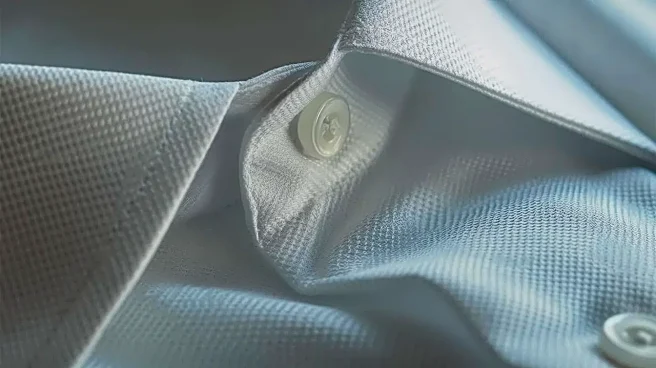
The single most telling detail on a shirt dress is the placket. That’s the vertical strip of fabric down the front that holds the buttons and buttonholes. It might seem like a minor feature, but its construction is a massive clue to the garment's overall quality. A well-made placket provides structure, prevents gaping, and ensures the front of your dress hangs straight and crisp. In fast-fashion manufacturing, the placket is one of the first places where corners are cut, because building a great one takes more time, skill, and material.
A Tale of Two Plackets
So what separates a good placket from a bad one? Cheaply made shirt dresses often feature a “grown-on” placket. This is where the dress fabric is simply folded over and stitched down to create a button band. It has no internal structure, so it’s prone to wrinkling, twisting after washing, and looking flimsy. A high-quality shirt dress, by contrast, will almost always have a separate placket. This means a distinct piece of fabric has been cut and sewn onto the front of the dress. More importantly, it will contain a layer of interfacing—a stiffening material fused inside—that gives the placket body and resilience. This construction keeps the front of the dress smooth, prevents the buttonholes from stretching, and resists curling at the edges.
How to Be Your Own Quality Inspector
You don’t need to be a designer to spot the difference. When you’re shopping, simply feel the placket. Does it feel like a single layer of fabric, or can you tell there’s a sturdier, separate band of fabric there? A good placket will feel more substantial than the surrounding material. Look at the stitching; on a quality garment, it will be straight and even. Now, turn the garment inside out. A well-made piece often looks just as clean on the inside as it does on the outside, with neat seams and no messy, loose threads. If the placket is a separate piece, you’ll be able to see the seam where it was attached. If it’s just folded fabric, you won’t.
The Placket as a Quality Barometer
Focusing on the placket isn't just about the placket itself. It’s a reliable indicator of the manufacturer’s overall commitment to quality. A brand that invests the time and resources to construct a proper, interfaced placket is highly likely to have paid attention to other critical details, too. They probably used better fabric, ensured the seams were reinforced, and matched patterns carefully. Conversely, if a brand cuts corners on a visible, structural element like the placket, it’s a red flag that other, less obvious quality compromises have likely been made throughout the garment.