






The Prime-Time Tournament
For years, American soccer fans have been slaves to the clock. World Cups in South Africa, Brazil, Russia, and Qatar forced die-hards into a bleary-eyed routine of pre-dawn alarms and hushed living room celebrations to avoid waking the family. Bars opened
at 7 a.m. to pour breakfast beers for a dedicated few. But the 2026 FIFA World Cup, hosted across North America, flips the script entirely. For the first time in over three decades, the tournament will be in our backyard. Matches will take place in U.S.-friendly time zones, kicking off in the afternoon and early evening. Think 1 p.m., 4 p.m., and 7 p.m. start times, not 5 a.m. This logistical shift is the single biggest factor opening the door for a new kind of watch spot. The hours of operation for a typical coffee shop—usually closing around 6 or 7 p.m.—suddenly align perfectly with a huge portion of the tournament schedule. Instead of being an endurance test, watching the World Cup will become a casual daytime or after-work activity.
The Rise of the Cafe as a 'Third Place'
The traditional sports bar isn’t for everyone. It can be loud, crowded, and overwhelmingly focused on alcohol. Meanwhile, the modern coffee shop has evolved far beyond a transactional place to grab caffeine. It has become the quintessential “third place”—a social hub outside of home and work where community is fostered. In the post-pandemic era, this role has only intensified. Cafes are where freelancers work, where friends catch up, where book clubs meet, and where people go to simply exist in a public space without the pressure of a bar environment. They are designed for lingering. Adding a screen to show a globally significant, daytime sporting event is a natural extension of this community-hub identity. It provides a built-in social occasion that fits the existing atmosphere better than a rowdy NFL Sunday.
A More Inclusive Fandom
The demographics of American soccer fandom are broadening. The game attracts a diverse audience that includes families with young children, women, and people who simply don't enjoy the classic sports bar scene. For a parent who wants to watch a match with their 10-year-old, a coffee shop is a far more appealing and appropriate option than a bar where the focus is on drinking. This creates an opportunity for a multi-generational viewing experience. Imagine a space where some patrons are dialed into the game, others are half-watching while chatting with friends, and kids can enjoy a hot chocolate while their parents cheer on the USMNT. The lower-key, brighter, and typically alcohol-free (or alcohol-light) environment of a cafe makes it an inherently more inclusive and family-friendly venue. It lowers the barrier to entry for casual fans who are curious about the World Cup but intimidated by traditional sports venues.
The Untapped Business Opportunity
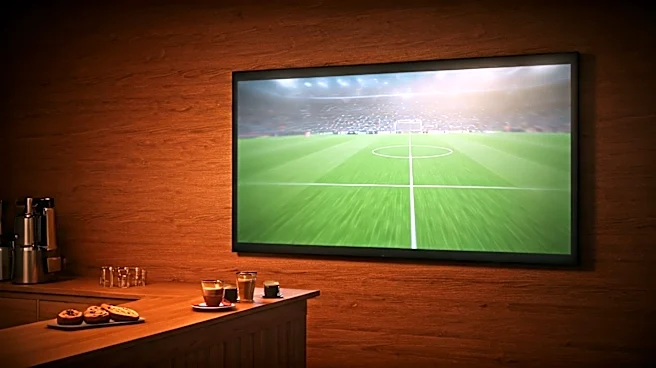
For coffee shop owners, the 2026 World Cup isn't just a cultural event; it's a month-long business opportunity. Most cafes experience a lull in the mid-afternoon, between the morning rush and the after-work pickup. World Cup matches scheduled for 1 p.m. or 2 p.m. on weekdays can fill those seats and drive sales of pastries, drinks, and snacks during traditionally slow hours. Many cafes already have the necessary infrastructure: ample seating, Wi-Fi, and a welcoming ambiance. Adding a well-placed television or a projector is a relatively low-cost investment with a significant potential return. Some may even explore limited liquor licenses to serve beer and wine, creating a hybrid model that captures the best of both worlds. By marketing themselves as a go-to watch spot, they can cultivate loyalty and transform casual customers into regulars who see the shop as a core part of their community.