







The Landlords of American Sports
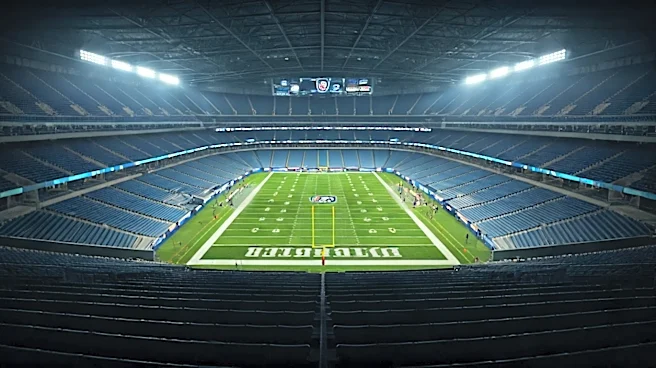
First, let's be clear: this is the National Football League's World Cup. All 11 U.S. venues are state-of-the-art NFL stadiums, from SoFi Stadium in Los Angeles to MetLife Stadium in New Jersey, which will host the final. This isn't a coincidence; it's
a testament to the league’s unrivaled economic and cultural dominance. Hosting the world's biggest sporting event required turnkey venues with massive capacity, and the NFL had them ready-made. FIFA’s requirements are so strict that these billion-dollar palaces are undergoing significant transformations, including removing seats to widen fields and, most notably, installing natural grass over the artificial turf many NFL players have long criticized. Even stadium names with corporate sponsors have been temporarily wiped clean to comply with FIFA's rules, a flex of power that shows that while the world is visiting, the NFL still owns the house.
The Global Mega-Hubs
The inclusion of New York/New Jersey, Los Angeles, and the San Francisco Bay Area was a given. These are not just American cities; they are global capitals of finance, technology, and entertainment. Leaving them off the list would be like making a movie without a star. New York/New Jersey, hosting the final, is the nation's media and financial heart. Los Angeles, home to two of the U.S. Men's National Team's group stage matches, is the epicenter of American entertainment. The Bay Area represents the immense power of Silicon Valley. These cities were chosen because they guarantee immense infrastructure, global connectivity, and a diverse, built-in international fanbase. Their selection reinforces that in America, true sporting power is inseparable from economic and cultural might.
The Sun Belt's Ascendancy
The map also tells a story of modern American growth, with a strong tilt toward the Sun Belt. Cities like Dallas, Atlanta, Miami, and Houston are not just hosts; they represent the country's demographic and economic future. Dallas, with its colossal AT&T Stadium hosting the most matches of any venue, is a monument to Texas-sized ambition. Atlanta has solidified its claim as the capital of soccer in the South, pairing its high-tech Mercedes-Benz Stadium with the new U.S. Soccer National Training Center. Miami, a vibrant gateway to Latin America, offers a unique cultural and commercial bridge for the tournament. Houston's inclusion further cements Texas as a core pillar of the event. This southern bloc reflects where people and corporations are moving, making them essential stops on any tour of American power.
The Heartland's Passion Play
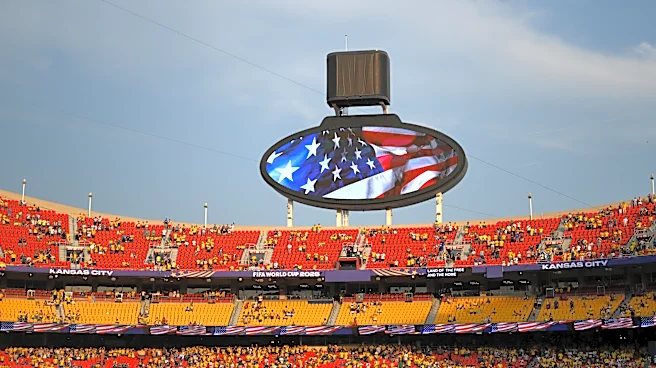
While much of the list is about financial muscle, the selection of Kansas City feels different. It's a nod to pure, unadulterated soccer passion. Long recognized as one of America's most fervent and knowledgeable soccer cities, its inclusion validates the grassroots energy that has propelled the sport's growth. Arrowhead Stadium, famously holding the world record for the loudest crowd roar, provides a different kind of power—the power of community and authentic fan culture. Similarly, Seattle and Philadelphia represent historic hotbeds of American soccer, boasting dedicated fanbases that create an intimidating atmosphere for visiting teams. Seattle is a fortress for the USMNT in the Pacific Northwest, while Philadelphia will host a match on July 4th, the nation’s 250th anniversary, linking the global game to America's own story.