



First, Understand What Made It Special
Before you dive in, remember what set Hip Hop Honors apart. From its start in 2004, the show was designed as a hall of fame, a corrective to mainstream awards shows that often ignored hip-hop's pioneers. Unlike awards based on recent sales, this was about
legacy. The format was simple but powerful: honor the architects of the culture and have contemporary artists—who saw them as heroes—perform their biggest hits. The show ran on VH1 from 2004 to 2010 before taking a hiatus and returning for two more years in 2016 and 2017. This structure created a bridge between generations, making it clear that artists like Drake or Kendrick Lamar don't exist in a vacuum; they stand on the shoulders of giants like Rakim, Public Enemy, and Queen Latifah.
Watch Chronologically: Start at the Beginning
The simplest, most rewarding path is to start with the 2004 show and move forward. The inaugural ceremony honored a Mount Rushmore of pioneers: Run-DMC, Tupac, KRS-One, Public Enemy, and even the broader graffiti and DJing movements with tributes to Kool Herc and the Rock Steady Crew. Watching year by year, you see the narrative of hip-hop’s canon being built in real time. The 2005 show honored Big Daddy Kane, Salt-N-Pepa, and The Notorious B.I.G., while 2006 celebrated Wu-Tang Clan and the Beastie Boys. This chronological approach gives you a curated education, showing how the culture saw itself and its history at a specific moment in time.
Thematic Rewatch: Focus on the Women
For a different angle, focus on the trailblazing women of hip-hop. The original run honored icons like Salt-N-Pepa (2005) and MC Lyte (2006). But the 2016 revival, titled "All Hail The Queens," put women front and center, celebrating Queen Latifah, Missy Elliott, Lil' Kim, and Salt-N-Pepa again. This episode was a landmark event, featuring a moving performance of "U.N.I.T.Y." with a stage full of female MCs like Rah Digga, The Lady of Rage, and Eve. Watching these moments together creates a powerful story about the resilience, innovation, and long-overdue recognition for the women who shaped the genre.
Pay Attention to the Tributes and Cyphers
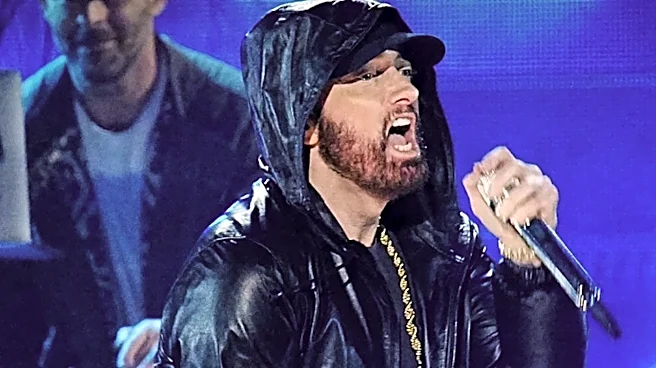
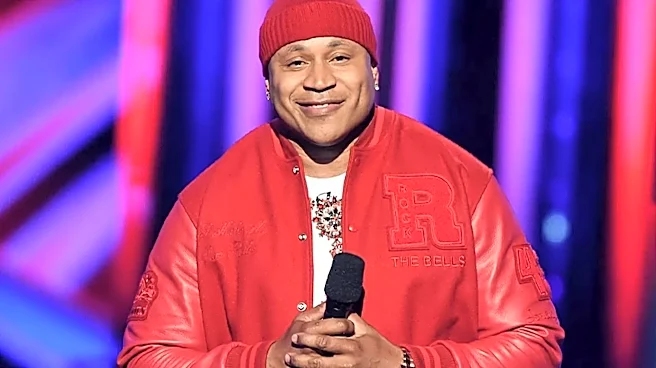
The magic of Hip Hop Honors is in the tributes. These aren't just cover songs; they are heartfelt displays of influence. Think of Eminem, Black Thought, and DJ Jazzy Jeff honoring LL Cool J in 2009, or Teyana Taylor’s electrifying, spot-on homage to Lil' Kim in 2016. These moments are dialogues between artists across time. Similarly, while more famous on the BET Hip Hop Awards, the cypher-like energy of seeing a group of modern stars tackle a classic is where the show truly shines. The tribute performances were the core of the show, where artists put their own spin on classics while showing deep reverence for the originals. These performances are the connective tissue of hip-hop history, brought to life on one stage.
Don’t Skip the Speeches and Side Moments
The performances are legendary, but the acceptance speeches and candid audience shots provide raw, unscripted context. Hearing a legend's unfiltered thoughts on their journey, or seeing the look on Chuck D's face as a new artist performs his work, is priceless. Queen Latifah’s 2016 speech about confronting racism was a powerful example of an artist using their platform. These awards weren't just about the music; they were about affirming the cultural weight and historical importance of hip-hop. The moments between the songs are where you feel the gravity of what these artists accomplished and what this recognition meant to them and the broader culture.