



The Shock of the Old
To understand the explosive reaction to a track like 'Yonkers' or 'Tamale' at Camp Flog Gnaw, you have to appreciate the sheer distance Tyler has traveled. His early work, from the 2009 mixtape 'Bastard' through albums like 'Goblin' and 'Wolf', was defined
by a raw, confrontational, and often grim aesthetic. The beats were jagged, the lyrics were packed with violent imagery and unfiltered teenage angst, and the delivery was pure gravel. This was 'horrorcore' for a new generation, music that felt genuinely dangerous and disruptive. Contrast that with his more recent, Grammy-winning projects like 'IGOR' and 'Flower Boy', which are celebrated for their melodic sophistication, vulnerability, and lush, jazz-inflected production. When he unleashes one of those early-era bangers mid-set, the sonic whiplash is the point. It’s a jolt of pure, chaotic energy that provides a thrilling counterpoint to the polished artist he has become.
A Ritual for the Day-Ones
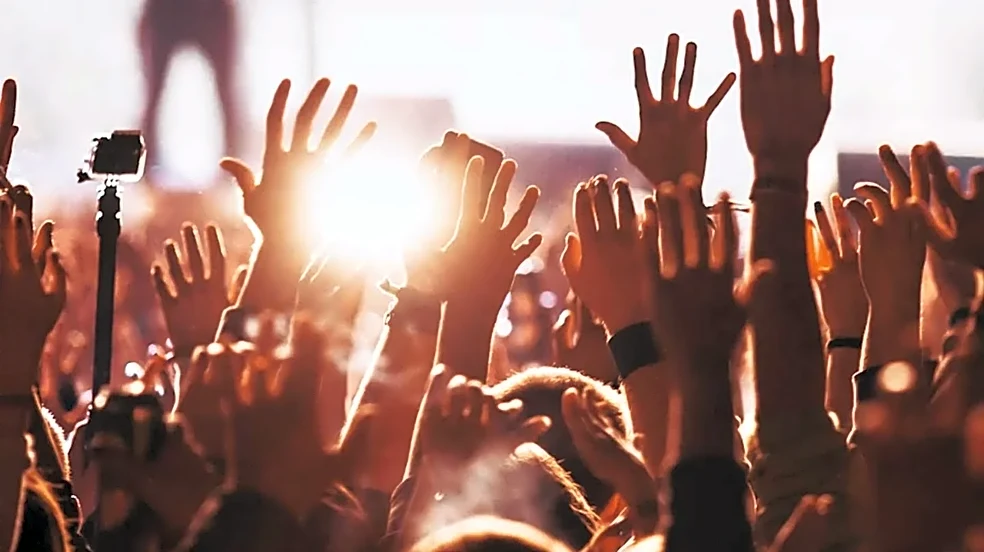
For many in the crowd, those early albums aren't just old songs; they're a shared history. They represent the Odd Future era, a time when Tyler and his collective were genuine cultural upstarts, building a rabid fanbase online and through chaotic live shows. Hearing those tracks isn't just nostalgia—it’s a signal to the long-term fans, a nod that acknowledges, 'I remember where we started'. In a festival crowd that grows larger and more diverse each year, these moments foster a powerful sense of community. It separates the casual listeners from those who remember downloading 'Bastard' from a Tumblr link. This act of remembrance is a form of fan service that deepens loyalty, making attendees feel like part of an exclusive club that has been on the entire, wild ride with him.
Catharsis in the Mosh Pit
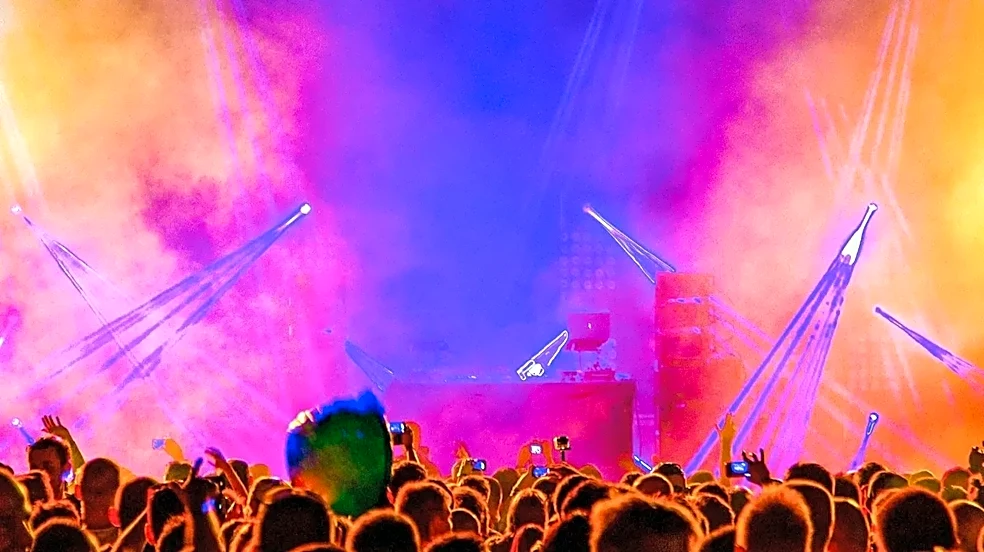
Beyond the history and context, there's a simpler, more primal reason these songs endure: they are purpose-built for physical release. The singalongs to 'See You Again' are beautiful, but they serve a different function than the collective mayhem of a mosh pit during 'New Magic Wand' or 'Who Dat Boy'. Tyler's early music is aggressive and bass-heavy, providing the perfect soundtrack for the kind of cathartic, controlled chaos that is central to the live rap experience. For the duration of that song, the festival transforms. The field ceases to be a sunny patch of LA grass and becomes a sweaty, churning mass of energy. It’s a moment for the audience to shed the anxieties of the outside world and lose themselves in a shared, physical experience. It’s loud, it’s intense, and for thousands of fans, it’s absolutely essential.
The Full Arc of an Artist
Ultimately, the continued presence of his early work is crucial for Tyler, the Creator’s own narrative. By refusing to discard his past, he presents a complete and honest picture of his artistic journey in every headlining set. He isn’t just the celebrated, multi-talented auteur of today; he is also the provocative, misunderstood kid who made 'Goblin'. Playing these songs is an act of integration. It shows that his evolution wasn't a replacement of his old self, but an expansion. It demonstrates that the introspection of 'Flower Boy' and the character work of 'IGOR' are made more meaningful by the raw anger that preceded them. For the audience, it's a powerful lesson in artistic growth, a reminder that the person you are is built on the foundation of who you were. By keeping the grit alongside the gloss, Tyler ensures his story, and the festival itself, remains compelling and complete.