



Build a Structural Foundation
The secret to preserving a sheer garment’s shape begins with what’s underneath. Think of your underpinnings not as something to hide, but as the scaffolding that supports the entire look. Instead of a simple camisole that flattens everything, consider
pieces with their own architectural integrity. A structured bustier or a longline bra with interesting boning can hold the shape of a sheer blouse from within. For a sheer dress or skirt, high-waisted briefs in a firm, opaque fabric or a minimalist bodysuit create a clean, sharp line that allows the sheer overlay to float and move as the designer intended. This approach turns the 'necessary' layer into a deliberate, powerful part of the silhouette.
Play with Contrasting Textures
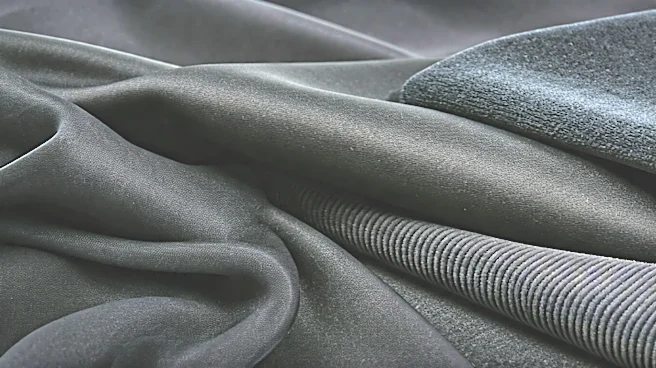
A common mistake is layering sheer black over another flat, matte black fabric, which can create a visual void where all detail is lost. To make the architecture pop, you need contrast. Layer a delicate organza shirt over a liquid-satin bralette. Pair a gossamer-thin chiffon skirt with a pair of sharp, tailored leather shorts. The interplay between different materials—the roughness of a knit, the gleam of leather, the plushness of velvet—creates depth and dimension. This textural dialogue helps the eye register the different layers and appreciate the specific qualities of the sheer fabric, preventing it from getting lost in a monolithic sea of black.
Use Outerwear as a Frame
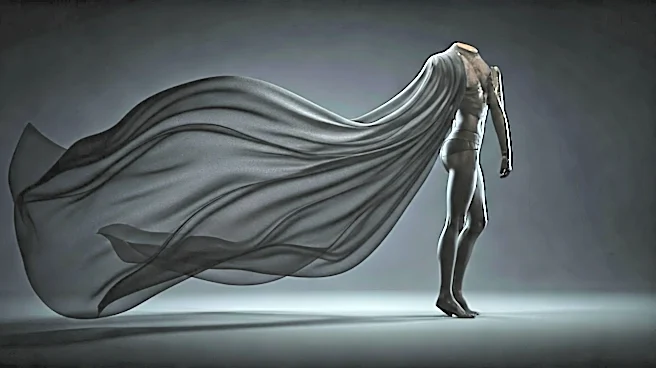
A well-chosen piece of outerwear can act as a frame for your sheer garment, containing its movement and highlighting its form. A sharply tailored blazer worn open over a sheer dress, for example, will emphasize the softness and drape of the fabric by contrasting it with its own rigid structure. The lapels and shoulders of the jacket create clean lines that guide the eye to the delicate piece within. Similarly, a long, structured coat can create dramatic 'reveal' moments, while a cropped jacket can help redefine the waist and balance the proportions of a flowing, sheer top. The key is to choose outerwear that complements, rather than competes with, the sheer item's design.
Master the Strategic Reveal
Not all sheer garments are completely transparent. Many designers use sheer panels, sleeves, or yokes to create architectural interest within an otherwise opaque piece. When styling these, the goal is to honor the designer's intent. If a dress features sheer balloon sleeves, don't cover them with a jacket. Instead, focus on what’s happening on the torso. If a skirt has a sheer panel at the hem, pair it with an ankle boot that stops just short of the panel to draw attention to it. This 'strategic reveal' is about understanding which parts of the garment are meant to be the focal point and ensuring your styling choices highlight, rather than obscure, them. It's a game of revealing and concealing that adds intrigue and sophistication.
Define the Silhouette with Accessories
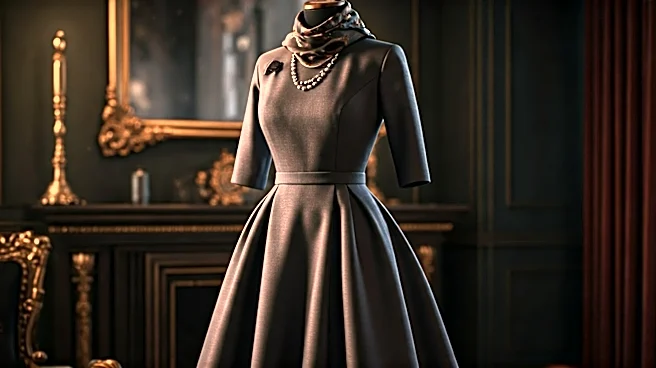
Sometimes, a sheer garment’s beauty lies in its voluminous, free-flowing shape, but it can still overwhelm the wearer's frame. This is where accessories become structural tools. A wide leather belt is the most powerful tool in your arsenal. Cinching it at the natural waist of a billowy sheer dress instantly reclaims your silhouette, creating an elegant hourglass shape while allowing the rest of the fabric to drape beautifully. This works for oversized sheer blouses, too. Additionally, a structured handbag or a piece of bold, sculptural jewelry can provide a solid anchor point, offering a pleasing contrast to the fabric's ethereal quality and grounding the entire outfit.