







The Anatomy of Pressure
The walk from the center circle to the penalty spot is arguably the loneliest journey in sports. The weight of a team, a nation, and millions of fans converges on one individual. Psychologically, the stakes are immense. Research shows that while players
score around 85% of penalties taken during the normal flow of a game, that number drops significantly in a shootout. The fear of being the one who fails is a powerful force. Studies reveal that players taking a kick to avoid defeat only succeed about 60% of the time, whereas those taking a kick to win the match convert over 90% of the time. It’s a textbook example of loss aversion: the pain of losing feels far more potent than the joy of winning, and that pressure can be crippling.
The Ghost of Pasadena
For many, the ultimate example of this phenomenon is Roberto Baggio at the 1994 World Cup final. Held at the Rose Bowl in Pasadena, California, the game between Italy and Brazil ended scoreless, leading to the first-ever World Cup final decided by a penalty shootout. Baggio, known as 'Il Divin Codino' (The Divine Ponytail), had been the tournament's standout player, single-handedly dragging Italy to the final with decisive goals. But with Italy needing to score to stay alive, their best player sent his shot soaring over the crossbar. The image of Baggio, hands on hips, staring down at the grass in disbelief as the Brazilians celebrated became an iconic symbol of sporting heartbreak. For years, a player widely considered the world's best was primarily remembered for that one failure, a wound he later said would never close.
The Slip in Moscow
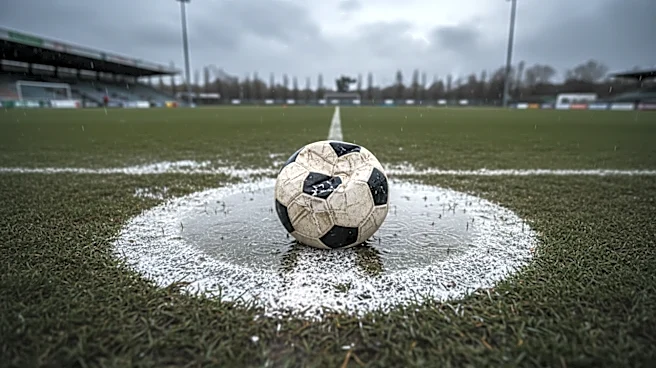
Fourteen years later, another captain faced a similar destiny. In the 2008 Champions League final in Moscow, Chelsea captain John Terry stepped up to take the fifth penalty against Manchester United. With Manchester’s star Cristiano Ronaldo having already missed, Terry had the chance to win Chelsea their first-ever Champions League trophy. But as he planted his standing foot on the rain-soaked turf, he slipped. The ball skewed off his foot and struck the post. Manchester United would go on to win the shootout. Terry, who wasn't even scheduled to be in the first five takers until another player was sent off, collapsed in tears. He later admitted the moment still haunts him, sometimes waking him up in the middle of the night. It became the defining image of his European career until his team finally won the title four years later, a victory he watched from the sidelines due to suspension.
Why We Remember the Fall
Why do these moments of failure stick in our collective memory more than the countless moments of success? It’s partly due to the narrative power of tragedy. The hero who stumbles at the final hurdle is a story as old as time. It’s dramatic, relatable, and deeply human. In the curated world of professional sports, where athletes often seem superhuman, a miss is a stark reminder of their fallibility. These moments are not just misses; they are plot twists. They provide a simple, albeit cruel, endpoint to a complex story. For every Brandi Chastain, whose successful penalty created a legendary image of triumph for the U.S. in 1999, there is an opponent for whom the same moment brought only tears. We remember the fall because it’s the moment the myth of invincibility shatters.