





The Mistake: Hanging Wet Knitwear
The primary culprit behind a stretched-out, misshapen sweater is deceptively simple: hanging it to dry. While it feels like a logical way to air-dry clothing, the rules change for knits. Whether it's a chunky wool cardigan, a delicate cashmere crewneck,
or a stylish cotton blend, hanging is the fastest way to ruin its structure. The weight of the water absorbed by the fibers combines with gravity to pull the garment downwards, permanently stretching the yarn. This is especially true for natural fibers like wool and cashmere, which are heavy when wet and have a delicate structure.
The Science of the Stretch
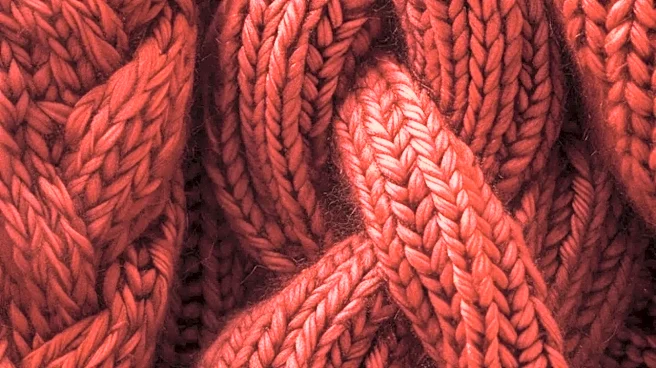
Unlike woven fabrics, which have a tight, grid-like structure of interlaced threads, knitwear is made from a series of interlocking loops. This is what gives sweaters their characteristic softness and stretch. However, when these loops are saturated with water, they become heavy and lose their resilience. Placing this weight on a hanger concentrates all the stress on the shoulder points. The loops begin to pull apart and lengthen, causing those tell-tale “hanger bumps” at the shoulders and an overall elongation of the body and sleeves. Once these fibers are stretched out, especially at the cuffs or hem, you can try spot-treating. Dip the stretched areas in warm water, gently reshape them with your fingers, and use a hairdryer on a low setting to help the fibers tighten up. A steam iron, hovered about an inch over the fabric, can also help coax fibers back into place, but never press the iron directly onto the knit.
How to Wash Knits Correctly
Proper drying starts with proper washing. The goal is to clean the garment without waterlogging it. Unless the care label says otherwise, hand-washing is the safest method. Use a basin of cool or lukewarm water and a gentle detergent formulated for wool or delicates. Submerge the sweater, gently swish it for a few minutes without aggressive rubbing or twisting, and let it soak for about 15 minutes. When you’re done, drain the sink and gently squeeze—never wring—the excess water out. Wringing can break or warp the very fibers you’re trying to protect.
The Right Way to Dry, Step-by-Step
To dry a sweater and preserve its shape, lay it flat. Start by placing the damp sweater on a large, clean, dry towel. Gently roll the towel up with the sweater inside, like a sleeping bag. Press firmly or even step on the rolled towel to absorb as much moisture as possible. Then, unroll it and move the now-damp sweater to a new dry surface. A mesh drying rack is ideal because it allows for air circulation on both sides, but another dry towel on a flat surface also works. Carefully reshape the sweater to its original dimensions, smoothing out the collar, cuffs, and hem before leaving it to air-dry completely, away from direct sunlight or heat.
Can a Stretched Sweater Be Saved?
If the damage is already done, there is some hope, though a full recovery isn't always possible. For sweaters that are only slightly misshapen, you can try re-wetting them and carefully laying them flat to dry, gently reshaping the fabric by hand as it dries. For more significant stretching, especially at the cuffs or hem, you can try spot-treating. Dip the stretched areas in warm water, gently reshape them with your fingers, and use a hairdryer on a low setting to help the fibers tighten up. A steam iron, hovered about an inch over the fabric, can also help coax fibers back into place, but never press the iron directly onto the knit.