








The Heart of Value: Moment vs. Movement
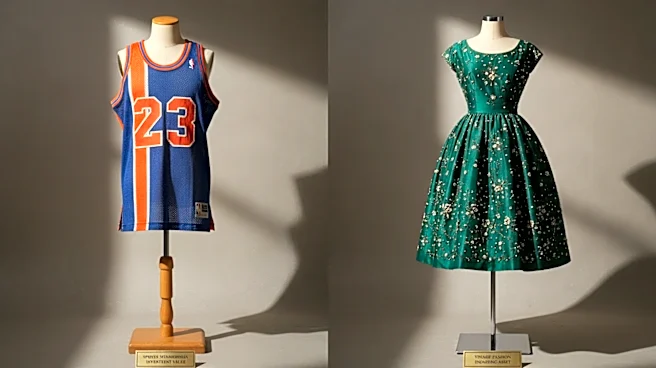
The core appeal of a game-worn jersey is its direct connection to a specific moment in history. Its value is tied to an athlete's performance during a particular game, making it a tangible piece of a story. Think Michael Jordan’s jersey from the 1998
NBA Finals or Diego Maradona's from the 1986 World Cup. The value drivers are clear: the player's fame, the significance of the game, and visible signs of use like stains or repairs that prove it was there. Essentially, you're investing in a historical artifact. Vintage fashion, conversely, derives its value from its place within a broader cultural movement. An archival Chanel suit or a Jean Paul Gaultier corset top represents a key moment in design history. Its worth is tied to the designer's legacy, the item's rarity, its craftsmanship, and how it represents a specific era. While a celebrity may have worn it, the value is primarily in the design's enduring influence, not a single event. It’s an investment in artistry and brand prestige.
The Authentication Gauntlet
For both asset types, proving authenticity is everything, but the processes are worlds apart. In the sports memorabilia market, the gold standard is photo-matching. This meticulous process involves comparing scuffs, marks, and loose threads on a jersey to high-resolution photos and video from the exact game it was supposedly worn in. Without this, or at least a rock-solid letter of authenticity from the team or a top-tier service like PSA/DNA, the value plummets. The market is rife with fakes, and a simple certificate from an unknown source is a major red flag. Vintage fashion authentication is more of an art form, relying on expert knowledge of a brand’s history. Authenticators scrutinize stitching techniques, fabric types, zipper brands (like YKK or Lampo), and the evolution of care labels and logos over decades. A vintage piece might have hand-finished seams or specific metal zippers used only before the 1960s. Fakes often betray themselves with modern polyester blends, sloppy stitching, or incorrect fonts on the tags.
Market Behavior and Volatility
The markets for these two categories operate on different rhythms. The game-worn market is highly event-driven and can be volatile. A player's induction into the Hall of Fame, a retirement announcement, or a popular new documentary can cause prices for their memorabilia to spike dramatically. It's a market fueled by nostalgia and current events, with the global sports collectibles market valued at over $26 billion in 2025 and projected to grow. The luxury resale market, expected to grow significantly by 2030, often behaves more like a traditional asset class. While trends shift, the value of pieces from iconic houses like Hermès, Chanel, or Rolex tends to appreciate more steadily, often retaining significant value against market fluctuations. The rise of quiet luxury and a focus on sustainable, timeless pieces has further bolstered demand for high-quality vintage that transcends fleeting trends. Younger generations, in particular, are driving this market, viewing pre-owned luxury as both an accessible investment and a sustainable choice.
The Investor's Mindset
Ultimately, the right choice depends on the investor's passion and expertise. A successful game-worn investor is often a sports historian at heart. They need deep knowledge of players, teams, and pivotal moments to identify undervalued opportunities before the rest of the market catches on. It requires diligent research and a readiness to act when specific events create a buying or selling opportunity. The vintage fashion investor is more of a design connoisseur and cultural archivist. Success here comes from understanding a designer's body of work, recognizing superior craftsmanship, and anticipating which eras or styles are poised for a comeback. It's less about reacting to daily news and more about cultivating a long-term perspective on what constitutes timeless style. Both require a keen eye and a passion for the story behind the item, but one is rooted in athletic achievement and the other in the enduring power of design.