






Sixty Years of Hurt
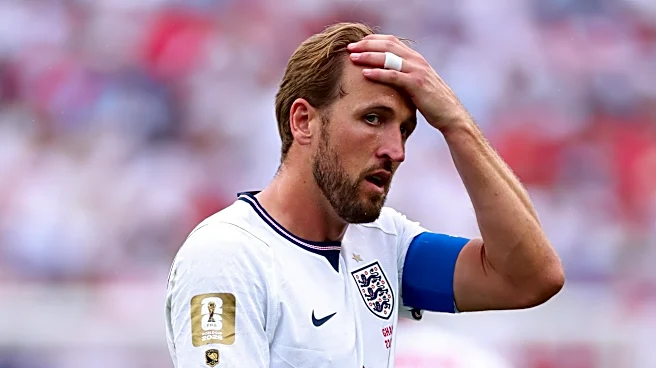
To understand the weight on Harry Kane’s shoulders, you have to understand 1966. It is the beginning and the end of every conversation about the England national team. The year they hosted and won their only World Cup remains the high-water mark of English
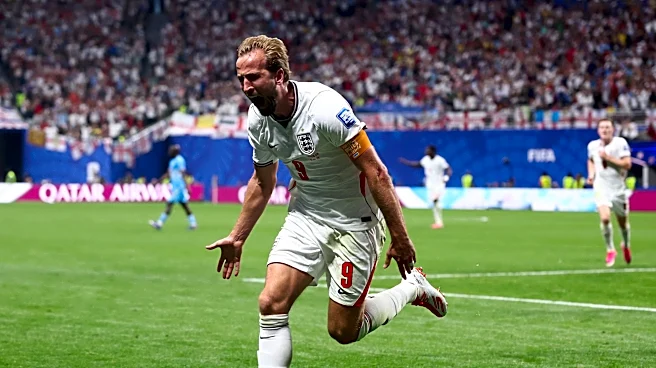
soccer. But it has also become a golden cage. Every tournament since has been viewed through its prism, a six-decade-long story of glorious failure, tragic near-misses, and excruciating penalty-shootout losses. From Paul Gascoigne’s tears in 1990 to Gareth Southgate’s own penalty miss in 1996 and a string of quarter-final exits, England has perfected the art of the painful departure. This history isn’t just a collection of results; it’s a core part of the national sporting psyche. It’s the hope that kills you. And into this dramatic, emotionally fraught landscape walks Harry Kane, a man who, at 32, is leading what many consider to be England's strongest squad in a generation during the 2026 World Cup.
The Anti-Tragic Hero
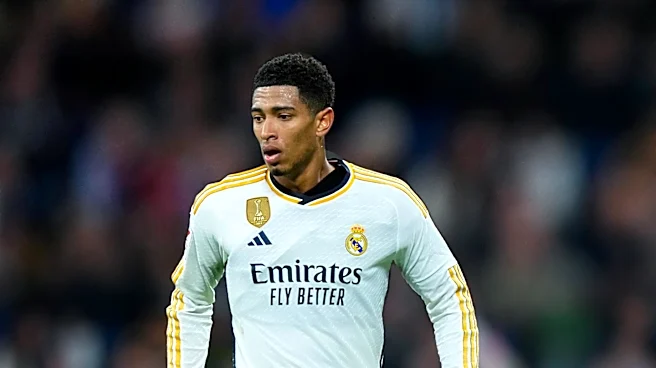
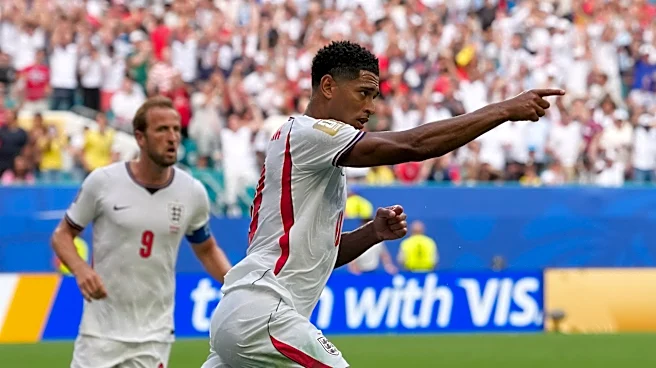
Harry Kane is not the flashy, flawed genius of English folklore. He is not a Gazza or a Rooney. He is a quiet, relentless professional whose career is a testament to dedication. He is England’s all-time leading goalscorer and, after moving to Bayern Munich, has finally added the major club trophies that eluded him at Tottenham. He arrived at this World Cup in the form of his life, having scored over 60 goals for his club in the season prior. And he has delivered, scoring six goals so far in the tournament, including crucial ones to drag England through tough knockout games. He’s done this while his younger teammate, Jude Bellingham, has also exploded with six goals of his own, forming a historic partnership. Yet, for all his individual records—including a Golden Boot at the 2018 World Cup—the one prize he and the country truly covet is the one that would end those 60 years of hurt. This tournament, with its aging superstars and heavyweight clashes, feels like his last, best chance to seize it.
Imagining the Unimaginable
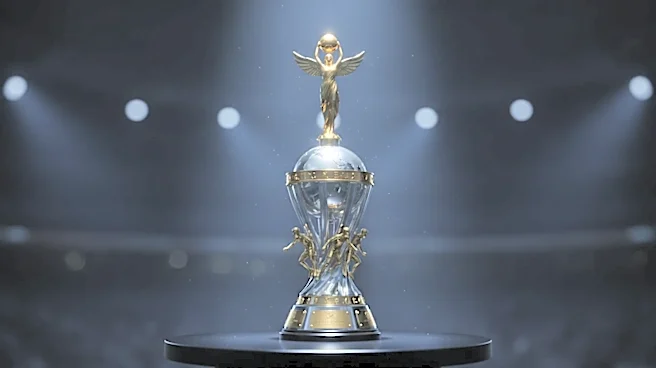
So, what if they actually do it? What if England, having scraped past Norway in a tense quarter-final, defeats Argentina in the semis and goes on to win the final on July 19th? It’s almost hard to picture because the narrative of failure is so deeply ingrained. The first thing is catharsis. Decades of pent-up frustration and anxiety vanishing in the single blow of a final whistle. The scenes across England would be of pure, unadulterated joy—a national release valve popping after 60 years of pressure. For Kane, the moment would be transformative. He would not just be a great goalscorer; he would be immortal, his name etched alongside Bobby Moore, the captain of the 1966 team. It would cement his legacy as arguably the greatest English player ever and almost certainly secure him the Ballon d'Or as the world's best player. It would be the perfect final act for a player who has given everything to the national cause.
The Morning After the Dream
And what happens next? After the parades and the celebrations, what does a triumphant England look like? For one, it loses its favorite punchline. The identity of English soccer, so wrapped up in longing and what-might-have-been, would have to be completely redefined. The “Two World Wars and One World Cup” chant would finally need an update. The win would be more than a sporting achievement; it would be a cultural moment providing a rare point of uncomplicated national pride. But it would also change the pressure. Future England teams would carry the burden not of failure, but of expectation. For Harry Kane, it would be the ultimate validation. No longer would his career be defined by what he hadn't won with his country. Instead, he would become the benchmark, the man who finally brought football home. The question that has haunted a nation for sixty years would be answered, and English soccer would be able to tell itself a new story.