







The Digital Domain: Volume Stages
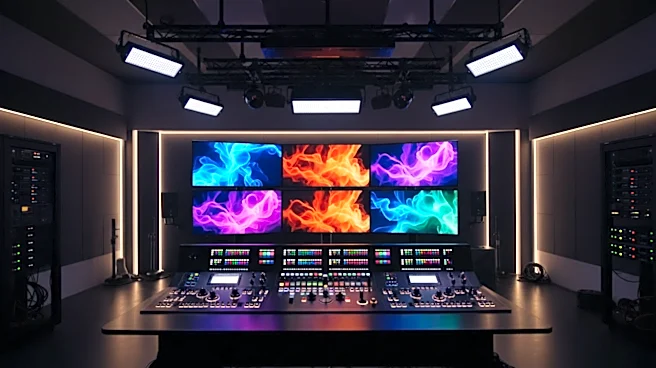
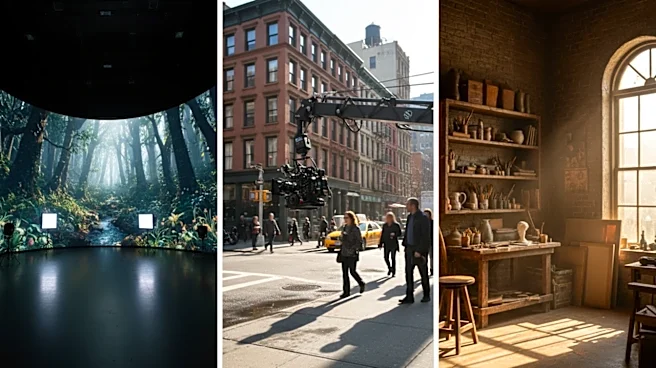
First, let's talk about the new heavyweight champion of sci-fi and fantasy: the Volume. This is the high-tech setup, famously used on shows like The Mandalorian, that involves surrounding a set with massive, high-resolution LED screens. These screens display
photorealistic, real-time backgrounds created in a game engine, allowing actors to perform inside a digital environment instead of in front of a green screen. The upfront cost is significant. Building a large-scale Volume can cost millions, and renting one can set a production back anywhere from $50,000 to over $100,000 per week. That price doesn't even include the most expensive part: creating the digital assets to display on the walls. However, the savings are on the back end. By bringing the location to the actors, you eliminate massive costs for travel, accommodations, and shipping for the entire cast and crew. You have perfect control over the environment—no weather delays, no waiting for the sun to be in the right spot. It also drastically reduces post-production time and expense, as the visual effects are captured in-camera.
The Authentic Approach: On-Location Shoots
Shooting on location is the traditional method, prized for its unparalleled authenticity. There’s simply no substitute for the real texture of a bustling city street or the grandeur of a mountain range. From a budget perspective, it can be a wild card. For a small, independent film shooting in an accessible public space, it can be the cheapest option. But for a major production, the costs spiral quickly. The location fee itself is just the start. A producer must budget for permits, which can range from trivial to exorbitant depending on the city. Then there’s the logistical mountain: flying the cast and crew out, housing them, feeding them, and transporting them to and from the set each day. Every piece of equipment has to be shipped. The biggest financial risk, however, is the lack of control. A week of bad weather can derail a schedule, costing a production hundreds of thousands of dollars in idle-crew time. For this reason, location-heavy budgets must include a significant contingency fund, often 10-20% of the total, just for the unexpected.
The Crafted World: Practical Sets
The third option is to build your world from scratch. A practical set, constructed on a soundstage, offers a near-total level of control without the high-tech price tag of a Volume. This is the go-to method when a specific, unfindable, or destructible environment is needed—think of a historic ballroom you need to set on fire or a quirky apartment that’s central to the plot. The main costs are physical: lumber, paint, and the skilled labor of carpenters, plasterers, and set dressers. Soundstage rental fees are also a major line item. While building a complex set can cost tens or even hundreds of thousands of dollars, it can be cheaper than a five-day shoot at an expensive real-world location. The key benefit is control. Lighting, sound, and access are all completely managed. Walls can be designed to fly away for better camera angles. And like a Volume stage, it’s immune to weather. The downside is that it can lack the organic feel of a real place, and it’s hard to replicate the sheer scale of an outdoor environment without it looking artificial.
Making the Call: A Producer's Dilemma
So which is cheapest? The real answer is: it depends entirely on the script. A sci-fi epic set on a distant planet would see huge savings with a Volume stage by avoiding impossible location shoots. A gritty, modern-day drama set in New York City gains authenticity and saves on set construction by shooting on its actual streets. A period piece requiring a specific 18th-century Parisian salon that no longer exists—or is too precious to allow a film crew inside—is a perfect candidate for a practical set build. The final decision isn't just a matter of comparing day rates. It's a strategic calculation weighing creative needs against logistical realities. The cost of travel and lodging for a 100-person crew for six weeks on another continent can easily eclipse the high rental fee for a Volume. Conversely, the cost of creating a digital replica of a simple suburban house for a Volume is far higher than just finding a real one to rent for a week.