







The Case for the Classic Suit
For one side of the aisle, draft night is the ultimate job interview. This perspective, often associated with a Boomer or Gen X mindset, holds that an athlete’s attire should signal respect for the league, their new employer, and the life-changing opportunity
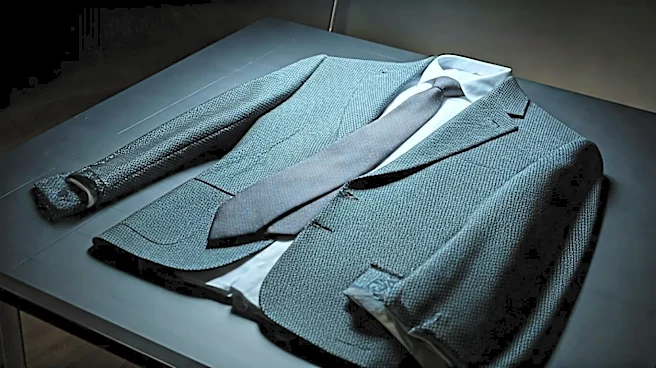
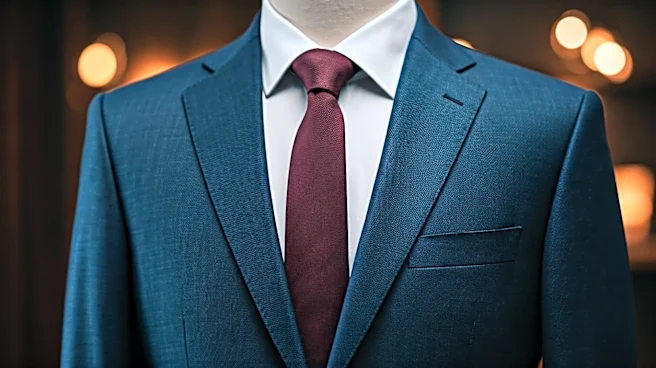
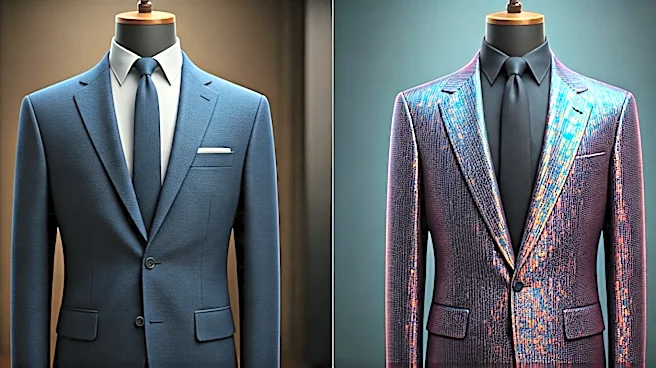
they’ve been given. The uniform here is the classic, impeccably tailored suit: dark navy or charcoal gray, crisp white shirt, conservative tie, and polished dress shoes. It’s a look that says, “I’m a professional, I’m serious, and I’m ready to get to work.” Think of a young Tim Duncan or a stoic Eli Manning. Their draft night attire was forgettable by design. The goal wasn’t to make a fashion statement but to project competence and maturity. This view is rooted in a corporate ideal where individuality is secondary to fitting into the organizational culture. A flashy suit, in this context, could be seen as a red flag—a sign of misplaced priorities or a lack of humility. The message is simple: you haven’t done anything yet. Let your game, not your glittery lapels, do the talking.
The Rise of the Viral Fit
Enter Gen Z. For athletes who grew up with social media, personal branding isn’t something that starts after you get the contract; it’s an integral part of your value proposition from day one. For them, the draft is not a job interview—it’s a product launch. The athlete is the product, and the red carpet is the first major marketing campaign. This is where the viral suit comes in. Whether it’s Zay Flowers’ jacket lined with images of his hometown flower, Sauce Gardner’s diamond-encrusted “SAUCE” chains, or CeeDee Lamb’s three-piece suit paired with shorts, the goal is to create a moment. This isn’t just about peacocking. A memorable look generates headlines, trends on social media, and builds an immediate connection with a young fanbase. It tells a story about who the athlete is—their background, their personality, their nickname. In an era of NIL (Name, Image, and Likeness) deals and player-driven media, a strong personal brand is a tangible financial asset. A classic navy suit might get a polite nod from team owners, but a suit that goes viral can lay the groundwork for endorsement deals before the player even puts on a team jersey.
It's About More Than Fabric
This stylistic tug-of-war isn’t really about fashion; it’s a proxy for a much larger shift in the power dynamics of professional sports. The “classic suit” mentality comes from an era where leagues and teams held all the power. Players were expected to conform, show deference, and be grateful for the opportunity. The institution was bigger than any individual. The “viral fit” generation operates under a different paradigm. Thanks to social media, athletes can build their own platforms and command their own audiences, giving them leverage they never had before. They see themselves not just as employees but as partners and media entities in their own right. Their draft night outfit is an assertion of this newfound power and autonomy. It’s a declaration that their personality and brand are part of the package, not something to be suppressed for the sake of corporate uniformity.
A Truce in the Style Wars?
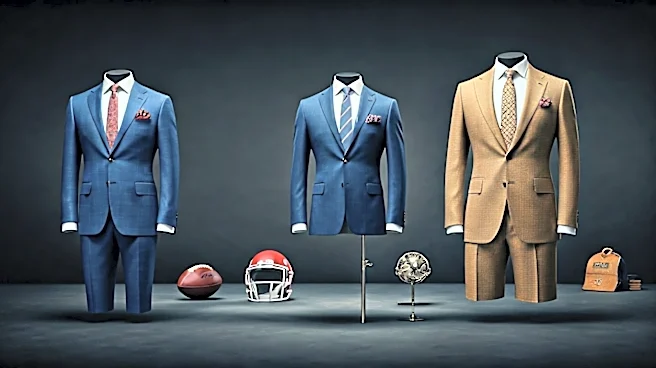
Interestingly, the smartest players are finding a middle ground. Top prospects like Victor Wembanyama have opted for sleek, fashion-forward suits that are elegant and modern without being gimmicky—a nod to both classicism and personal style. Others use subtle details, like custom linings or meaningful jewelry, to add a personal touch to a traditional silhouette. This approach satisfies the desire for self-expression while still projecting a polished, professional image. This hybrid strategy acknowledges the dual nature of the modern athlete. They must be dedicated team players on the court and savvy CEOs of their own brands off it. The suit, then, becomes a reflection of this balance—a garment that respects the history of the league while confidently signaling the future of its stars. The most effective outfits manage to do both at once, proving that you can honor the institution without erasing the individual.