







The Transactional Treadmill
In the world of professional Hollywood, networking is often a blood sport disguised as a cocktail party. It’s a landscape of forced smiles, transactional conversations, and the constant, low-grade hum of assessment. Who are you? What can you do for me?
Are you worth my time? This culture of “schmoozing” prizes the exchange of business cards over the exchange of ideas, leading to interactions that can feel inauthentic and exhausting. It’s a system built on the premise of climbing a ladder, where every new person is either a rung to step on or an obstacle to bypass. The goal is often immediate and explicit: get a meeting, pitch a project, make a contact that pays off now. This pressure-cooker environment fosters skepticism and can make building the trust necessary for true collaboration nearly impossible.
The Mountain Air of Authenticity
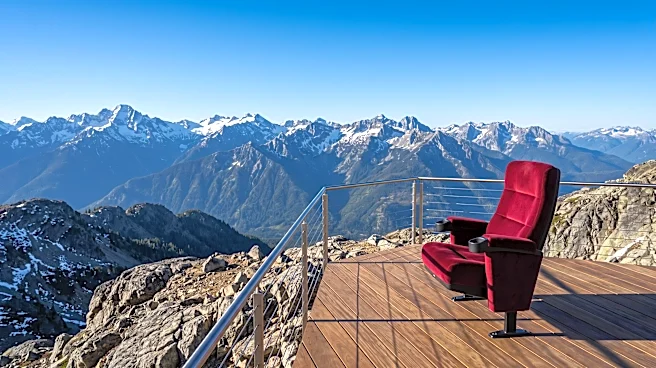
Then there’s Telluride. Each Labor Day weekend, a remote Colorado mountain town transforms into a haven for cinephiles. Unlike the sprawling, media-saturated circuses of other major festivals, Telluride is defined by what it lacks: no red carpets, no paparazzi, no official competition, and, crucially, no pre-announced film slate. Attendees arrive on blind faith, drawn by a shared, pure love of cinema. This creates a uniquely egalitarian atmosphere. You might find yourself in a coffee line with an A-list director, on a ski lift with a studio head, or debating a film with the person who secretly directed it. The rigid hierarchies of Hollywood dissolve at 8,750 feet. The focus is squarely on the art, not the deal, creating an environment where conversations start from a place of shared passion.
Lesson One: Connection Over Transaction
The first and most crucial lesson from Telluride is to prioritize connection before transaction. In Hollywood, the “ask” often comes first. In Telluride, it might not come at all. The festival’s structure naturally encourages conversations about the films themselves, creating a foundation of mutual interest. Relationships that begin with a spirited debate about a movie are inherently more resilient and authentic than those that start with a sales pitch. The film industry is ultimately collaborative, built on relationships that require trust. By leading with genuine curiosity and a shared passion—whether it’s for a specific film, a director’s vision, or the craft of storytelling—professionals can build a network grounded in respect, not just utility. These are the relationships that endure and lead to unexpected, organic opportunities down the line.
Lesson Two: Engineer Serendipity
Telluride’s magic isn’t entirely accidental; it’s a masterclass in engineered serendipity. The organizers have made deliberate choices to foster an intimate and focused environment. The remote location makes it a destination, not a drive-by. The small size and lack of a public schedule force attendees to be present and engage with what’s in front of them. They’ve created a space where running into someone influential is not a calculated maneuver but a happy accident. Hollywood can learn from this. Instead of massive, impersonal mixers, studios and agencies could create smaller, more curated events focused on a shared experience—a private screening, a workshop, a discussion around a specific topic. By designing environments that lower the social stakes and raise the potential for genuine interaction, the industry can create the conditions for the kind of serendipity that Telluride cultivates so effortlessly.
Lesson Three: Play the Long Game
Perhaps the most counter-cultural lesson Telluride offers is the power of patience. The Hollywood hustle is often about immediate results, but the connections made in the mountains are about planting seeds. A conversation started in Telluride might not bear fruit for years, but when it does, it's rooted in a real memory and a genuine interaction. This is the long game. It’s about building a community, not just a contact list. In an industry where reputations are built over careers, being known as someone who is thoughtful, curious, and easy to be around is more valuable than being the most aggressive networker in the room. Telluride reminds us that the most powerful relationships are not transactional but transformational, built slowly over time through repeated, positive, and authentic encounters.