




More Than Just a Pretty Stage
The massive, glittering sets of the VMAs aren't just backdrops; they are a primary vehicle for storytelling. In the fast-paced world of pop music, an artist's brand is everything. It’s their aesthetic, their lyrical themes, their public persona, and the emotional
core of their current musical era. The job of a VMA production designer is to translate that complex identity into architecture, light, and motion for a performance that might only last four minutes. The goal is to create an immersive world that feels like a living extension of the artist and their music video, giving the audience a deeper, more memorable experience. The show itself often has an overarching design theme, like the 2023 concept of soundwaves sculpting the arena, but individual performances get their own bespoke treatment.
From Mood Board to Main Stage
The journey from an idea to a physical VMA stage is a rapid, high-stakes collaboration. It starts months before the show, when production designers and creative directors begin conversations with artists and their teams. Surprisingly, designers often don't know the final list of performers until very late in the process. This means they must create a versatile and powerful overall show design first, which can then be adapted for specific acts. Once an artist is confirmed, the process accelerates. Their team provides a creative brief—mood boards, video concepts, and narrative goals. The production designer, like veteran Matt Steinbrenner, then works with art directors and fabricators to turn those concepts into buildable structures. Whether it’s Nicki Minaj’s dance club setting or a stage that evokes the feeling of an F18 fighter jet, the design must not only look good on camera from 22 different angles but also be assembled in a packed arena under immense time pressure.
The Language of Light and Screen
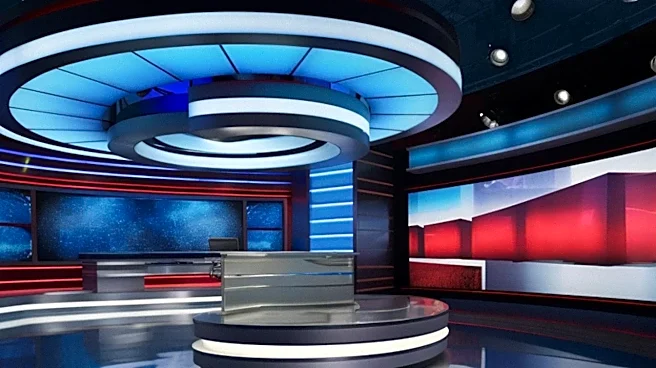
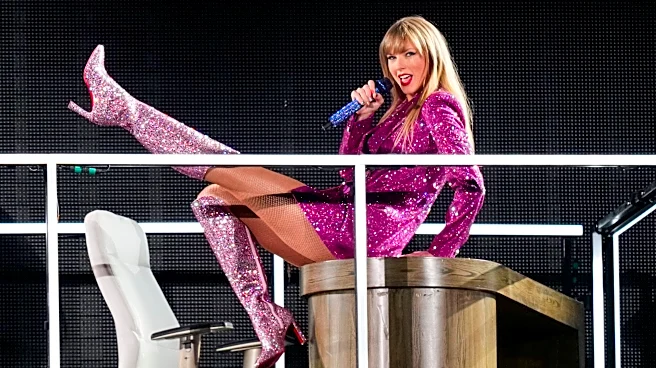
Modern VMA stages are technological marvels, built as much from light and pixels as from steel and wood. For the 2025 show, designers used anamorphic illusions on a colossal 50-foot LED wall to bring the iconic Moon Person to life, making it a dynamic character in the show. These massive screens, which can cover thousands of square feet of stage and floor space, aren't just for showing music videos; they create entire environments. This allows an artist like Sabrina Carpenter to seemingly rise from a digital world via a hidden stage lift or for a set to be completely transformed with graphics while another performance is happening on an adjacent stage. Lighting design is the other half of this equation, used to create intimacy, energy, and mood, ensuring the set feels immersive for the live audience and translates into a visually cohesive story for the millions watching at home.
Building a World for the Fans
In recent years, VMA design has increasingly focused on breaking the barrier between the artist and the audience. The 2024 show featured four separate stages, including a central fan stage that thrust into the crowd and a “Fandom Stage” situated within the audience tiers. This layout isn't just for logistical reasons; it’s a deliberate choice to make the fans feel like an integral part of the spectacle. By placing artists directly among their supporters, the design reinforces the idea that the VMAs are a celebration of pop culture created by and for the fans. This focus on intimacy in a massive arena setting is a key challenge, with designers using reflective materials and strategic stage placement to make the huge space feel more connected and to ensure every camera shot captures the energy exchange between the performer and the crowd.