
The Architects of Illusion
Long before the cameras roll on a spooky Halloween episode, the makeup department is deep in the trenches of creation. These unsung heroes of television are tasked with a monumental challenge: transforming familiar faces into something utterly unrecognizable,
often on a tight production schedule. It all begins with a concept, a collaboration between writers, directors, and the makeup department head. From there, artists sketch designs, sculpt models, and test materials to bring the vision to life. Unlike in film, where schedules can be more forgiving, TV makeup teams must create complex looks that are not only stunning but also durable enough to withstand long shooting days and can be reapplied consistently for continuity. This blend of artistry, chemistry, and logistical problem-solving is what makes their work so foundational to the eerie atmosphere of our favorite seasonal specials.
Adding a Lifetime in an Hour
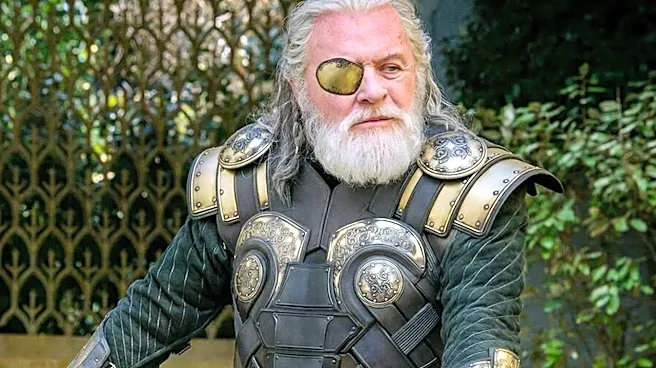
One of the most common yet difficult illusions is realistic aging. It’s far more than just drawing on a few lines. Professional artists use a multi-layered approach to sell the effect. A classic method is the “stretch and stipple” technique, where an actor’s skin is stretched taut while liquid latex is stippled on with a sponge. When the skin is released, the latex wrinkles, creating the texture of aged skin. But texture is only half the battle. Artists use highlight and shadow to create the illusion of sagging and volume loss in the face. By painting subtle dark tones in natural hollows and light tones on high points, they reshape the bone structure. The final touches include adding age spots with specialized pigments, thinning and graying hair, and even creating subtle discolorations on the skin to craft a believable portrait of a life fully lived.
Crafting Convincing Carnage
For a Halloween episode to have teeth, the horror often needs to feel real, and that’s where injury simulation comes in. Creating a believable wound is an art form that requires a solid understanding of anatomy. Makeup artists don't just splash on red paint; they build injuries in layers. Bruises are crafted with a symphony of colors—yellow, violet, maroon, and brown—to mimic the different stages of healing. For cuts and lacerations, artists often use flexible materials like gelatin or silicone-based prosthetics that move naturally with the actor's body. These pieces are blended seamlessly into the skin with adhesives before being painted with alcohol-activated colors to create depth and realism. The final, crucial element is the blood. Artists use different types, from thick, coagulated blood for clotting wounds to thinner, runny blood for fresh injuries, ensuring every gruesome detail supports the story.
From Human to Horror
The most dramatic transformations involve turning an actor into a full-blown creature. This almost always requires prosthetics, which are custom-sculpted pieces made of materials like foam latex or silicone. The process is intensive, starting with a life-cast of the actor's face or body to ensure a perfect fit. Artists then sculpt the monster's features in clay over this cast. A mold is made from the clay sculpture, and the final prosthetic is cast from that mold. Applying these pieces can take many hours. Artists meticulously glue each piece to the actor's skin, carefully blending the edges to make them invisible on camera. Only then does the painting begin, as artists use airbrushes and fine brushes to bring the creature's skin to life with color, texture, and detail. It’s this painstaking, multi-step process that allows a human actor to convincingly become an alien, a zombie, or any beast the writers can imagine.