







The Heritage Play
This is the safest and most respectable move in the book. If you have even a distant connection to a country, now is the time to embrace it. A Welsh grandmother? You’re suddenly fluent in the lore of the Dragons. A great-grandfather from Lisbon? You’ve
been a closet Portugal fan for years. It’s a move that’s nearly impossible to criticize. When an actor like Idris Elba, born in London to parents from Sierra Leone and Ghana, cheers for an African nation or England, it feels authentic. The key is to have a story ready. It doesn't have to be deep, just plausible. It immediately transforms you from a bandwagon jumper into a proud descendant returning to their roots. This strategy provides a built-in emotional connection that feels earned, even if the genealogical link requires a bit of an explanation at the pre-game party.
The Hometown Default
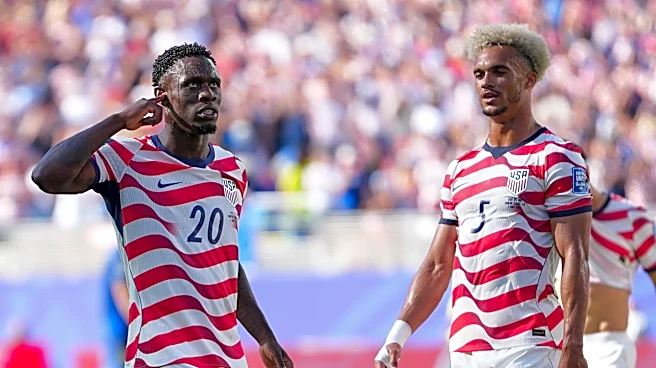
When the tournament is in your own backyard, this is the easiest call to make. With the United States co-hosting, rooting for the USMNT is the path of least resistance. It's patriotic, it's simple, and it requires zero explanation. Every celebrity at a U.S. game, draped in red, white, and blue, gets an immediate pass. It’s a move that says, “I’m supporting the home team,” which is a universally understood concept in sports. You don’t need to know the offside rule or the team's formation; you just need to know how to chant “U-S-A!” This is particularly effective for politicians and actors who have built careers on an all-American persona. The only risk? The crushing disappointment if the team gets knocked out early, leaving you to scramble for a backup plan. But until then, it’s the most straightforward path to being part of the national conversation.
The Narrative Investor
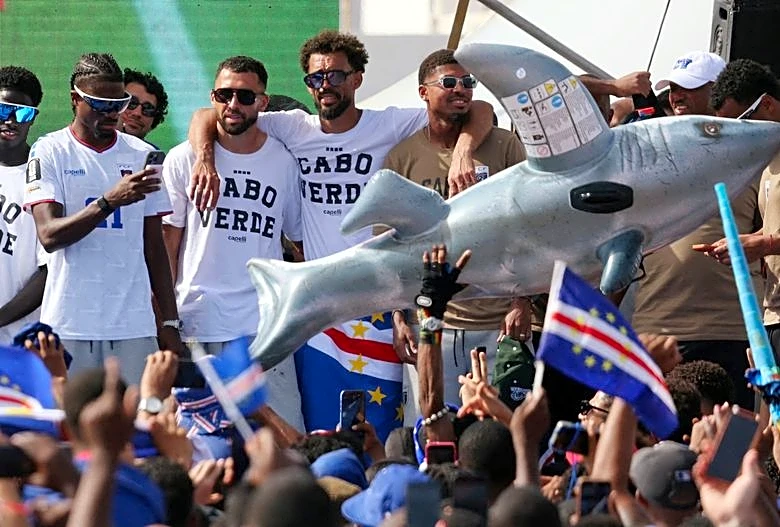
This is for the celebrity who fancies themselves a storyteller. Instead of picking a powerhouse, you hitch your wagon to a team with a compelling narrative. Are they the scrappy underdog that nobody believed in? Is their star player, a living legend, on his last-ever run for the trophy? Is the team reuniting a divided nation back home? These are the stories that make a tournament memorable. By aligning with a narrative, you’re not just a fan; you’re a connoisseur of drama. You appreciate the art of the struggle. This approach requires a bit more research—you need to actually know the story—but the payoff is huge. It shows you’re paying attention to more than just the final score, and it gives you a sophisticated talking point that immediately elevates you above the casual fray. You're not just watching a game; you're witnessing history.
The Single-Player Superfan
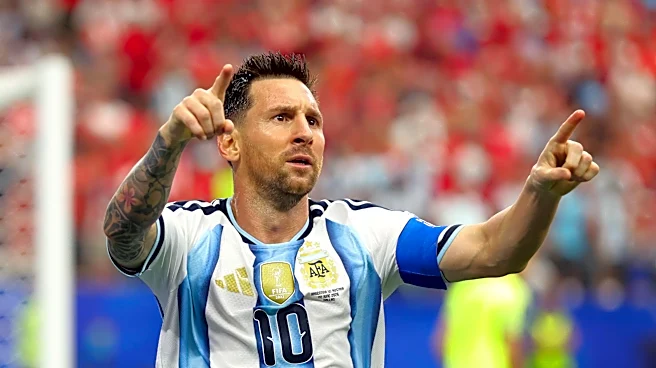
Can't commit to a whole team? Just pick a player. In a global sport, superstars transcend national borders. If you’ve been a longtime admirer of a specific player's career at their club, following their national team during the World Cup is a natural extension of that fandom. It’s a specific, defensible position. It also narrows your required knowledge base considerably. You don't need to know about the team's defensive frailties; you just need to know that your guy is a genius with the ball at his feet. This is the strategy of the specialist. It projects a sense of loyalty that isn’t tied to the fleeting success of a single tournament. It says you have taste and have been following the intricate storylines of the sport for years, even if you’ve only been following one chapter.
The Ultimate Power Move: Buy the Team
Of course, for the truly committed celebrity with capital to spare, there's a strategy that silences all critics: ownership. Why simply cheer for a team when you can sign their checks? This is the gold standard of non-casual fandom, perfected by the likes of Ryan Reynolds and Rob McElhenney at Wrexham AFC. When you own a piece of the club, your investment isn't just emotional; it’s literal. Will Ferrell at LAFC, Matthew McConaughey as Austin FC’s “Minister of Culture,” and Natalie Portman at Angel City FC have all demonstrated that putting your money where your mouth is provides the ultimate defense against accusations of bandwagoning. It's a move that is so audacious, so definitive, that it completely reframes the conversation. You’re no longer just a fan in the stands; you’re a stakeholder building a legacy. It's the celebrity equivalent of showing up to a potluck with a Michelin-star chef.