


The 2023 awards season belonged to Brendan Fraser. His triumphant comeback culminated in a Best Actor Oscar, but the journey was defined by something more potent than the performance alone: his speeches. Did his raw honesty truly change the game?
A Comeback Narrative for the Ages
Hollywood
loves a comeback story, but Brendan Fraser’s was different. After years away from the leading-man spotlight, his return in Darren Aronofsky’s ‘The Whale’ was more than just a new role; it felt like a restoration. Fraser, a beloved star of 90s hits like 'The Mummy' and 'George of the Jungle', had receded from public view, later attributing his absence to physical injuries from stunt work and a personal history that left him disillusioned with the industry. His re-emergence wasn't just as an actor promoting a film, but as a person audiences felt they knew, returning to a place he rightfully belonged. The campaign for 'The Whale' quickly became intertwined with this powerful personal narrative. Every standing ovation, from Venice to Toronto, wasn't just for the transformative performance, but for the man himself. It set the stage for an awards run that would lean not on slick marketing, but on a groundswell of public goodwill and genuine affection.
The Unpolished Campaign of Raw Emotion
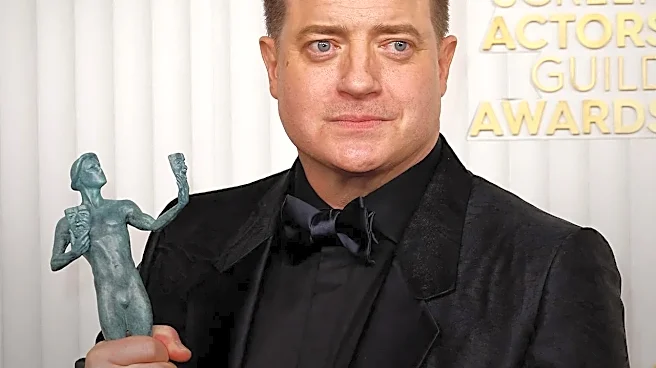
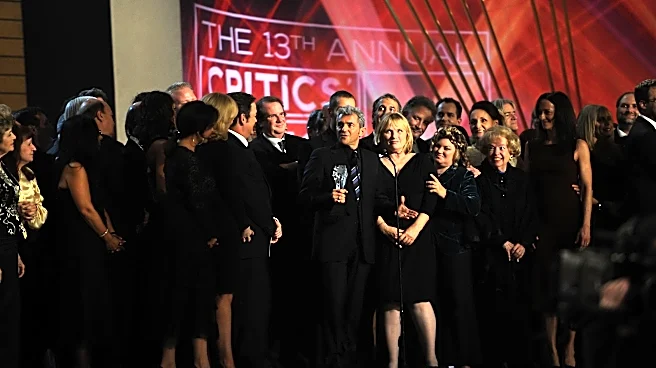
The modern awards campaign is a finely tuned machine of 'For Your Consideration' ads, strategic appearances, and polished soundbites. Brendan Fraser’s campaign threw out the playbook. In its place was a series of acceptance speeches that felt startlingly, beautifully unscripted. At the Critics Choice Awards, he was tearful, self-deprecating—joking, 'Where were you for Furry Vengeance?'—and deeply earnest. He spoke of being in 'the wilderness' and being found by his director. At the SAG Awards, he got choked up talking about the simple pride of receiving his union card in 1991. He spoke openly about riding a 'sea of hope' after being smashed on the 'ocean floor'. This wasn't the practiced humility of a seasoned nominee. It was raw, vulnerable, and deeply human. In an industry built on artifice, Fraser’s unfiltered gratitude and emotion became his most powerful campaign tool, resonating far beyond the voting members in the room.
Breaking the Traditional Awards Mold
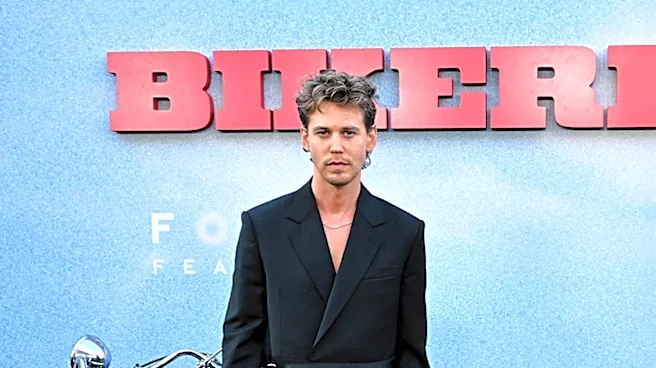
The 2023 Best Actor race was incredibly tight, primarily a contest between Fraser and Austin Butler for his celebrated turn in 'Elvis'. Butler’s campaign was a masterclass in the traditional method. He was praised for his immersive performance, for maintaining the Elvis persona, and his film was a box office hit with multiple Oscar nominations, typically a strong indicator of success. Butler secured the Golden Globe and the BAFTA, two major precursors that often predict the Oscar winner. Fraser’s path was less conventional. While he won the crucial Critics Choice and SAG awards, his campaign's momentum felt different. It was less about the film's overall dominance and more about a singular, personal connection. While Butler was lauded for disappearing into a role, Fraser was being celebrated for re-emerging as himself. His narrative offered something different: a chance for voters to participate in an act of collective support and redemption.
Voting With Heart, Not Just Head
Ultimately, the claim that Fraser's speeches 'reshaped' how the industry votes hinges on one simple idea: Academy voters are human. They, too, were watching those speeches. While the quality of the performance is the stated criteria, the emotional narrative can become an undeniable tiebreaker. His Oscar acceptance speech was the culmination of this journey. He spoke of how a facility he once took for granted had 'stopped', a poignant acknowledgment of his time away from the spotlight. By the time the final ballots were cast, a vote for Brendan Fraser felt like more than an endorsement of a single performance. It was a vote for second chances. It was a vote for rewarding vulnerability in a town that often discourages it. It was a feel-good ending that the industry, and the public, desperately wanted to write. Fraser’s win suggested that in a close race, the story behind the artist can matter as much as the art itself, creating a powerful emotional current that can steer the outcome.