


The 12-Minute Mirage
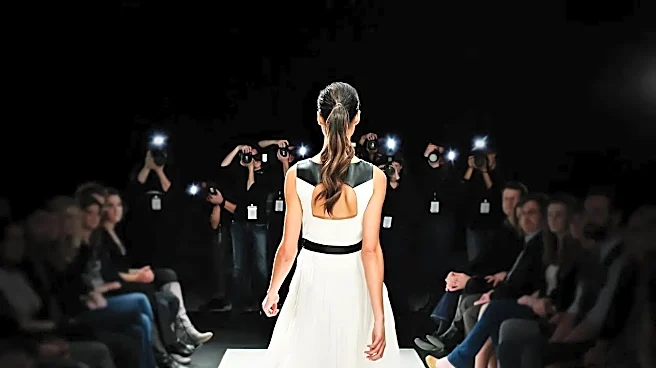
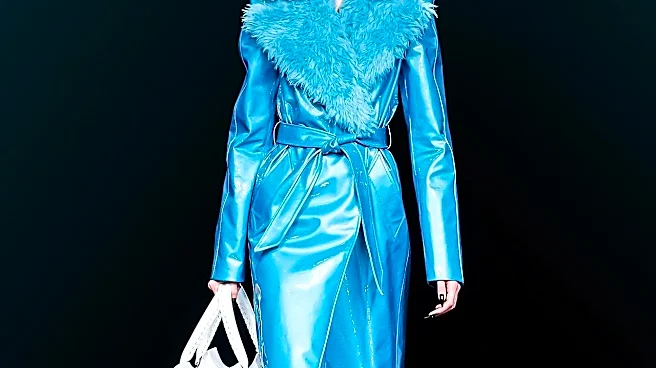
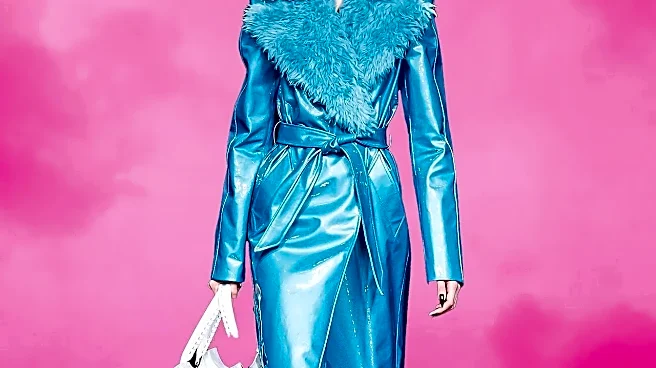
The average runway show lasts about 12 minutes. In that tiny window, a designer must communicate an entire season's worth of ideas. The moments that go viral—the unexpected accessory, the theatrical gesture, the perfectly-timed musical cue—feel like happy
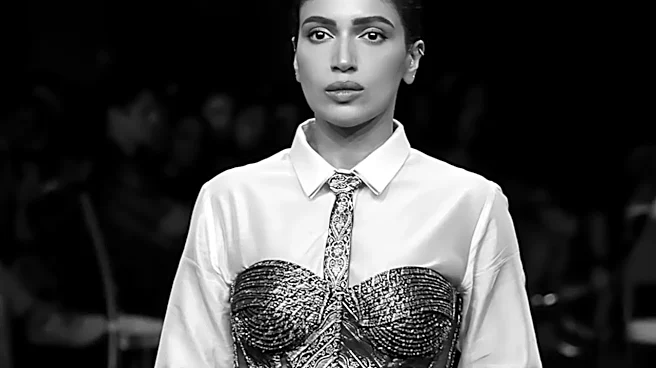
accidents. In reality, they are the final, meticulously planned beats in a production that often begins more than six months earlier. The 'chaos' viewers see is, in fact, a tightly controlled performance, orchestrated by a small army of professionals whose job is to make the difficult look effortless. Every detail, from a seemingly random smudge of makeup to the specific gait of a model, is workshopped, rehearsed, and engineered to create a feeling of authentic energy.
Six Months Out: The Idea Takes Shape
Long before a single model is cast, the process starts with an idea. Around six months out, a designer and their core team are deep in concept development. This involves creating mood boards, sourcing fabrics, and developing the unique prints or textures that will define the collection. It’s a period of research and imagination where the entire story of the show is born. Who is this character? What world do they inhabit? Answering these questions informs every subsequent decision. The color palette, the silhouettes, and the overall mood are established here, setting the blueprint for the 'spontaneous' attitude that will eventually walk the runway.
Three Months Out: Building the World
With the creative direction locked, the team expands. A show producer is brought on to manage logistics, from budgets to venue selection. A stylist joins to translate the collection's theme into specific looks, deciding how garments will be layered and which accessories will complete the story. Perhaps most crucially, the casting director begins their search for models who embody the spirit of the collection. They aren't just looking for a blank canvas; they're seeking individuals who can deliver that specific, hard-to-define energy—be it rebellious, joyful, or melancholic—that the designer wants to convey. That 'effortless' cool is a skill, and it's cast with precision.
The Final Month: The Manic Pursuit of Imperfection
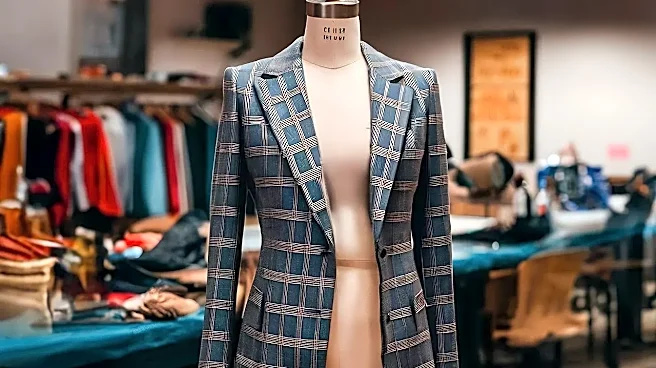
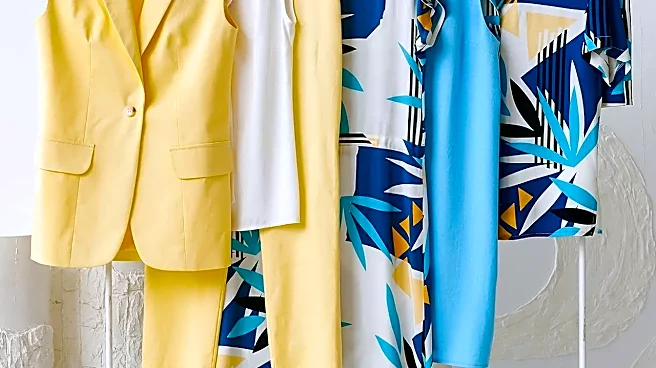
The weeks leading up to the show are a frenzy of activity. This is when samples are finalized, and fittings begin. A single look might be fitted on a model multiple times to ensure it moves exactly as intended. That artfully undone shirt? A stylist and their assistants have likely pinned and re-pinned it for hours. Designers often use mannequins to see how a garment falls and photographs, making endless adjustments before it ever touches a model. The hair and makeup teams conduct tests to perfect the beauty look, creating detailed visual guides for the day of the show. This is where the orchestrated spontaneity is perfected through relentless repetition.
The Day Of: Controlled Chaos Backstage
Backstage on show day is often described as pure chaos, but it's a highly organized version. The show producer and backstage manager run the floor with military precision, armed with a run-of-show document that scripts every second. Models arrive for their assigned hair and makeup slots, often rushing from another show. Dressers are assigned to specific models, sometimes responsible for lightning-fast 'quick changes' between looks. About thirty minutes before the show, the models are dressed and assembled for a final lineup. The lead stylist walks the line, making final tweaks—a popped collar here, a tucked-in shirt there—ensuring every pre-planned detail is in place before the first model steps into the light.