





The Mountain vs. The Metropolis
To understand the difference, you have to understand the geography. The Sundance Film Festival, held each January in Park City, Utah, is a cinematic retreat. You fly into a bubble. For ten days, the industry is removed from the world, bundled in parkas,
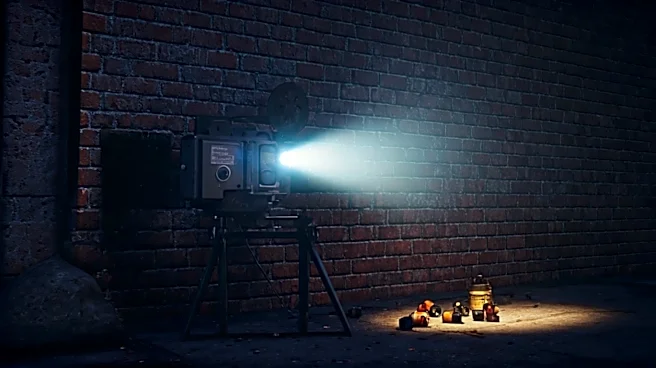
and focused on one thing: discovering the next big film or filmmaker. The altitude, the isolation, and the blizzard of hype create a pressure-cooker environment. A film doesn't just premiere at Sundance; it survives it. This model is incredibly effective for launching films with universal themes that can play anywhere from Peoria to Paris. Tribeca, by contrast, is not a retreat; it’s an immersion. The festival isn’t just *in* New York City; it *is* New York City. Screenings are spread across different neighborhoods, attendees spill out of theaters onto bustling streets, and the city’s relentless energy is the festival’s unofficial soundtrack. It doesn't ask you to leave your world behind. Instead, it invites the world—and all its modern distractions, from TV premieres to video game demos—to be part of the experience. This fundamentally changes the context in which a film is viewed.
Forged in Different Fires
Their origin stories explain everything. Sundance was founded by Robert Redford in 1985 as a haven for independent artists, a place to develop work far from the commercial pressures of Hollywood. Its DNA is rooted in artistic protection and the championing of a singular cinematic voice. Tribeca was born from a completely different impulse: civic recovery. Founded by Jane Rosenthal, Robert De Niro, and Craig Hatkoff in 2002, it was a direct, defiant, and deeply emotional response to the 9/11 attacks. Its mission was to revitalize Lower Manhattan by bringing people back to its streets through the power of storytelling. From its first year, Tribeca’s DNA has been intertwined with the resilience, diversity, and spirit of New York. It was never just about film; it was about using culture as a tool for community rebuilding. This foundational purpose gives it a unique claim on stories that explore the city's soul.
Defining the 'New York Story'
The headline specifies “certain” New York stories, and that distinction is crucial. This isn’t about a blockbuster like *Spider-Man* swinging through Times Square. It’s about films where New York isn’t just a setting but a character. Think of a documentary about the subculture of street chess players in Washington Square Park, a narrative film about a family running a bodega in Bushwick for three generations, or a historical piece about the 1970s Bronx. These are stories whose textures, conflicts, and resolutions are inseparable from the city’s ecosystem. A Sundance premiere for such a film can feel like presenting a delicate ecosystem under glass to an audience of outsiders. The film is judged on its merits as a piece of cinema, but its specific cultural frequency might not resonate as deeply in the Utah mountains. It becomes an artifact to be discovered rather than an experience to be shared.
The Home-Field Advantage
This is where Tribeca’s home-field advantage becomes undeniable. When a hyper-local New York story premieres at Tribeca, it’s not being presented to an audience; it’s being presented *for* its audience. The people in the theater—the critics, the industry players, the regular ticket-buyers—are the very people who live and breathe the world depicted on screen. They understand the nuances of a subway line reference, the significance of a neighborhood landmark, and the unspoken social codes of the five boroughs. The premiere becomes a communal event. The city itself participates. A film about the Lower East Side screening a few blocks from where it was shot carries an electric charge that’s impossible to replicate 2,000 miles away. For the filmmaker, it's not just a launch; it’s a homecoming. The story is being validated by the community it represents, which can be a more powerful and authentic starting point for its journey into the wider world.