



More Than a Concert, It's a Time Machine
The Essence Festival of Culture has long been a pilgrimage, a multi-day celebration of Black excellence. The 2026 lineup continues this tradition, featuring contemporary stars like Cardi B and Latto alongside foundational R&B and soul legends. This year,
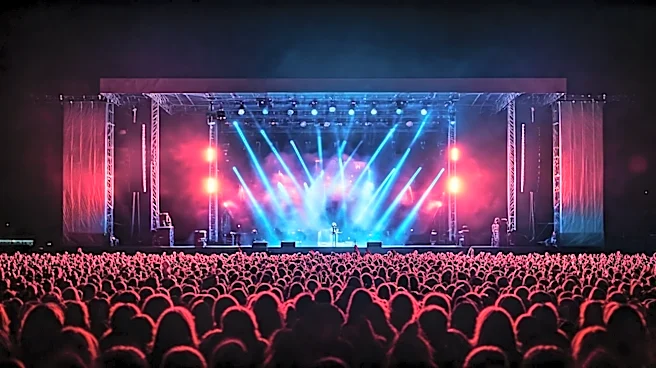
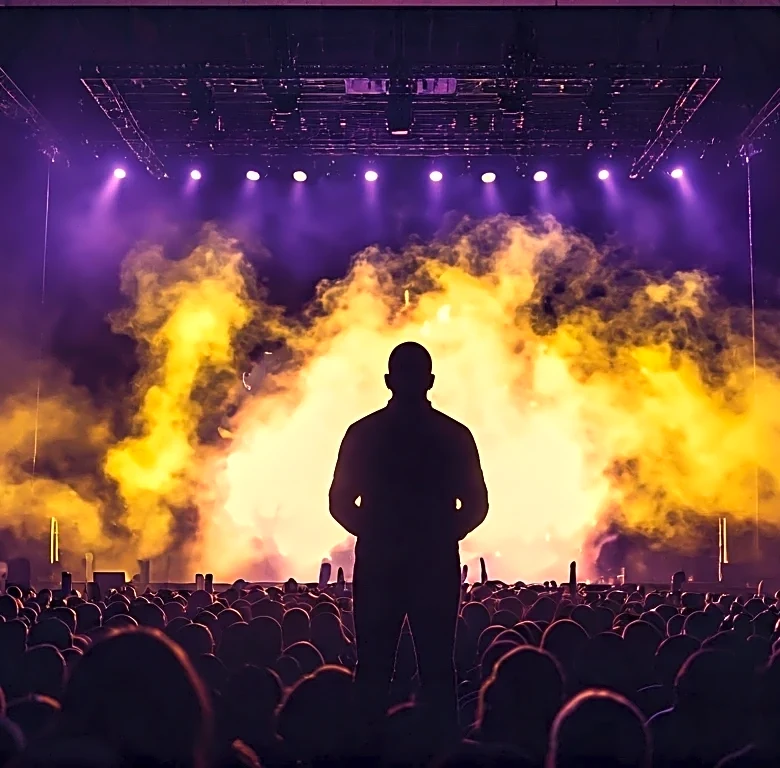
artists like Patti LaBelle, Babyface, Brandy, and Monica are set to perform. Also on the bill are hip-hop pioneers Public Enemy and the funk master George Clinton, who is celebrating 50 years of Parliament-Funkadelic's 'Mothership' with a host of special guests. It’s a powerful mix of generations under one roof at the Caesars Superdome. But looking past the incredible performances, you're seeing something else: a living, breathing demonstration of one of the hottest asset classes in the investment world—the legacy music catalog.
So, What's a 'Catalog' Anyway?
Think of an artist's catalog as their musical real estate. It's the collection of their past work—the master recordings and publishing rights—that generates income long after a song's initial chart run. Every time a classic track is streamed, played on the radio, used in a movie, or featured in a TikTok video, it earns royalties. For years, these collections of songs were seen as niche assets. Now, they're attracting billions from investors, private equity firms, and major publishers. Why? Because they offer something rare: stable, predictable, long-term revenue that isn't tied to the volatile swings of the stock market. In a world dominated by streaming, where older music now reportedly makes up the majority of consumption, owning the rights to timeless hits is like owning a blue-chip stock that pays dividends.
The Live Performance Multiplier
This is where Essence Festival's true power comes into focus. For an artist like Patti LaBelle or Babyface, a headlining festival slot is far more than a paycheck. It's a high-profile showcase that proves their music's enduring power to move a massive crowd. This live validation acts as a powerful multiplier for their catalog's value. A stellar performance can re-ignite interest across an entire discography, sending fans—new and old—to streaming services. It reminds Hollywood music supervisors of a song’s cinematic potential and demonstrates to brands that this music still resonates deeply with a passionate, engaged audience. These festivals are essentially live-action shareholder meetings, proving the asset's health and boosting its future earning potential.
From Nostalgia to Big Business
The market for these catalogs is booming. Blockbuster deals for the works of artists like Bruce Springsteen, Bob Dylan, and Whitney Houston have reached hundreds of millions of dollars. More recently, R&B and hip-hop catalogs are commanding massive figures, too. When an artist, their estate, or a rights holder decides to sell, the valuation is often determined by a multiple of the catalog's annual earnings. Festivals like Essence directly influence that multiple. They keep the music in the cultural conversation, introduce it to younger listeners, and prove its timelessness. The reunion of Brandy and Monica on stage isn't just a treat for fans; it's a reminder to investors of the cultural and financial weight their joint and individual catalogs hold. This isn't just about celebrating the past; it's about actively monetizing it for the future.