
The Hemline Index 2.0
You may have heard of the “Hemline Index,” a theory first floated back in the 1920s suggesting that skirt lengths rise with a booming stock market and fall during economic downturns. While it's not a formal
economic indicator, its central idea—that fashion reflects our collective confidence—persists. Think of the liberated, knee-baring flapper dresses of the Roaring Twenties versus the longer, more conservative styles that took over during the Great Depression. Today, that theory has expanded. It’s not just about skirts anymore. The volume of a sleeve, the sharpness of a shoulder, or the structure of a coat can all be read like tea leaves, offering a forecast of where our society is headed. The runways are, in essence, a mood board for the near future, and Paris is where the most influential statements are made.
This Season's Hemline: A Study in Contradiction
So, what are the hemlines from the just-wrapped Spring/Summer 2027 shows in Paris telling us? The verdict is intriguingly mixed. On one hand, we've seen a definite move toward longer, more grounded lengths. Chiffon skirts with long, shredded hemlines and midi-lengths have appeared in multiple collections, suggesting a shift away from the ultra-exposed looks of recent years toward a more polished and perhaps sober aesthetic. This aligns with the classic index theory that longer skirts signal a more cautious or conservative period. However, Paris also saw designers re-introducing the “mullet” or high-low hem—short in the front, long in the back—a throwback to the 2010s but with a lighter, sleeker feel for 2027. This playful asymmetry complicates the forecast, suggesting not pure optimism or pessimism, but a mood of complex duality.
The Story Told by Sleeves
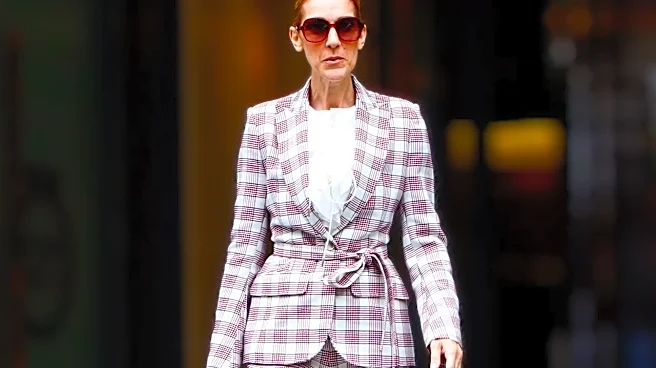
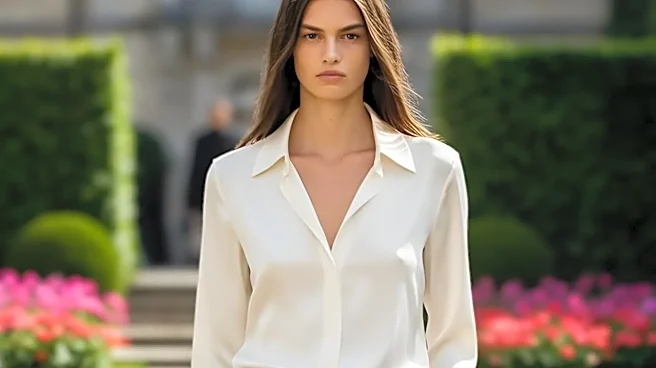
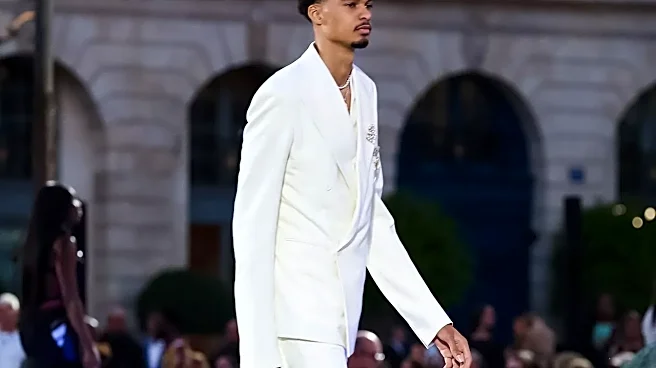
If hemlines are a mixed bag, sleeves and shoulders are telling a clearer story. The dominant trend on the Paris runways was structure and strength. Sharp, sculptural tailoring and rigorously buttoned-up coats with defined shoulders were a major through-line, seen at powerhouse labels. This points toward a desire for power and protection, a kind of sartorial armor for uncertain times. Yet, this severity was often balanced with softer, more feminine elements. We saw romantic, puffy blouses and whimsical, flouncy peplum tops sharing the runway with all that sharp tailoring. It’s a compelling contrast: the need to appear strong and capable, tempered by a yearning for comfort and romance. It reflects a world where we’re navigating a return to professional life while still holding onto the desire for personal expression and softness.
The Verdict: Cautious Optimism in Fabric Form
When you put the clues together, the forecast from Paris isn't one of unbridled euphoria or deep despair. Instead, it’s one of pragmatic, cautious optimism. The shift toward more wearable and polished aesthetics, as noted by fashion buyers, signals a move away from extreme, niche trends. The combination of strong, structured tailoring with romantic details suggests we're seeking both strength and comfort. The mixed hemlines—some long and cautious, others playfully asymmetric—capture this duality perfectly. We're not ready to declare a new roaring '20s with ultra-short skirts, nor are we retreating into floor-length gloom. Fashion is proposing a way forward that is both grounded and hopeful, armored and soft. It’s a reflection of a world that is complex, and a population that is learning to be resiliently, stylishly adaptable.