






The Age of the Team Blazer
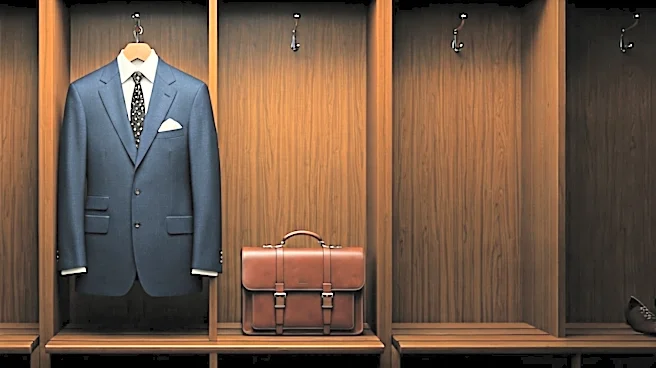
For decades, athlete arrivals were exercises in uniformity. From the 1950s through the 1970s, the standard was a team-issued suit or, more commonly, a blazer with the team’s crest stitched onto the pocket. Players traveled together and looked like it.
This wasn't about personal expression; it was about representing the organization. The message was clear: you are part of a unit, a clean-cut ambassador for the franchise. Think of old photos of Bill Russell’s Celtics or the Green Bay Packers of the Vince Lombardi era—men in matching jackets, carrying simple duffels. The individual was subordinate to the team, and their clothing reflected that buttoned-up, corporate ideal. Style was something you did on your own time, not on the company clock.
The Pioneers of Peacocking
The late '60s and '70s saw the first cracks in the wall of conformity, led by athletes whose personalities were too big to be contained by a polyester blazer. New York Jets quarterback Joe Namath became a national icon as much for his white cleats and sideline mink coats as for his Super Bowl guarantee. In the NBA, Walt “Clyde” Frazier turned the walk into Madison Square Garden into an event. With his wide-brimmed hats, bespoke suits, and Rolls-Royce, Frazier established the athlete as a style-setter. He wasn’t just dressing for the game; he was putting on a show. These figures were outliers, celebrated for their flamboyance. They demonstrated that personal style could be a powerful part of an athlete's brand, a way to connect with fans and build a persona beyond the stats sheet.
The Rise of Branded Casual
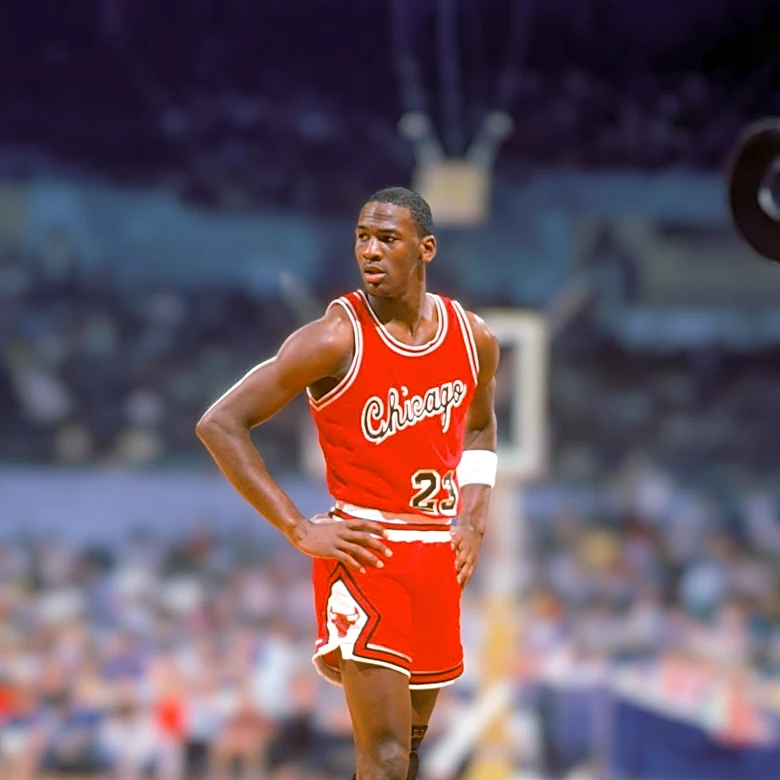
By the 1980s and '90s, the formal suit had largely given way to a new kind of uniform: the tracksuit. The explosion of sneaker culture and hip-hop’s influence pushed athletic wear into the mainstream. Michael Jordan didn't just sell shoes; he made the entire warm-up kit a fashion statement. Teams signed lucrative deals with brands like Nike, Adidas, and Champion, and players began arriving at arenas in comfortable, logo-emblazoned tracksuits and sweats. This was a different kind of uniformity—less corporate, more casual—but it was uniformity nonetheless. It was a practical, comfortable middle ground, reflecting the growing commercial power of both the leagues and their biggest stars, but still rarely a platform for avant-garde fashion.
The Dress Code and Its Unintended Consequence
The modern tunnel-fit era can be traced directly to a moment of backlash. In 2005, NBA commissioner David Stern instituted a league-wide dress code. Responding to the hip-hop aesthetic favored by stars like Allen Iverson—typified by baggy jeans, throwback jerseys, and jewelry—the league mandated “business casual” attire. The rule banned chains, do-rags, and shorts. While framed as a move toward professionalism, many players and critics saw it as a thinly veiled attempt to control the league's culture and image. But the league’s attempt to impose order had a revolutionary, unintended effect. Instead of falling in line with khakis and bland button-downs, players weaponized the dress code. They hired stylists, sought out luxury brands, and began competing to see who could be the most creative within the new rules. The mandate to be “professional” was reinterpreted as an opportunity to be fashionable.