



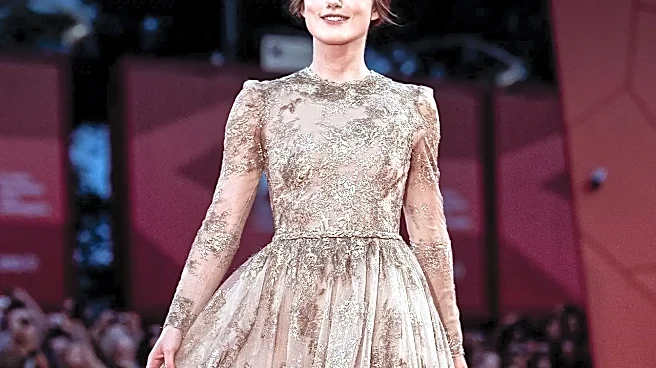

Confirming the Artifact's Identity
Before anything else, professionals verify the garment’s history. Is it a true 1950s Dior or a later reproduction? Stylists and archivists consult brand records, look for period-specific construction techniques, and confirm its provenance—the chain of ownership.
This isn’t just about authenticity; it’s about understanding the piece's cultural significance and its journey. Wearing a piece of fashion history is a status symbol that signals a deep understanding of fashion's lineage, making this initial validation crucial.
The Structural Integrity Stress Test
A vintage dress wasn't made for 2026 camera flashes and the subtle friction of a hundred selfies. Professionals conduct a thorough structural analysis, examining every inch of the garment. They check for fabric weakness, particularly in silks and other delicate materials that can degrade over time. Seams are inspected for strength, beadwork is tested to ensure threads aren't brittle, and zippers or closures are gently tested. This is a crucial damage assessment: can the dress survive being worn for several hours without tearing or losing embellishments? For extremely fragile pieces, this step determines if it can be worn at all.
The Art of the 'Invisible' Alteration
Unlike a modern gown, a historical piece cannot be permanently altered. You can't just cut and sew a 70-year-old dress to fit. Instead, stylists and tailors employ clever, completely reversible techniques. This might involve temporary stitching that can be removed without a trace or adding discreet panels that respect the original garment's structure. The goal is to make the dress fit perfectly for one night without compromising its integrity for future preservation, a process that requires immense skill and precision.
Building a Protective Barrier
The human body is a threat to antique fabric. Skin oils, perspiration, makeup, and perfume can cause permanent stains or accelerate decay. To combat this, professionals create a barrier between the celebrity and the gown. This often involves specialized underpinnings or dress shields sewn into the underarms. In some cases, a full, lightweight bodysuit might be worn. These measures are invisible to the camera but are essential for protecting the garment from the inside out, ensuring it returns to the archive in pristine condition.
The Movement Dress Rehearsal
A red carpet appearance isn't static. The wearer needs to walk, pose, sit in a car, and navigate crowds. The team stages a dress rehearsal to practice these movements. Can the celebrity comfortably get in and out of a vehicle without straining a seam? Does walking cause unexpected friction on a delicate fabric? This practice run helps identify potential stress points and allows the talent to understand the garment's limitations, preventing accidental rips or damage during the actual event. It ensures both the star and the dress look graceful in motion.
Executing the Logistical Gauntlet
Simply getting the dress to the red carpet is a major operation. Vintage couture is rarely just folded into a box. It's often transported on a custom bust form to maintain its shape and packed in specialized, acid-free materials. Stylists create a detailed logistical plan for its journey from the archive to the hotel and finally to the event. Every step is managed to avoid snags, crushing, or exposure to the elements. Once the event is over, the gown is meticulously inspected, documented, and returned with the same level of care, ready to be preserved until its next moment in the spotlight.