







Remember seeing flyers for the local haunted house tacked to a telephone pole? That world is gone. Today, you buy a ticket on your phone in minutes. The shift from offline ads to digital presales didn't just change how we buy—it rebuilt the entire business.
The Age of Radio Spots and Paper Flyers
Not long ago, marketing for a seasonal attraction like a haunted house was a scattershot effort. Operators blanketed towns with flyers, bought ads in local newspapers, and hoped their spooky-voiced radio commercials would cut through the noise. The goal was simple: get as many people as possible to show up and buy a ticket at the gate. This approach was defined by its limitations. It was impossible to know how many people would arrive on any given night, leading to either overwhelming crowds or disappointing lulls. Marketing budgets were spent with little to no data on what worked, and operators had almost no relationship with their customers beyond a cash transaction at the ticket booth.
The Digital Tipping Point
The transition began quietly with the rise of the internet but accelerated dramatically with two key developments: social media and accessible online ticketing platforms. Suddenly, event organizers had a direct channel to their fans. Instead of paying for a radio ad, a haunt could post behind-the-scenes videos of set construction or makeup tests on Facebook and Instagram, building a dedicated following long before October. Simultaneously, services like Eventbrite, Ticketleap, and specialized haunt-ticketing systems made it easy for even small operations to sell tickets online. This wasn't just a matter of convenience; it was a fundamental change in the business model. For the first time, haunt owners could secure revenue weeks or even months in advance.
The Modern Presale Playbook
Today's Halloween marketing is a sophisticated, data-driven operation centered on the digital presale. The strategy leans heavily on psychological principles like scarcity and 'fear of missing out' (FOMO). Operators create urgency by offering limited 'early bird' discounts, which reward loyal fans and kickstart sales. This tactic not only generates early revenue but also creates social proof; when people see that early tickets are selling, they're more likely to buy their own. The real game-changer, however, is timed ticketing. By selling tickets for specific entry slots, haunted attractions can control crowd flow, eliminate long lines, and guarantee a better guest experience. This model also allows for dynamic pricing—charging more for peak Saturday night slots and less for a Thursday, maximizing potential revenue.
From Ticket Sale to Customer Data
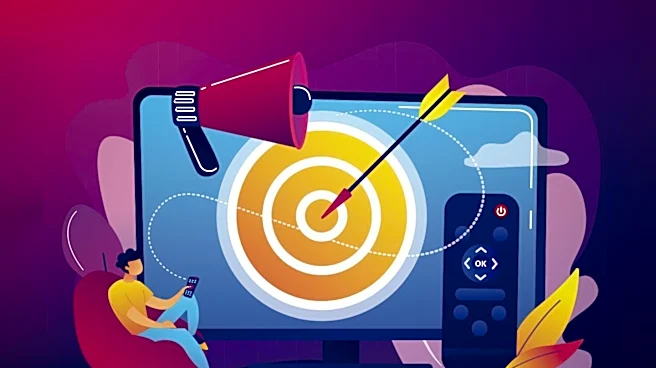
The shift to digital presales is about more than just upfront cash and crowd control. Every online ticket sale is a treasure trove of data. Organizers now know who their customers are, where they live, and when they buy. This allows for hyper-targeted advertising on platforms like TikTok and Instagram, reaching people most likely to be interested. It also builds a direct line of communication. That email address collected during a ticket purchase becomes part of a year-round marketing asset. Off-season emails can tease new attractions, offer exclusive return-customer discounts, and keep the hype alive, turning a one-time visitor into a loyal, repeat customer. The ticket is no longer the end of the transaction; it's the beginning of a relationship.