

The Accidental Stroke of Genius
It almost wasn't called 'Halloween' at all. John Carpenter and Debra Hill's original script was titled 'The Babysitter Murders', a generic, descriptive name that likely would have condemned it to the drive-in B-movie circuit. It was producer Irwin Yablans
who suggested setting the film on a single, terrifying night and naming it after the holiday itself. That decision was everything. The new title was simple, evocative, and universally understood. It didn't need to explain its premise; the name did all the work, instantly connecting the film to a specific time of year filled with dread, mischief, and the feeling that anything could happen in the dark. In marketing, this is gold. A title that is also a theme, a setting, and a feeling is an asset most studios can only dream of.
Owning a Piece of the Calendar
Other horror franchises have their icons—Freddy's glove, Jason's mask—but 'Halloween' has an entire season. Every year, as October 31st approaches, the film and its central boogeyman, Michael Myers, become culturally relevant by default. Media outlets run horror movie marathons, stores stock Michael Myers masks, and the very air seems to market the movie for free. While 'Friday the 13th' gets a bump on its titular day, Halloween is a global, month-long event. This seasonal ownership creates a recurring marketing window that is unparalleled in the genre. Disney even blundered by releasing its cult-classic 'Hocus Pocus' in July, learning the hard way that you can't fight the calendar; the film only found its audience once it became a perennial October staple. The 'Halloween' franchise never had to learn that lesson; its title baked the strategy right in.
A Brand That Forgives and Forgets
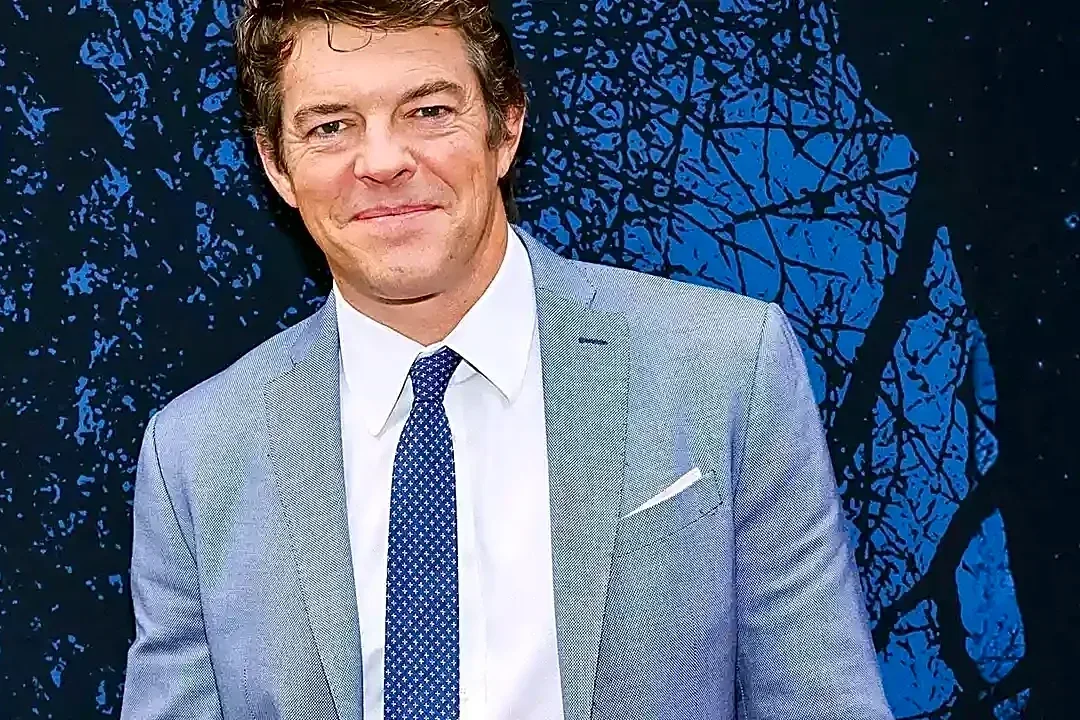
Let's be honest: the 'Halloween' franchise has had some spectacular lows. From the bizarre, Michael-less 'Halloween III: Season of the Witch' to the critically reviled 'Halloween: Resurrection', the series has repeatedly tested the patience of its fanbase. Yet, time and again, audiences return. Why? Because the core brand, anchored by that perfect title, is stronger than any single bad installment. The name 'Halloween' acts as a reset button. It allows new creators, like Blumhouse Productions with their successful 2018 sequel, to strip away confusing timelines and failed plotlines, returning to the simple purity of the original concept. The film that grossed over $255 million in 2018 wasn't just selling a sequel; it was selling the promise of 'Halloween' done right, a promise audiences understood because the core idea never left them.
The Shape of an Unbeatable Brand
Ultimately, the title works because it's a perfect container for its monster. Michael Myers is credited in the original film simply as 'The Shape'—a being without motive or complex backstory who embodies the primal fear of the unknown. The name 'Halloween' enhances this. It’s not 'The Michael Myers Murders'; it’s an event, a force of nature tied to a specific night. This fusion of a simple, powerful name with a simple, powerful villain creates what marketers call a distinctive brand asset. It’s a self-sustaining loop: the holiday reminds you of the movie, and the movie defines the feeling of the holiday. In a crowded marketplace of convoluted horror lore and forgettable titles, the enduring power of the 'Halloween' franchise proves that sometimes, the simplest idea isn't just a good one—it's a marketing advantage that can last a lifetime.