







It’s Not Just One Hair Type
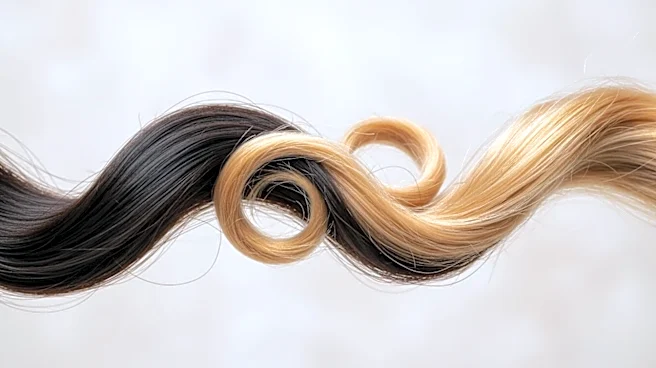
The first point of confusion is the term “biracial hair” itself. It’s not a single category but a vast spectrum. Genetics can produce a combination of textures on a single head, from looser waves at the crown to tight coils at the nape. This isn't an exception;
it's the norm for many. Stylists disagree on the fundamental approach because there’s no one-size-fits-all starting point. Some professionals break hair down by curl pattern (like 2C or 4A), porosity (how well hair absorbs moisture), and strand thickness. Others find this system too rigid, arguing that a more intuitive, section-by-section approach is necessary. This initial difference in classification—seeing hair as a uniform type versus a collection of unique zones—shapes every decision that follows, from the cut to the products used.
The Great Product and Technique Debate
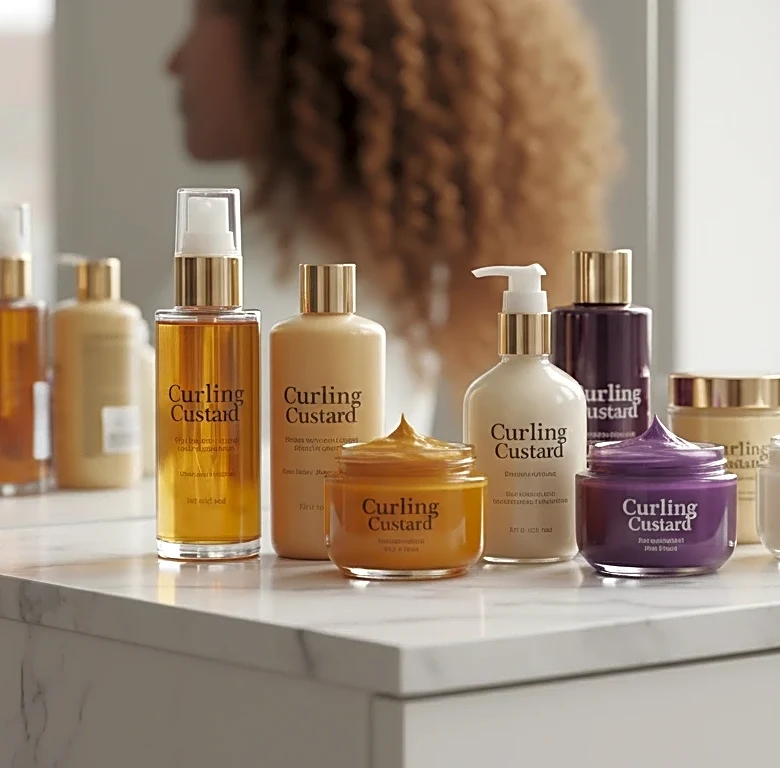
Disagreements over products are rampant. One camp of stylists champions minimalism, arguing that many parents and clients overuse heavy products, leading to buildup and weighed-down curls. They advocate for simple, water-soluble formulas and techniques like co-washing (washing with conditioner only). Another camp believes in a more-is-more approach, “cocktailing” multiple leave-in conditioners, creams, gels, and oils to define every curl and lock in moisture. The debate extends to heat, too. Some stylists view heat protectants and diffusers as essential tools for achieving a uniform style and controlling shrinkage. Others see frequent heat as a damaging crutch and push for heatless methods like twist-outs and braid-outs, emphasizing the long-term health and integrity of the hair's natural pattern.
A Major Gap in Professional Education
Perhaps the biggest reason for the disconnect is a systemic failure in cosmetology education. For decades, beauty school curriculums in the U.S. have prioritized straight, fine hair, often treating textured hair as an afterthought or a brief specialization. Many stylists graduate with little to no hands-on experience with coily, kinky, or multi-textured hair. They learn on the job through trial and error, which leads to inconsistent and often conflicting methods passed down from stylist to stylist. While some states like New York and Louisiana have recently passed laws requiring cosmetology schools to include textured hair training, the industry is still playing catch-up. This educational gap forces clients to vet stylists on their individual, often self-taught, expertise rather than relying on a universal standard of care.
Culture, Identity, and Unspoken Bias
Finally, the disagreement is rooted in culture and identity. The conversation around hair is never just about aesthetics; it's deeply personal. Some stylists and clients prioritize manageability and styling versatility, which may include straightening or looser curl styles. Others champion embracing and enhancing the hair’s natural state as an expression of identity. This can lead to philosophical divides, where one stylist’s recommendation to “tame frizz” is heard by a client as a critique of their natural texture. Furthermore, the language used around hair care can be a point of contention. The very term “biracial hair” offends some, who argue that it creates a false separation and that all curly hair faces similar challenges of dryness and breakage. These underlying cultural perspectives and personal histories shape how stylists approach their craft and communicate with their clients, creating another layer of potential disagreement.