
The Core Principle: Structure Over Slouch
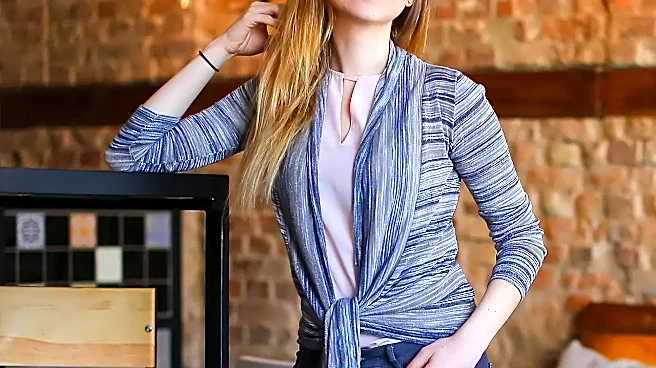
The problem with a lot of spring layering is that we often reach for soft, cozy pieces—think drapey cardigans, zip-up hoodies, or relaxed-fit knits—as our final layer. While comfortable, these items can
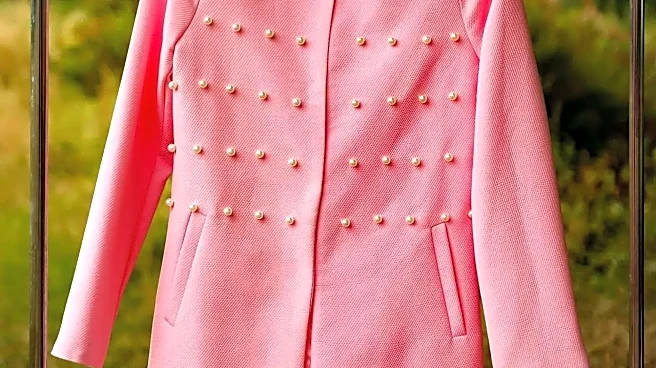
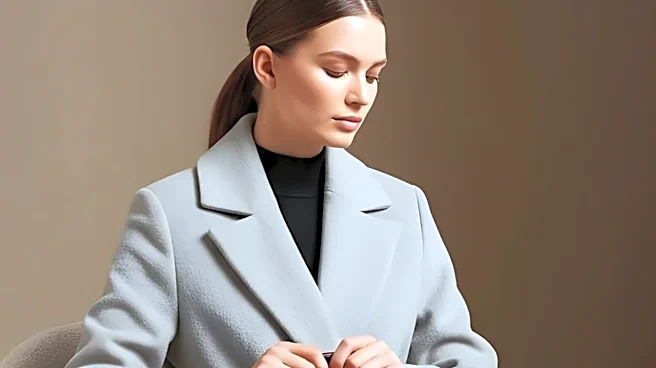
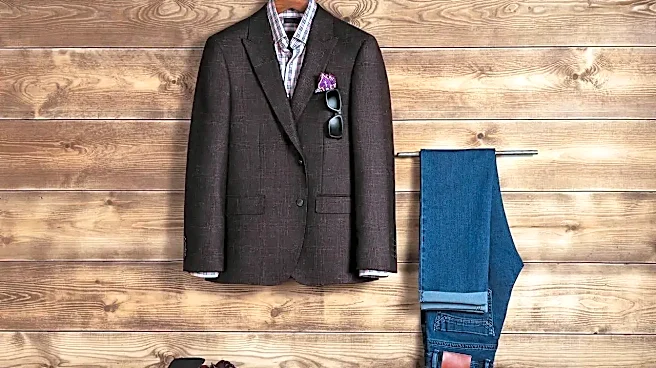
lack definition, hiding your silhouette and making an outfit feel unintentional. The headline's advice flips this on its head. It suggests that your final piece, usually a lightweight jacket or coat, should be the most 'structured' item in your look. 'Structure' here refers to garments that hold their own shape, featuring clean lines, defined shoulders, and tailored construction. Think of a classic trench coat, a crisp blazer, or a sharp denim jacket; these pieces have a distinct silhouette even when they’re hanging on a hook. This approach creates a polished frame for the softer layers underneath.
Why It Creates Such a Polished Look
This layering technique works because it creates visual balance. Soft inner layers, like a silk camisole or a fine-gauge knit, provide comfort and drape close to the body. When you top them with a piece that has a strong architectural shape, you get the best of both worlds: comfort on the inside, polish on the outside. A structured outer layer acts as a visual anchor, preventing the entire outfit from looking formless. It defines your shoulders and creates a clean, vertical line that elongates the body. Even if you're wearing a simple T-shirt and jeans, throwing on a well-cut blazer instantly makes the outfit look more put-together because the blazer's shape contains and refines everything else. This contrast between soft and structured is a fundamental principle of sophisticated styling.
Key Pieces for Mastering the Technique
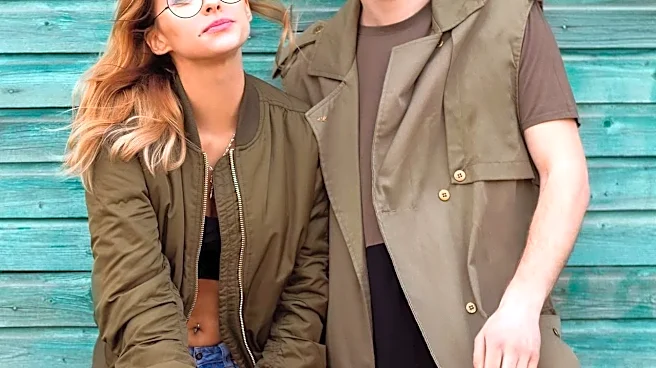
Building a small arsenal of structured, lightweight outerwear is the key to making this rule work for you. These are the versatile pieces that will instantly elevate your spring wardrobe: The Trench Coat: Quintessentially spring, the trench coat is the perfect example of a light layer with a strong shape. Its belt defines the waist, and its crisp fabric provides protection from the elements while looking timelessly elegant. The Classic Blazer: A blazer in a lightweight wool, cotton, or linen blend is a layering powerhouse. Whether single-breasted or double-breasted, its tailored shoulders and lapels provide instant structure to dresses, blouses, and even simple tees. * The Denim or Chore Jacket: For a more casual but still structured look, a classic denim jacket or a utilitarian chore jacket is an excellent choice. These pieces are typically made from sturdy cotton that holds its boxy, clean shape, offering a relaxed yet defined finish.
How to Put It All Together
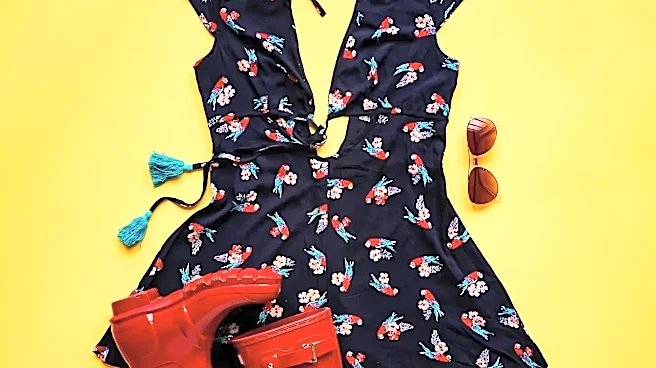
Applying this principle is straightforward. Start with your base layers, focusing on softer, more fluid fabrics. A simple cotton tee, a flowing midi dress, or a cashmere crewneck are all great starting points. Then, add your structured piece on top. For example, pair a floaty floral dress with a sharp, navy blazer. The blazer's clean lines will keep the dress from feeling overwhelming. Or, try a simple white T-shirt and straight-leg jeans, but finish the look with a classic tan trench coat. The coat becomes the focal point, creating a sophisticated silhouette. The goal is to let one piece lead the outfit structurally. By ensuring it's your outermost layer, you create a look that feels both effortless and impeccably styled, perfectly navigating those in-between spring days.