



The Longest Walk in Sports
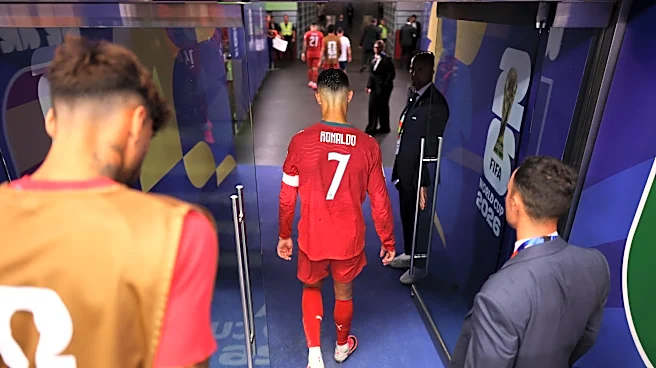
It begins at the center circle, a lonely procession toward the penalty spot. Teammates can’t help. The coach is a distant figure on the sideline. For this one moment, soccer, the ultimate team game, becomes a brutal, individual test. That walk is where
the mental battle begins. Experts note that players under immense stress often rush their preparation, a sign of anxiety. Research has shown that players who take their time, pausing for at least a second after the referee’s whistle, are significantly more successful than those who shoot almost immediately. That short journey is a physical manifestation of the isolation to come. The player is utterly alone with the weight of millions of hopes—or the terror of becoming the villain who costs them everything.
A Battle Against Your Own Brain
Taking a penalty should be simple. The goal is huge, the distance is short, and elite players can place a ball on a dime. Yet, during high-stakes shootouts, the success rate drops significantly from penalties taken in regular play. The reason is a psychological phenomenon colloquially known as “choking.” Under extreme stress, the body’s sympathetic nervous system kicks in, spiking heart rate and releasing adrenaline. This can compromise the fine motor control needed for an accurate shot. Neurological studies show that anxious players often overthink what should be an automatic skill, leading to increased activity in parts of the brain that interfere with practiced movements. The player isn’t just fighting the goalkeeper; they’re fighting their own mind’s impulse to panic and over-analyze.
The Goalkeeper's Mind Games
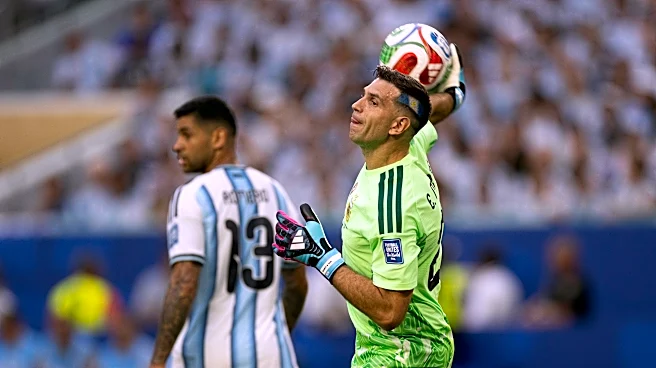
Standing in the goal, the keeper has a psychological advantage: they are not expected to make the save. All the pressure is on the kicker. Goalkeepers use this to their advantage, employing a range of tactics to create doubt. This can be anything from delaying the kick, trash-talking the opponent, or using subtle body language to suggest they know where the shot is going. Argentina's Emiliano Martínez is a master of this dark art, famously unsettling opponents in the 2022 World Cup final. His antics were so effective that soccer's rule-makers have since implemented new regulations to limit how much a goalkeeper can distract a penalty taker. Even a small hesitation or a moment of doubt created by the keeper can be enough to turn a confident strike into a career-defining miss.
The Hero-or-Goat Equation
The outcome of a penalty is brutally binary. Score, and you’ve simply done your job. Miss, and you risk becoming a national scapegoat for years. This concept, known as "loss aversion," suggests the fear of failure is a much stronger motivator than the prospect of success. For superstars, the pressure is even greater, as they carry the weight of public expectation. The history of the World Cup is littered with iconic misses from legendary players. Italy’s Roberto Baggio sending his shot over the bar in the 1994 final is perhaps the most famous example, a moment of heartbreak that defined a brilliant player's legacy. More recently, the racist abuse directed at three young Black players for England after they missed in the Euro 2020 final showed just how toxic the fallout can be. The stakes are not just professional; they are deeply personal and often cruel.