


Breaking Through the Noise
Imagine trying to get noticed in a room where hundreds of people are shouting. That’s the modern media landscape, and the fall TV season is the loudest time of all. By premiering at a festival like SXSW in March or the ATX Television Festival in June,
a new show can capture the undivided attention of journalists, critics, and industry tastemakers. This early debut allows a series to generate reviews, articles, and social media buzz months before dozens of other shows are competing for the same oxygen. It's a strategic way to build a narrative and a following, ensuring the show is already a topic of conversation by the time it gets a wider release.
The Irresistible Allure of Prestige
There's a reason high-fashion brands show at Paris Fashion Week. Being in the right place confers an instant halo of quality. The same is true for television. Premiering a series at a prestigious film festival—traditionally the domain of cinema—is a powerful statement. It signals that the show is more than just disposable entertainment; it’s an artistic achievement. For networks and streaming services, this “prestige play” is a form of brand-building. It helps position them as homes for high-quality, auteur-driven content, which in turn helps attract top-tier actors, writers, and directors for future projects. A spot at a festival like Sundance or the Toronto International Film Festival tells the world to take this TV show as seriously as a feature film.
Finding the Perfect Audience
Not all buzz is created equal. A key benefit of festival premieres is the ability to target a specific, highly engaged audience. A tech-centric thriller might find its ideal first viewers at SXSW, a festival known for its blend of technology and culture. A series deeply invested in the craft of television might feel right at home at the ATX Television Festival, which bills itself as "TV Camp for Grown Ups" for fans and industry pros alike. This strategy allows marketers to test a show with a curated group that is likely to be receptive. Positive reactions from this core group can then be leveraged to build momentum and attract a broader audience, creating a ripple effect of enthusiasm that a traditional marketing campaign struggles to replicate.
The Year-Round Content Hunger
The shift away from the September-to-May broadcast calendar is perhaps the biggest factor of all. This old model was a holdover from the early days of radio and television when networks would essentially take the summer off. That world is long gone. The rise of streaming services like Netflix, Apple TV+, and others has completely changed the game. These platforms are in a constant, year-round battle for subscribers and eyeballs. They need a steady stream of new, buzzworthy content to keep audiences engaged and prevent churn. Premiering a show at a festival in April and launching it on the platform in June fits this new model perfectly. It turns the premiere into a multi-month marketing event, creating sustained hype that a single launch date just can't match.
The Long Road to Awards Season
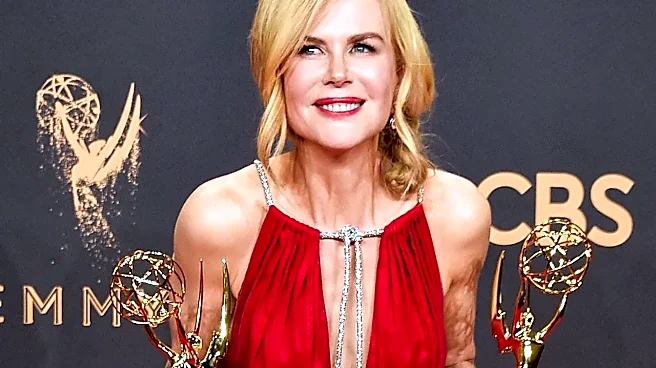
Finally, there’s the long game: awards. A well-received festival premiere is the unofficial starting pistol for a show’s Emmy or Golden Globe campaign. It creates an early narrative of critical acclaim and cultural importance that awards voters notice. For many studios, the cost of a festival launch is a strategic investment in earning nominations and wins, which not only validates the show but also enhances the prestige of the entire network or streaming platform. This early push gets the show on the radar of critics and guilds, ensuring it isn't forgotten when nomination ballots are sent out months later.