


The Shoulder Seam Is Everything
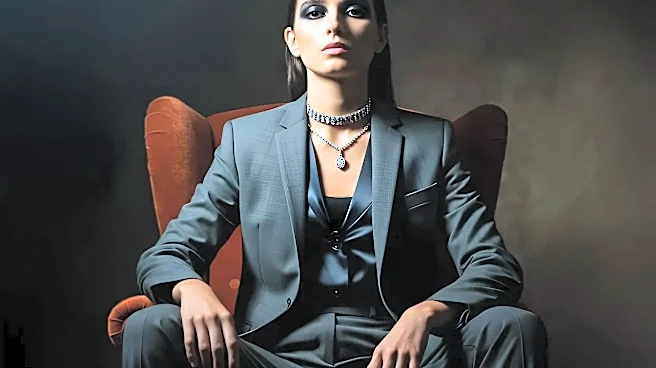
The term "oversized" is a bit of a misnomer. The goal is a relaxed, roomy silhouette, not a garment that's simply too big. The anchor point for this entire look is the shoulder seam. For a standard blazer, the seam should sit perfectly at the edge of your
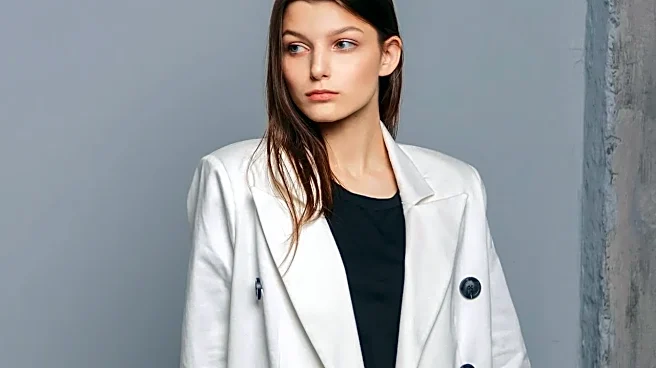
natural shoulder. With an oversized cut, you want it to drop slightly past that point, creating an intentionally broader line. However, stylists advise a controlled drop of only an inch or two. If the seam slides down your bicep, the blazer loses its structure and starts to look sloppy. A well-cut oversized blazer has this extended shoulder built into its design; you shouldn't have to size up excessively to achieve it. The shoulder should look purposefully extended, not collapsed.
Control the Sleeve Length
Once the shoulder is set, the next crucial checkpoint is the sleeve. An extended shoulder will naturally make the sleeve longer, but it shouldn't completely cover your hands. The ideal sleeve length on an oversized blazer should hit around the wrist bone, allowing your hands to be visible. Anything longer can overwhelm your frame and contribute to a feeling of being lost in the garment. If you find a blazer where the shoulders and body fit perfectly but the sleeves are too long, don't dismiss it. A tailor can easily shorten the sleeves, which is often the most worthwhile alteration you can make to a blazer. This simple adjustment preserves the intended drape while ensuring the proportions look deliberate.
Mind the Overall Length and Cut
The hemline of your blazer dramatically affects the overall balance of your outfit. Most experts suggest a length that hits anywhere from the mid-hip to the upper-thigh. This length provides the oversized feel without visually shortening your legs. For petite frames, a blazer that ends above the hip or mid-thigh can help elongate the body, while very long, knee-length styles can be overwhelming. Beyond length, consider the material. A blazer made from a stiff, thick fabric will create a boxy, structured shape, while one cut from a more fluid material like a wool blend or viscose will drape more softly over the body. The right fabric choice depends on the look you're trying to achieve, but a softer drape is often more forgiving.
Create Balance with What's Underneath
The most important rule for styling an oversized blazer is to create proportion. Since the blazer adds volume to your top half, the rest of your outfit should generally be more fitted. This contrast is what makes the look feel intentional. Pair your blazer with straight-leg jeans, tailored trousers, a slim-fit knit top, or a simple slip dress. This prevents the entire silhouette from becoming shapeless. While you can play with wide-leg pants, that look requires more careful balancing to ensure the waist is still defined. For a simple, can't-miss combination, start with a fitted T-shirt or tank and your favorite straight-leg jeans. It's a classic pairing that lets the blazer be the hero piece without any fuss.
Use Accessories to Define Your Shape
If you ever feel lost in the volume of an oversized blazer, accessories are your best tool for adding definition back into your silhouette. The simplest and most effective trick is to add a belt. Cinching the blazer at your natural waist instantly creates an hourglass shape and adds a touch of polish. This works especially well with longer blazers and can even allow you to wear one as a dress, provided the hem is long enough. Beyond belting, consider how other elements can help. Statement earrings can draw the eye upward, while a structured handbag can add a polished contrast to the relaxed fit of the jacket.