



The Anarchic Age of Odd Future
To understand Camp Flog Gnaw today, you have to picture it in 2012: a small, chaotic carnival outside a Los Angeles club. It wasn't just a music festival; it was a physical manifestation of the Odd Future Wolf Gang Kill Them All (OFWGKTA) ethos. The fans
were young, rebellious, and drawn to the crew's punk-rock, anti-establishment energy. They wore the signature colorful 'OF' merch, knew every lyric to controversial tracks like 'Yonkers' and 'Tamale', and reveled in the shock value and mosh pits that defined early Odd Future shows. The lineup was a family affair, featuring OF members like Earl Sweatshirt, Domo Genesis, and The Internet alongside a few adjacent acts. This era was for a specific type of insider—a fan who felt a deep, personal connection to the 'us-against-the-world' mentality that Tyler and his collective championed.
The Artistic Pivot of Its Creator
The single biggest driver of the festival's changing fanbase is the artistic evolution of Tyler, the Creator himself. He transitioned from the abrasive, horrorcore-inflected rap of his early albums to the sun-drenched, melodic soul of 'Flower Boy', the character-driven synth-pop of 'IGOR', and the luxurious grandeur of 'Call Me If You Get Lost'. As Tyler's musical palette broadened, so did his audience. He was no longer just the enfant terrible of hip-hop; he became a genre-defying artist, a fashion icon with his Golf le Fleur line, and a sophisticated curator. His personal growth from a provocative teen to a celebrated, multifaceted artist meant that the festival, his brainchild, had to grow with him. It could no longer just be the Odd Future carnival; it had to become a reflection of his expanding creative world.
From Niche Lineup to Global Playlist
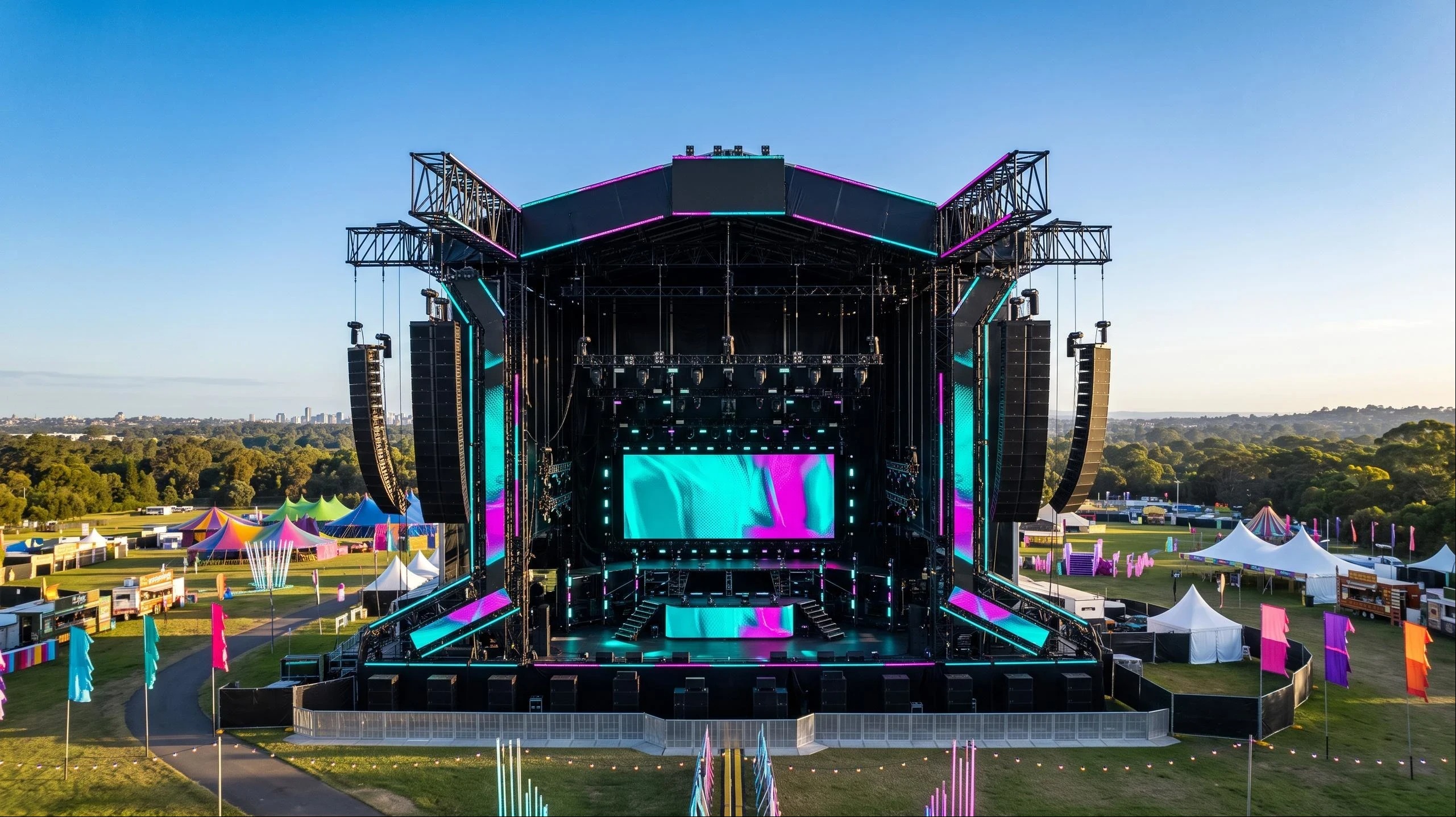
As Tyler's tastes evolved, so did the festival's booking philosophy. The early, hip-hop-centric bills gave way to sprawling, eclectic lineups that felt like a manifestation of Tyler's personal Spotify playlists. Recent years have featured headliners as diverse as SZA, Lana Del Rey, Kendrick Lamar, and Turnstile alongside R&B singers, indie darlings, and experimental pop acts. This musical diversification was a deliberate move. By partnering with festival giant Goldenvoice, Tyler scaled the event up, turning it into a premier L.A. institution that could attract 40,000 people to Dodger Stadium. Booking a wider range of artists naturally attracted a wider range of fans. People who might not have connected with Odd Future's early sound were now coming for Kali Uchis, Lil Yachty, or The Hillbillies. The festival became a destination for general music lovers, not just Tyler die-hards.
The New Generation of Flog Gnaw Fans
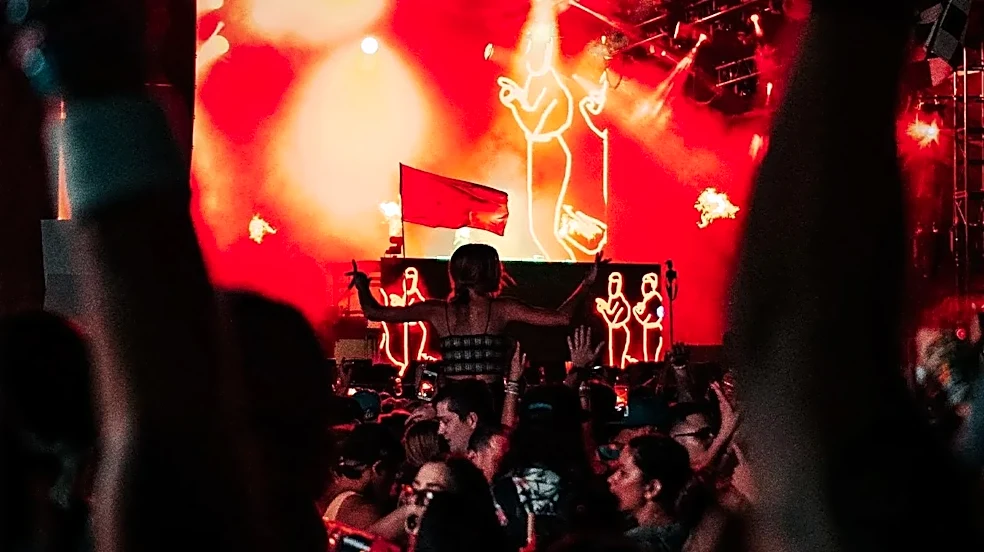
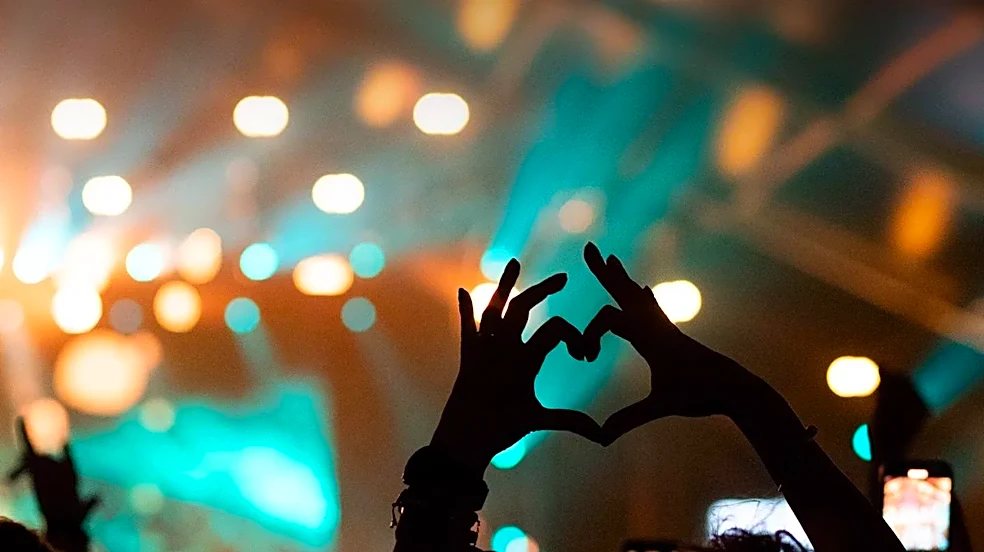
Walk through Camp Flog Gnaw today and you'll see a different crowd. While the 'OG' Odd Future fans are still there, many now in their late 20s or 30s, they are a minority in a sea of younger, fashion-forward attendees. Today's fan is more likely to be documenting their meticulously planned outfit on TikTok than diving into a mosh pit. They might be there primarily for Ice Spice or Steve Lacy, with little knowledge of the 'Free Earl' chants that once defined the subculture. This isn't a criticism, but a reflection of a cultural shift. The aesthetic has morphed from skate-wear and DIY merch to a more curated style influenced by Tyler's own high-fashion evolution with Golf le Fleur. The unifying principle is no longer just the chaotic energy of Odd Future but a shared appreciation for the broader cultural world Tyler has built—a world of music, fashion, and unapologetic creativity.