




A 'Festival of Festivals' for Londoners
The London Film Festival (LFF) was born from a simple observation in 1953: major European cities like Cannes and Venice had world-renowned film festivals, but London didn't. Four years later, the British Film Institute (BFI) launched the first LFF with
a clear, modest goal. It was designed as a 'festival of festivals', screening a small, curated selection of films that had already won awards at other international festivals. Its purpose was not to host splashy world premieres or facilitate industry deals, but to give the British public a chance to see acclaimed international cinema, like Akira Kurosawa's 'Throne of Blood', which opened the first edition. For decades, it remained primarily an audience-focused event, a cultural celebration rather than a marketplace.
The Deliberate Pivot to Industry Player
The shift from a public showcase to an industry powerhouse wasn't an accident; it was a strategic evolution. While the festival had long been respected, it wasn't considered a must-attend event for global dealmakers in the same league as Sundance or Cannes. Recognizing this, the BFI began a deliberate transformation. The leadership of directors like Sandra Hebron, and later Tricia Tuttle, was pivotal. They introduced formal competition awards in 2009 to raise the festival's profile and began layering in industry-specific programming. Tuttle, in particular, accelerated this change, launching dedicated sections for series television and immersive XR projects, and expanding the festival's footprint across the UK. This created a more dynamic event that catered not just to cinephiles but to all sectors of a rapidly changing screen industry.
Building the Modern Marketplace
Today's LFF is built on a robust industry-facing infrastructure. The key component is the Industry Forum, a week-long program of keynotes, panels, and networking events for accredited professionals. This isn't just about talk; it's about business. The festival now hosts a Works-in-Progress Showcase, where filmmakers present exclusive clips to international buyers, sales agents, and distributors. It also runs UK Talent Days, connecting British creatives with global partners, and a 'Buyers and Sellers' event for distributors and sales agents to meet directly. These initiatives, supported by major studios and streamers, provide concrete opportunities for financing, distribution, and collaboration, making a trip to London essential for anyone looking to get a film made or sold.
Balancing Act: Art and Commerce
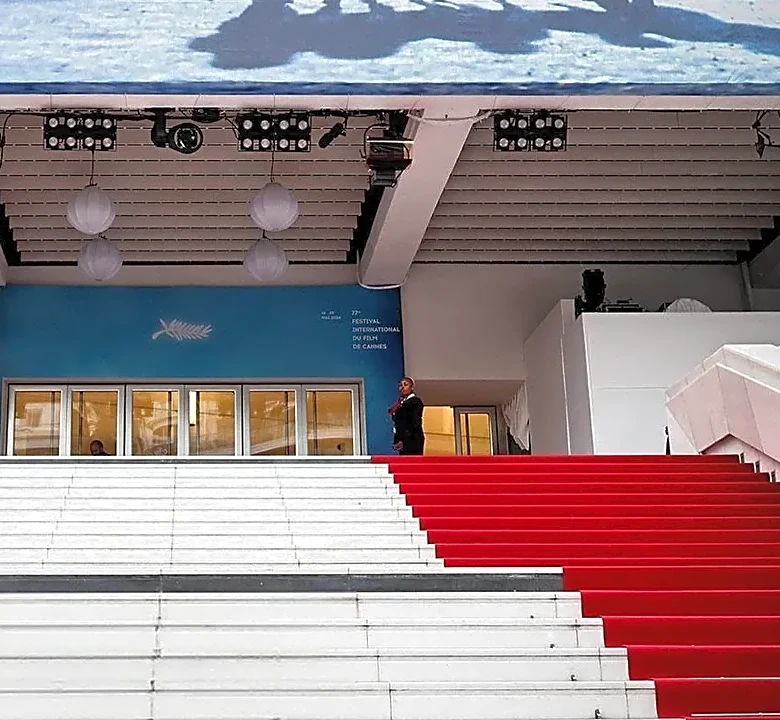
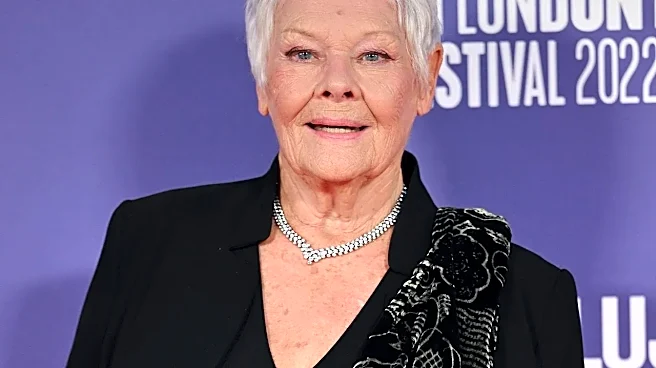
What makes the London Film Festival's evolution so successful is its ability to be two things at once. It has managed to become a vital industry hub without losing its soul as a public festival. Unlike the hyper-exclusive, industry-dominated feel of Cannes, LFF maintains a strong connection to its audience. The structure now serves both masters: glamorous red-carpet premieres and public screenings coexist with closed-door financing meetings and talent labs. Panels with top-tier directors like Danny Boyle are held alongside showcases for emerging writers. This hybrid model allows the festival to punch above its weight, creating a unique environment where the public's passion for film and the industry's business needs can fuel each other.