



First Off, Is It Real Gold?
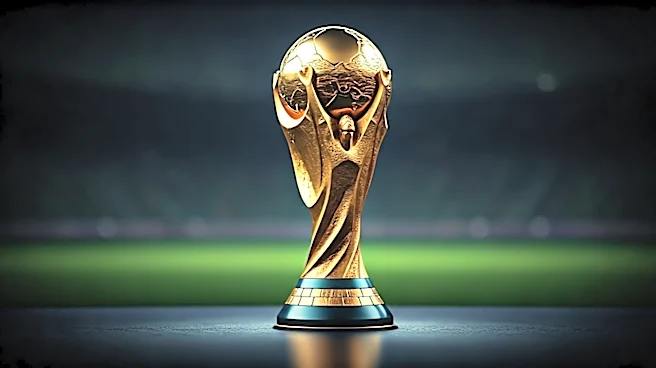
Let’s get the big question out of the way: Yes, it is very, very real. The FIFA World Cup Trophy isn't some gold-plated cup you could win at a local tournament. It is made of 18-karat solid gold and weighs a substantial 13.6 pounds (or 6.1 kilograms). The base consists of two layers of malachite, a deep green semi-precious stone. Designed by Italian artist Silvio Gazzaniga in 1971, it depicts two human figures holding up the Earth. While its cultural value is considered priceless, its raw material worth alone is estimated to be over $250,000, making it one of the most expensive sporting trophies on the planet. It stands as a shimmering, heavyweight symbol of global supremacy.
The Extremely Strict 'No Touching' Rule
Here’s where it gets weirdly exclusive. You can be one of the greatest
players in the world, a billionaire team owner, or a high-ranking politician, but you are generally forbidden from touching the trophy. According to FIFA's long-standing tradition, only a very select group of people can handle it: the players on the winning team, former champions, and heads of state. That’s it. This rule adds to its mystique, turning it from a mere prize into a sacred object. When you see photos of celebrities or officials posing near it, they are almost always standing beside it on its plinth, respecting the invisible forcefield of prestige that surrounds it.
So Winners Don't Keep It?
This is one of the biggest misconceptions in sports. When a team like Argentina wins and Lionel Messi triumphantly hoists the trophy, they are holding the one-and-only solid gold original. They get to celebrate with it on the field, parade it in the locker room, and take it on the flight home. But their time with the real deal is short-lived. After the initial celebrations, FIFA takes the original trophy back to its headquarters in Zurich, Switzerland. In its place, the winning nation’s football association is given a permanent replacement: the FIFA World Cup Winner's Trophy. This replica is made of bronze but is gold-plated, looking nearly identical to the original. The names of every winning country since 1974 are engraved on a plate at the base of the authentic trophy.
The Wild Story of the First Trophy
Before the current trophy, there was the Jules Rimet Trophy. Named after the FIFA president who pioneered the tournament, it was the original prize. The rule was that the first nation to win the World Cup three times would get to keep it permanently. In 1970, Brazil did just that. The trophy, a depiction of Nike, the Greek goddess of victory, was proudly displayed at the Brazilian Football Confederation headquarters in Rio de Janeiro. But in 1983, it was stolen. Thieves broke into the building, pried open the bulletproof glass case, and vanished with the trophy. Unlike a previous theft in England in 1966 (when it was famously found by a dog named Pickles), this time it was never seen again. It's widely believed the thieves melted it down for its gold, a tragic end for a piece of sporting history.