






The Initial Scramble: Damage Control
The first moments after a player is sent off are a whirlwind of reorganization. The coach immediately assesses the situation: the score, the time remaining, and which player was lost. The near-universal first step is to sacrifice an attacking player for
defensive stability. If a team playing a standard 4-4-1 formation (four defenders, four midfielders, two forwards) loses a player, the coach will almost always substitute one of the forwards. The team then shifts into a 4-4-1 formation. This leaves a lone striker up top, isolates them, and drastically changes the team's offensive potential, but it's a necessary evil. The priority is not to concede a goal immediately while the team is still reeling. If the goalkeeper is the one sent off, the situation is even more dire, forcing a team to use a substitution to bring on a backup keeper and sacrifice an outfield player.
Building the Fortress: The Defensive Shell
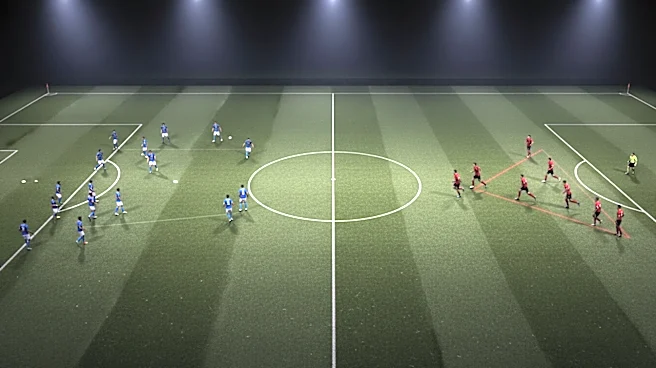
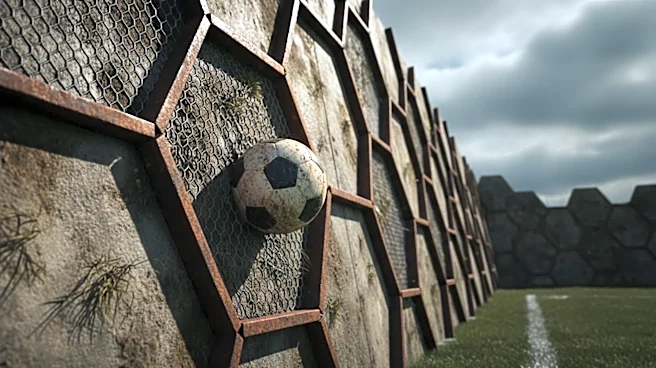
With one fewer player, defending with the same strategy is impossible. The primary adjustment is to become more compact and narrow the field. The team will typically drop deeper, closer to their own goal, in what's often called a "low block." The goal is to reduce the space the opposition has to play in, forcing them into wide areas where crosses are less dangerous than a direct run through the middle. Gaps between defenders and midfielders shrink, and the team moves as a single, connected unit to shuffle from side to side. Formations like the 5-3-1 or a very compact 4-4-1 become common. This tactic cedes possession of the ball but prioritizes defensive shape and frustrating the opponent. It's a game of patience and discipline, designed to make the numerically superior team work extremely hard for any clear scoring opportunity.
The Art of the Counter: Offensive Gambles
Playing a man down doesn't mean a team gives up on scoring entirely. It just means offense becomes a game of opportunism. The main weapon is the counter-attack. By sitting in a deep defensive shell, the short-handed team invites the opponent to push more players forward. This can leave vast spaces behind the attacking team's defense. A quick turnover of possession becomes the trigger. The defending team will look for a swift, direct pass to their lone, often very fast, striker. This forward's job is to hold the ball up until support arrives or to use their speed to get into a one-on-one situation. Every attack has to be ruthlessly efficient. There are no long, drawn-out passing sequences; just lightning-fast breaks designed to catch the opponent off-balance. It's a high-risk, high-reward strategy that relies on pace and clinical finishing.
Endurance and Discipline: The Mental Game
Beyond tactics, playing with fewer players is a grueling physical and psychological test. Each remaining player must cover more ground, leading to quicker fatigue. Studies have shown that receiving a red card can significantly increase anxiety and perceived pressure among players. Maintaining discipline is paramount; another foul could lead to a second sending-off, an almost impossible situation to recover from. The psychological effect on the opponent is also a factor. Teams with a numerical advantage can become complacent, while the team that is down a player often finds a renewed sense of unity and determination, spurred on by a feeling of injustice or an "us against the world" mentality. The ability to stay focused and control emotions is often what separates a heroic draw from a complete collapse.