

The Instant Audience
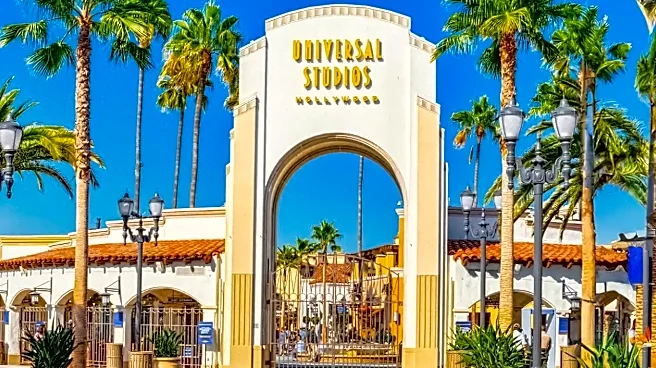
There’s a powerful business reason why intellectual properties (IPs) are staples at Universal's premier haunt event: they sell tickets. An attraction based on Stranger Things, The Last of Us, or a classic horror franchise like The Exorcist arrives with
a massive, emotionally invested fanbase. This built-in audience reduces marketing hurdles and creates an immediate draw. Fans aren't just coming for a haunted house; they're coming to step inside a world they already know and love. The promise is simple and potent: you get to live the movie. This connection fosters brand loyalty and drives merchandise sales, extending the guest experience and revenue opportunities well beyond the maze itself. For many attendees, the chance to walk through the Byers' living room or flee a Clicker is the main event, a pilgrimage for pop culture devotees.
The 'Book Report' Problem
However, that familiarity comes with a creative cost. When adapting a licensed property, designers are often bound to recreate specific scenes, characters, and moments to meet the expectations of both the fans and the IP holders. This can sometimes lead to what fans call a "book report" house—a faithful but predictable highlight reel of the source material. The experience can feel more like a museum tour of famous scenes rather than an immersive, terrifying narrative you are a part of. The creative team's primary challenge becomes authenticity, ensuring every detail is correct. This leaves little room for the kind of narrative invention or surprising scares that define the event's best original work. According to some scareactors, the performance within IP houses can also be more restrictive, with less freedom for improvisation.
Finding Freedom Within the Box
But creative constraints don't always stifle creativity; sometimes they focus it. The most successful IP houses find clever ways to innovate within the established framework. Creative Director John Murdy has spoken about the challenge of adapting psychological horror like The Shining, where the team had to invent "connective tissue" to translate the film's non-linear dread into a physical walkthrough. Rather than just replaying scenes, the best adaptations might expand on a moment, explore a location only glimpsed in the film, or use sensory details—sound, smell, temperature—to evoke the movie's atmosphere in a new way. A great IP house makes you feel like you've discovered a lost scene or a deeper layer of the story, transforming a passive viewing experience into an active, and often terrifying, one.
The Enduring Power of the Original Idea
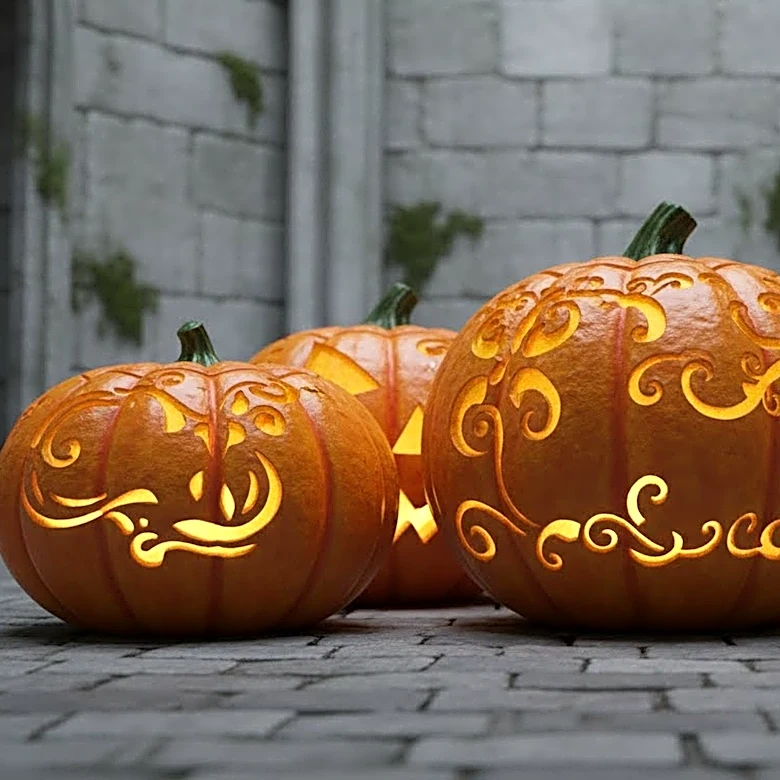
The conversation around licensed houses always leads back to the enduring appeal of Halloween Horror Nights' original concepts. Houses like Dead Man's Pier: Winter's Wake or Wicked Growth: Realm of the Pumpkin have become legendary among fans, celebrated for their unique storytelling and breathtaking originality. These houses don't rely on pre-existing hype. Instead, they build their own worlds from scratch, and in doing so, often create the most memorable and innovative scares. Icons like Jack the Clown, The Storyteller, and Dr. Oddfellow began as original characters and have since become their own beloved—and marketable—HHN-specific IP. They are a powerful reminder that while familiar franchises draw crowds, the creative soul of the event often shines brightest when it steps into the unknown. For many devoted fans, the ideal event strikes a balance, offering a mix of both blockbuster IPs and bold new nightmares.