

The Folk Messiah
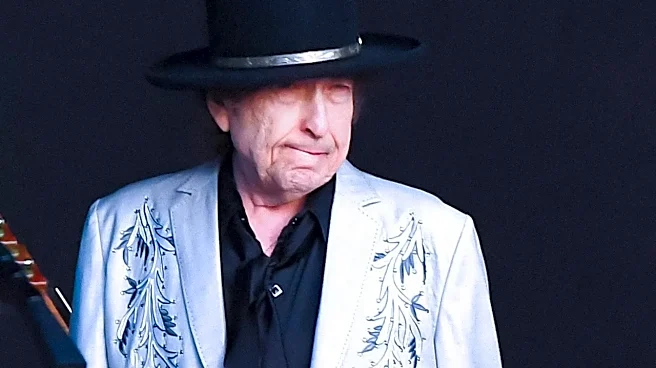
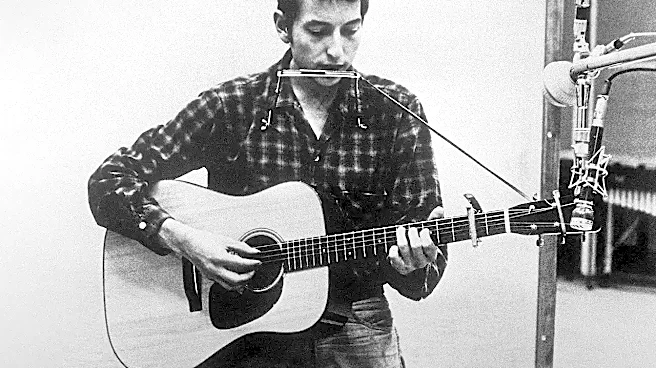
By the summer of 1965, Bob Dylan was more than a musician; he was a prophet in denim. Crowned the prince of the folk revival, his acoustic guitar and harmonica were the weapons of a generation. At Newport in '63 and '64, the audience saw him as their
own, with one organizer introducing him by saying, "Take him, you know him, he's yours." He was the voice of protest, the poet of authenticity, and the undisputed king of a movement defined by its acoustic purity. His early albums were the hymnals of the era, filled with anthems that felt both timeless and urgent. The stage at Newport was his high altar, and the crowd of folk purists were his most devout followers.
The Shot Heard 'Round the Folk World
On Sunday, July 25, 1965, that devotion was shattered. Instead of his usual acoustic setup, Dylan walked on stage in a leather jacket, backed by the Paul Butterfield Blues Band, and strapped on a sunburst Fender Stratocaster. He launched into a snarling, amplified version of "Maggie's Farm." The set was short, loud, and for the folk faithful, an act of profound betrayal. A wave of boos, shouts, and jeers erupted from the crowd, though debate has raged for decades over whether they were booing the electric sound, the poor audio mix that drowned out Dylan's vocals, or the sheer shock of their hero's perceived sellout. After just three songs, Dylan and his band walked off, leaving a stunned and divided audience in their wake.
The Myth and the Fallout
The fallout was immediate and legendary. Folk icon Pete Seeger, one of the festival's founders, was rumored to have been so incensed he wanted to cut the cables with an ax. Fans felt abandoned. This wasn't just a change in instrumentation; it was a cultural earthquake. Dylan had rejected the very movement that had anointed him. Yet in doing so, he created one of the most foundational myths in rock and roll history. The moment he plugged in, he drew a line in the sand between the earnest, rigid past of the folk revival and the rebellious, amplified future of rock. He wasn't just their spokesman anymore; he was his own artist, whether they liked it or not.
The Lesson Learned
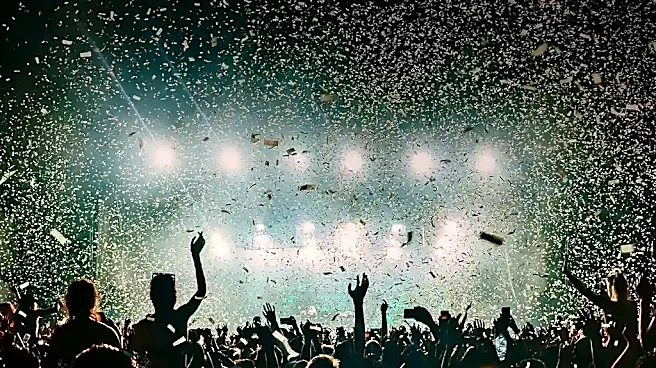
For any other event, such a divisive moment could have been a death sentence. But for Newport, it became a defining ethos. The Dylan incident didn't teach organizers to play it safe and enforce genre purity. It taught them the opposite. The lesson Newport carried forward was that the most electrifying moments come from shattering expectations. The festival's enduring magic lies in that chaos. Under the leadership of executive producer Jay Sweet, this philosophy is now explicit. The festival sells out in minutes, often before a single name is announced, because attendees have bought into the idea that anything can happen. They trust the curation to deliver the unexpected.
The Spirit of '65 Lives On
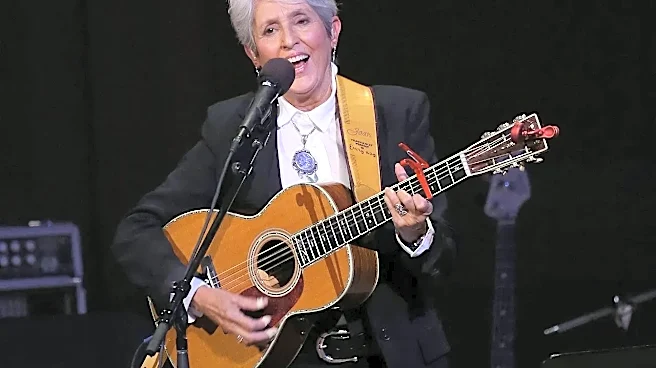
Today, the spirit of Dylan's disruptive performance is the main event. It’s seen in the constant, unannounced collaborations and surprise sets that have become Newport’s signature. It was there when Dolly Parton made a secret appearance with The Highwomen in 2019. It was there when Paul Simon showed up for a supposed retirement-era set in 2022. And it reached its zenith that same year with the jaw-dropping return of Joni Mitchell, who performed her first full set in two decades in what was billed only as a “Joni Jam.” These aren't just guest spots; they are modern-day reenactments of the 1965 lesson: true folk tradition isn't about preservation, it's about evolution, surprise, and the courage to plug in.